
Category: Products
-

Keysight has expanded its PCIe 7.0 test portfolio with a receiver test application for 128GT/s validation in compute, AI, and data-centre ASIC development.
-
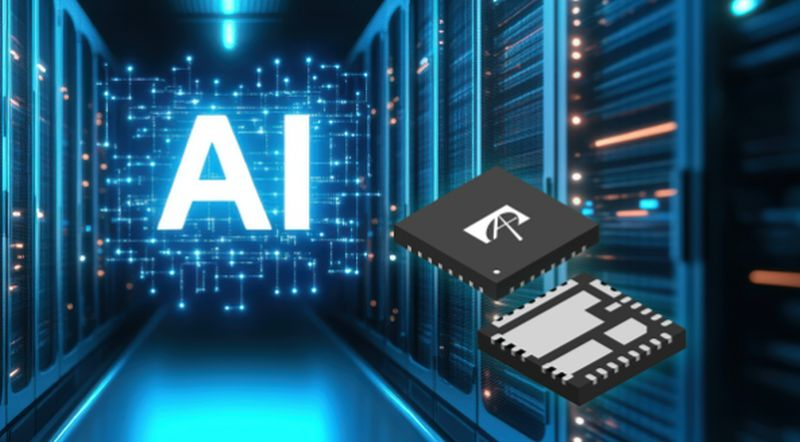
Alpha and Omega Semiconductor has introduced SmartClamp protected DrMOS devices for AI servers and high-end GPUs, integrating current limiting within the power stage.
-
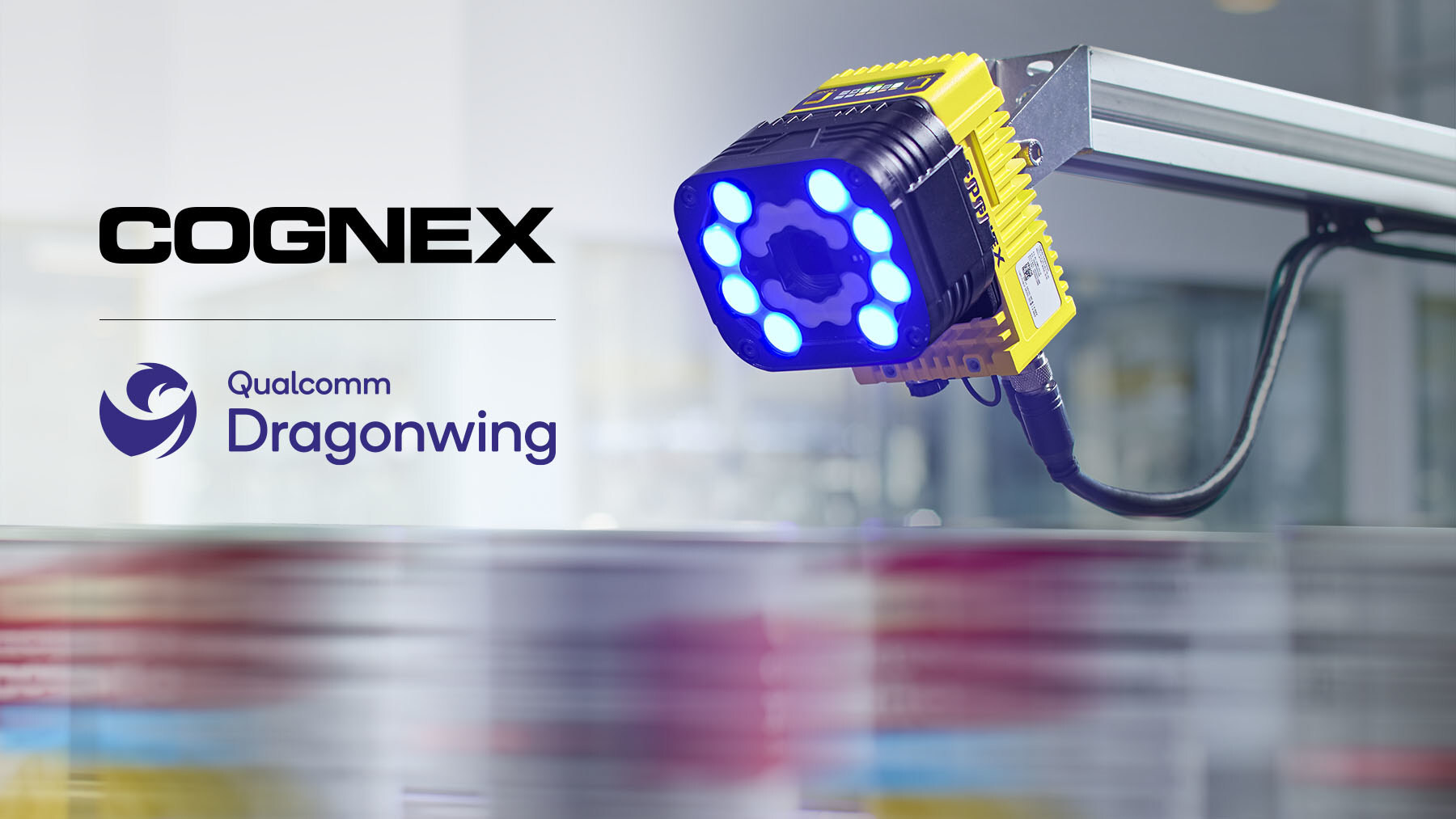
Cognex has launched the In-Sight 3900, an embedded AI machine vision system powered by Qualcomm Dragonwing platforms for high-throughput production-line inspection.
-
Weald Electronics has marked 50 years of UK connector manufacturing, highlighting long-life circular, rectangular, PCB, and accessory products for harsh-environment applications.
-
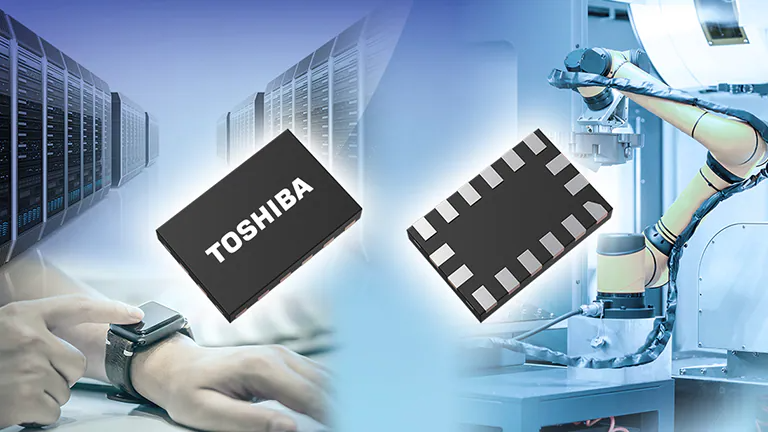
Toshiba has launched high-speed 2:1 multiplexer / 1:2 demultiplexer switches for PCIe 6.0, USB4 v2, CXL, Thunderbolt, and DisplayPort signal routing.
-

Renesas has completed its acquisition of Irida Labs, adding embedded vision AI software for camera and sensor systems across industrial, robotics, infrastructure, healthcare, and IoT applications.
-
Diodes Incorporated has introduced the PI6CG33A06, a six-output PCIe 7.0 clock generator delivering sub-30fs RMS jitter for AI infrastructure, servers, networking equipment, and HPC systems.
-

NXP CoreRide is gaining expanded Vector software support for zonal software-defined vehicle platforms, strengthening embedded stacks, secure update architectures, and real-time system integration.
-
Rambus has introduced PCIe 7.0 Switch IP with time-division multiplexing, targeting scalable AI, cloud, and HPC systems requiring more efficient data movement across compute and storage resources.
-

ifm has introduced a new generation of OGD distance sensors using PMD time-of-flight technology, with millimetre-precision measurement, reflectance output, IO-Link, and detection ranges up to four metres.