
Category: Power supplies
-
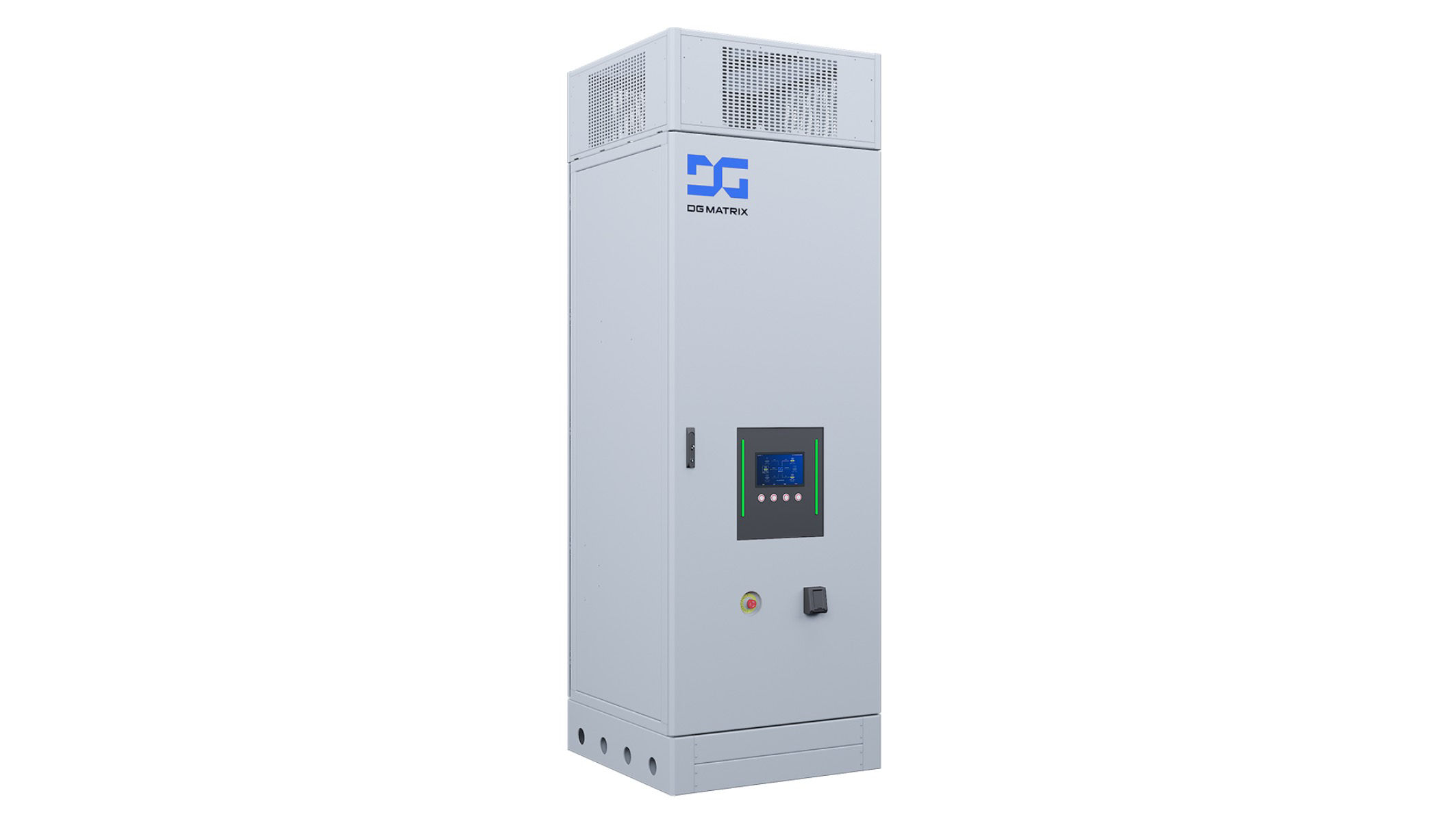
Infineon and DG Matrix are pushing silicon carbide further upstream. Their collaboration puts SiC devices into solid-state transformer platforms aimed at AI data centres and industrial power infrastructure.
-
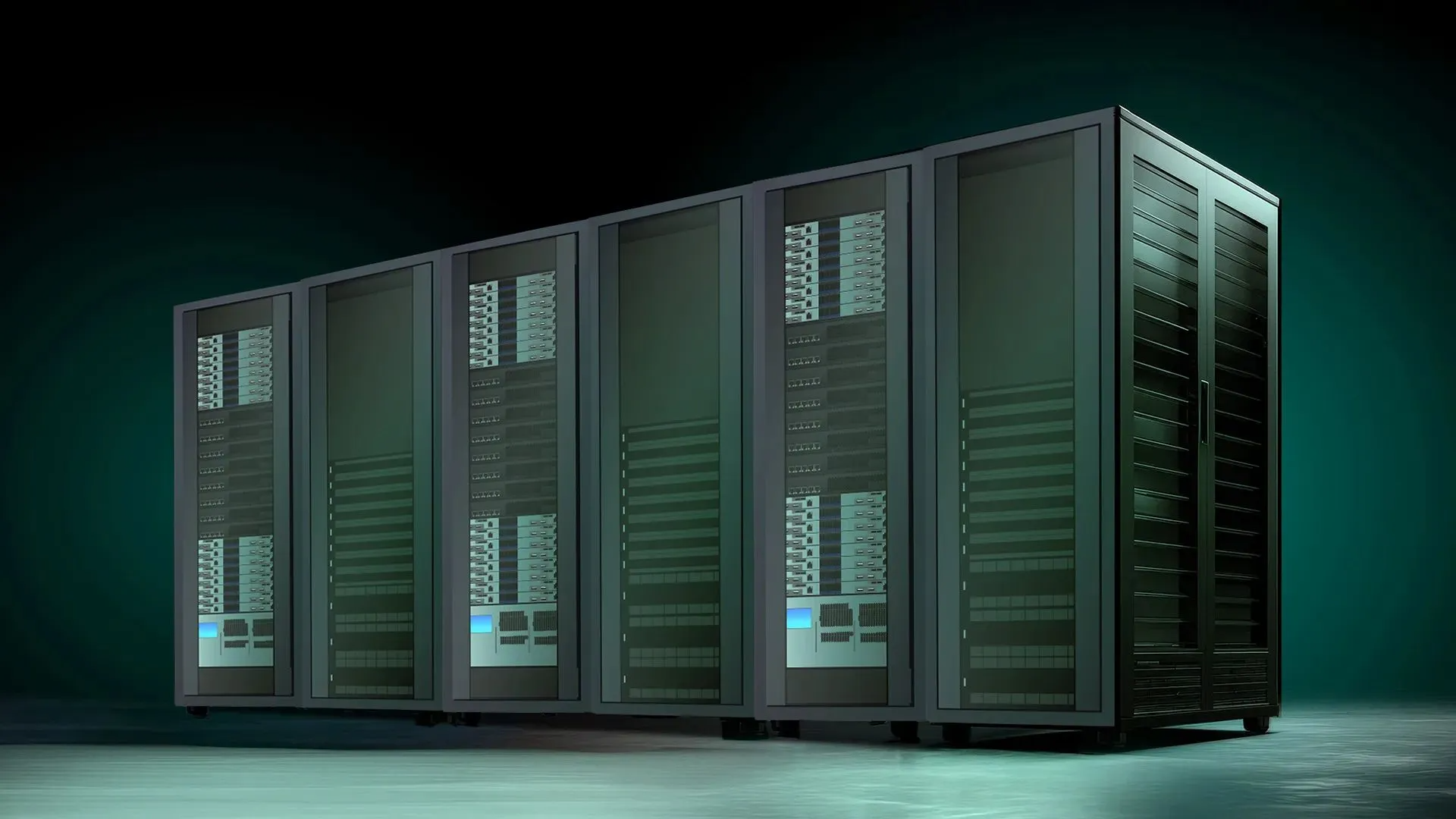
TI is compressing AI rack power delivery into two stages. The architecture tracks NVIDIA’s 800 VDC roadmap and pushes higher density, fewer conversions, and lower copper overhead into the datacentre power chain.
-
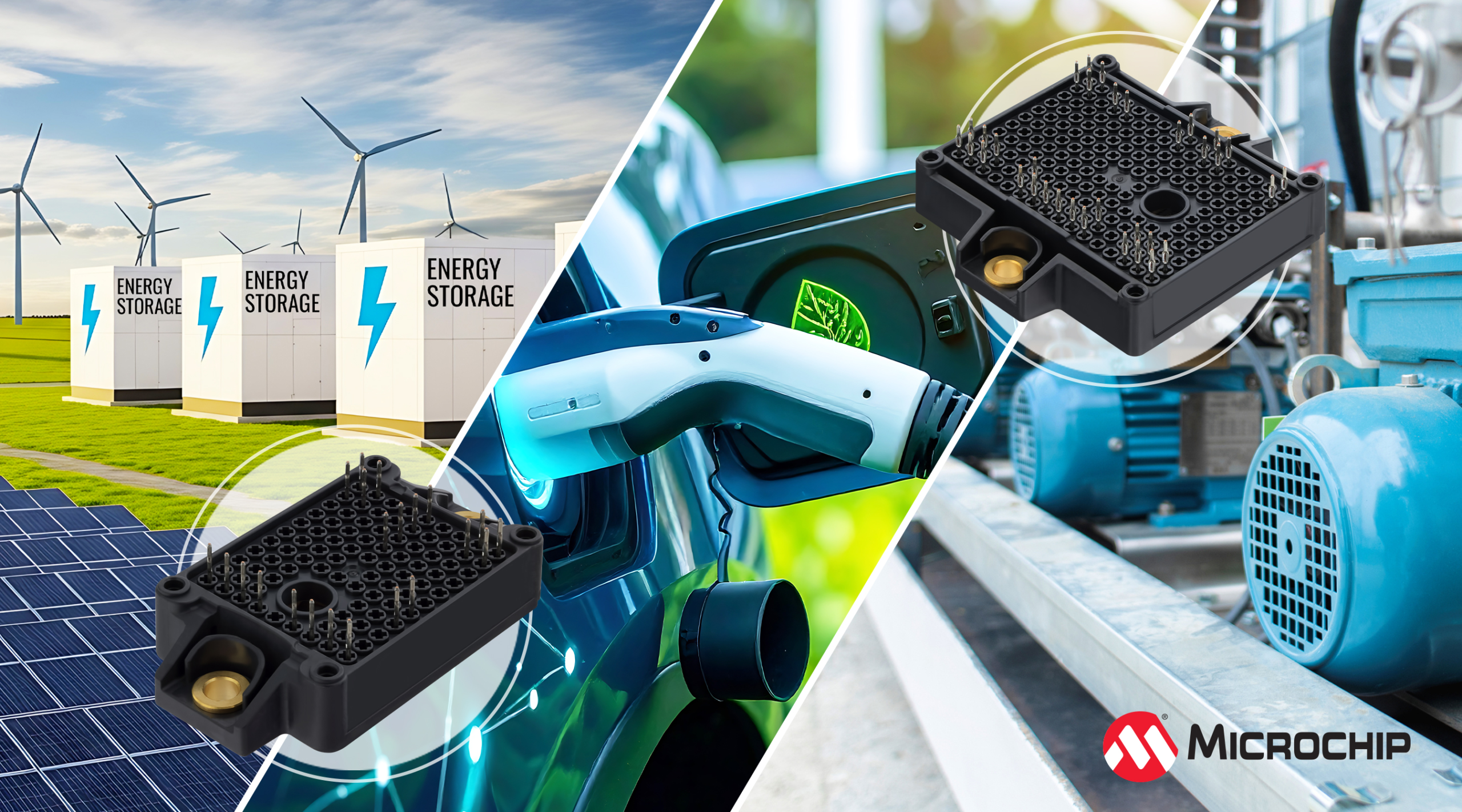
Microchip targets harsher power stages with ruggedised silicon carbide packaging. Its new BZPACK mSiC modules combine HV-H3TRB endurance, broad topology options, and a baseplate-less assembly approach for industrial and renewable energy power-conversion designs.
-
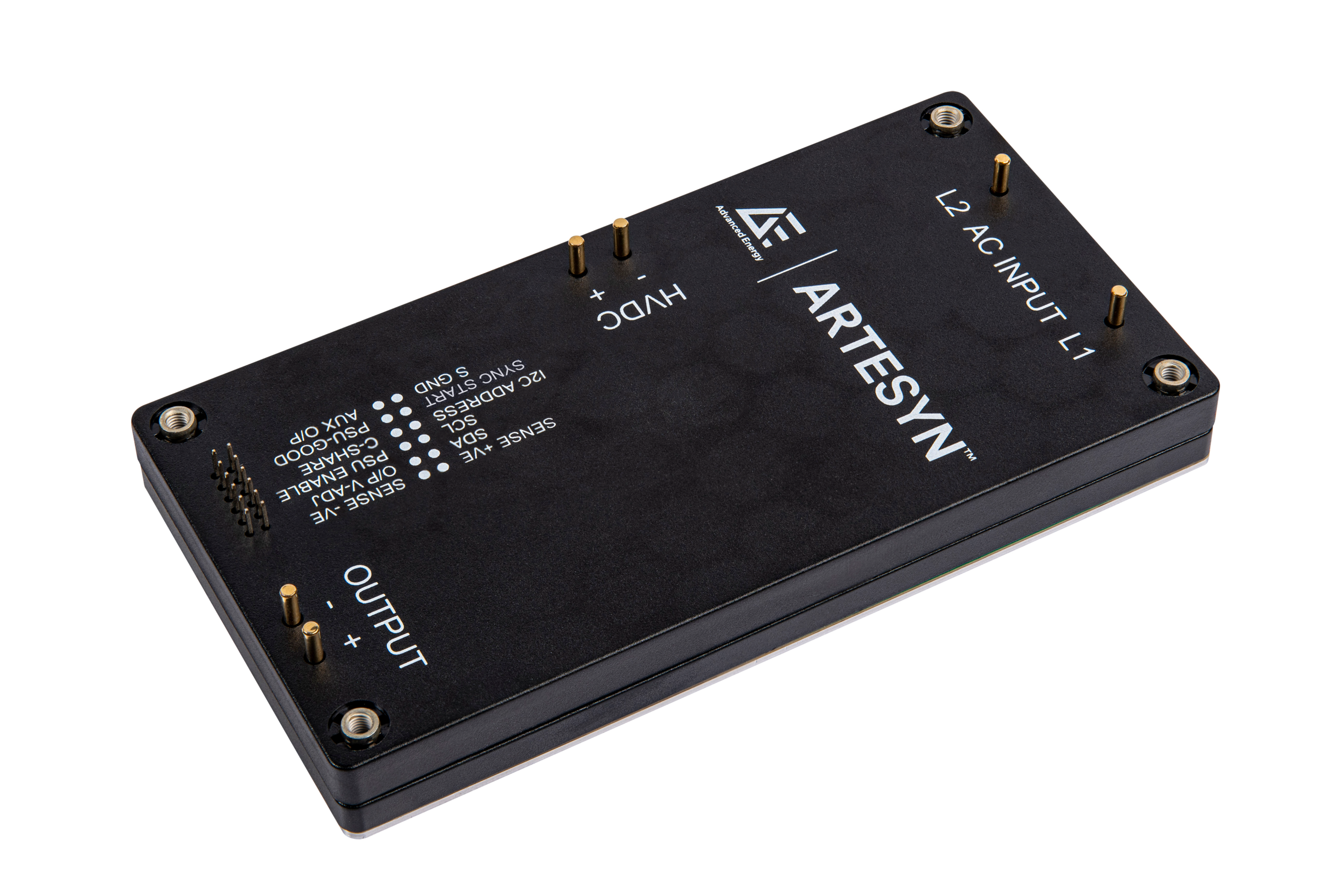
Advanced Energy raises brick power density without changing thermal geometry. The new AIF13WAC lifts output to 600 W in the same full-brick format, adding PMBus control, active current sharing, and an upgrade path for existing 500 W telecom and industrial designs.
-
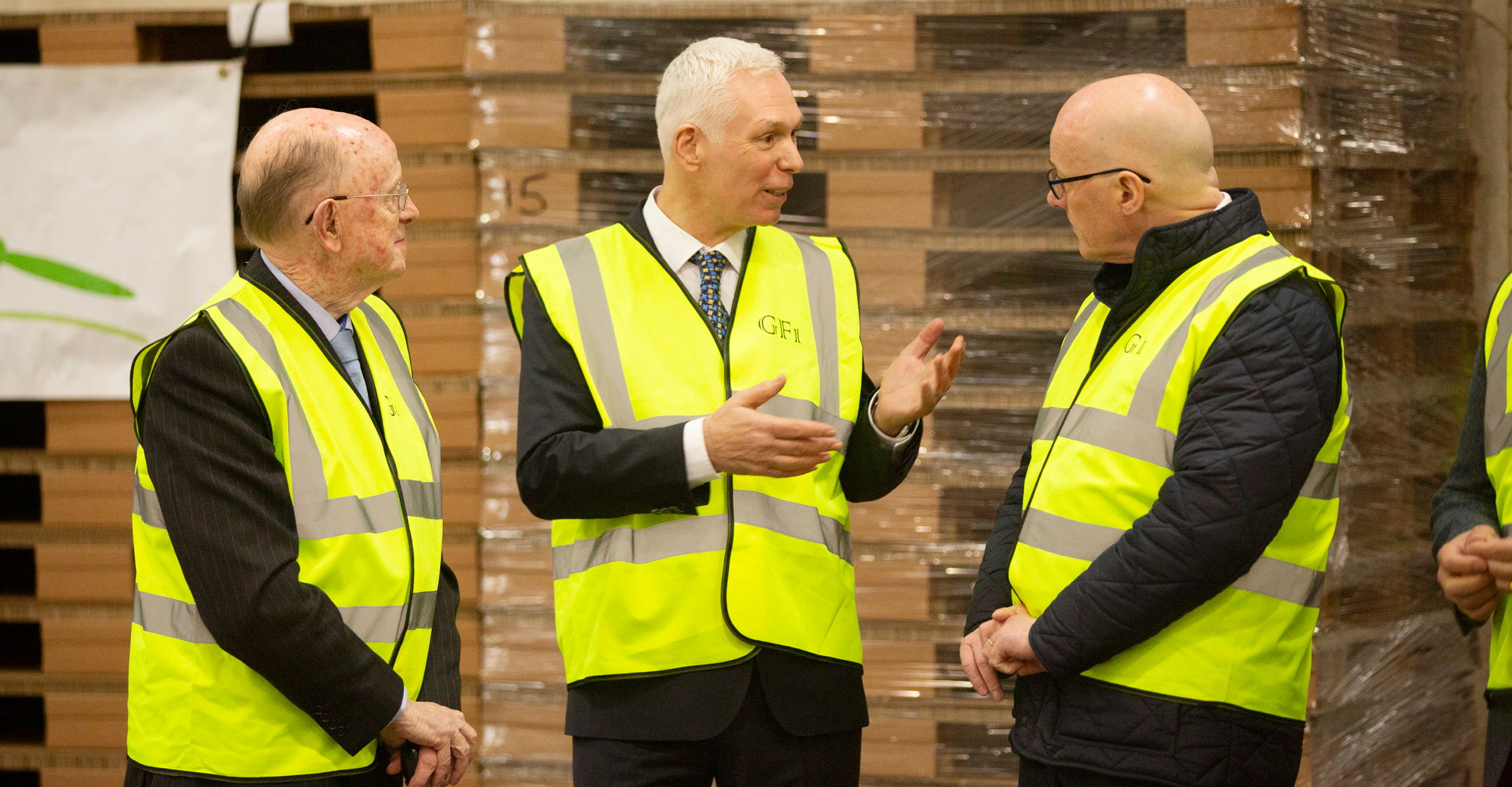
Kight is turning domestic batteries into a scaled manufacturing proposition. Its planned Dumfries plant would assemble AI-managed 10kWh home storage systems built around a non-graphite anode chemistry and an EnergiFlow control stack tuned to tariff, demand, and grid signals.
-

ROHM is turning SiC module evaluation into reusable inverter platforms. Three new reference designs package board-level design data around its latest modules across industrial and automotive power-conversion applications.
-
ABLIC is widening its analogue strategy in Europe and the US. The move centres on battery protection, automotive power, Hall sensing, medical ultrasound electronics, and batteryless water leak detection.
-
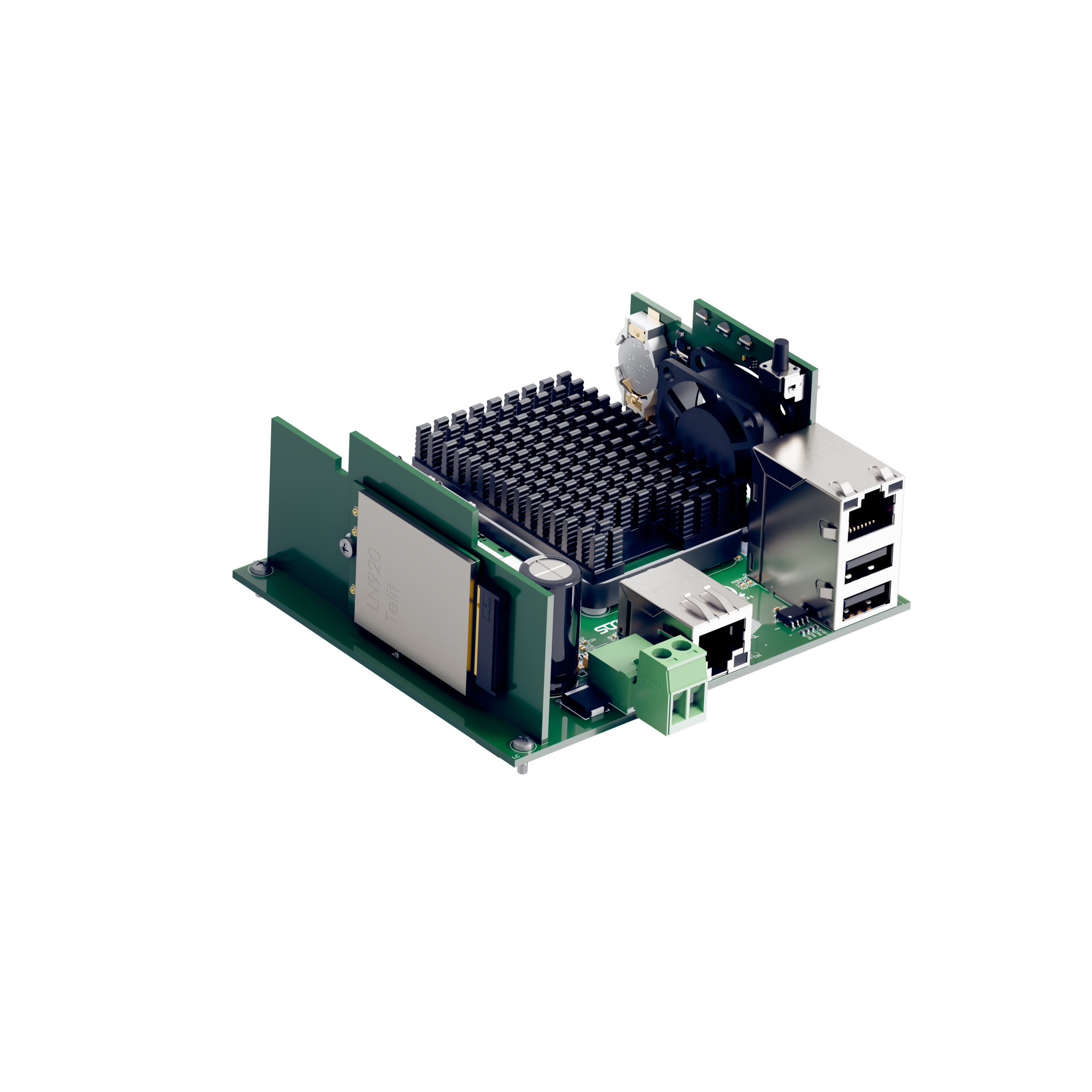
Advanced Energy is targeting tighter mechanical envelopes in medical electronics. Its new 200W LPP200 open-frame series combines a 19mm profile with medical and industrial approvals for compact embedded systems.
-
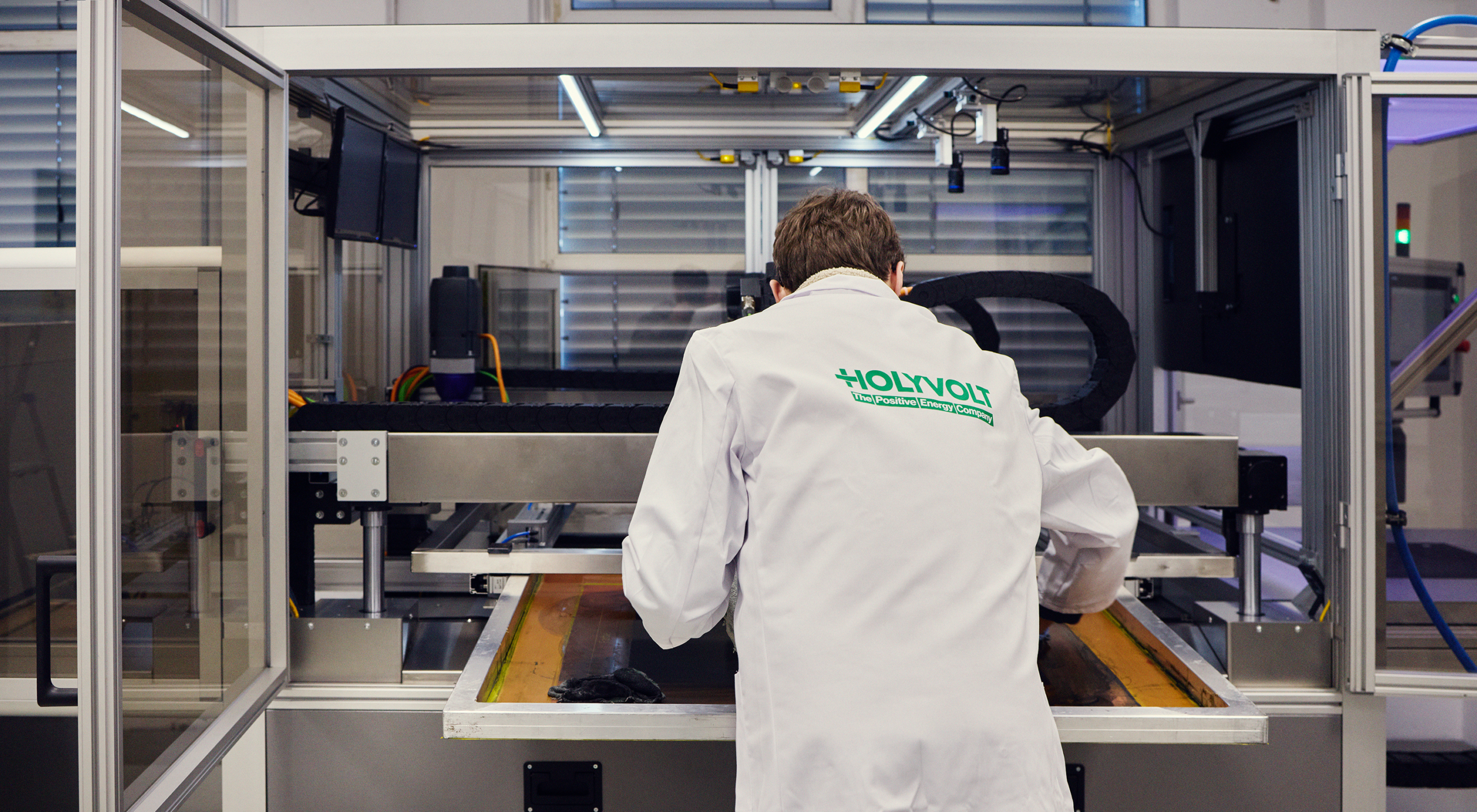
Holyvolt has bought Wildcat to speed battery chemistry to scale. The $73m deal ties high-throughput materials discovery to screen-printed, water-based manufacturing aimed at faster pilot production and lower-cost industrialisation in Europe and North America.
-
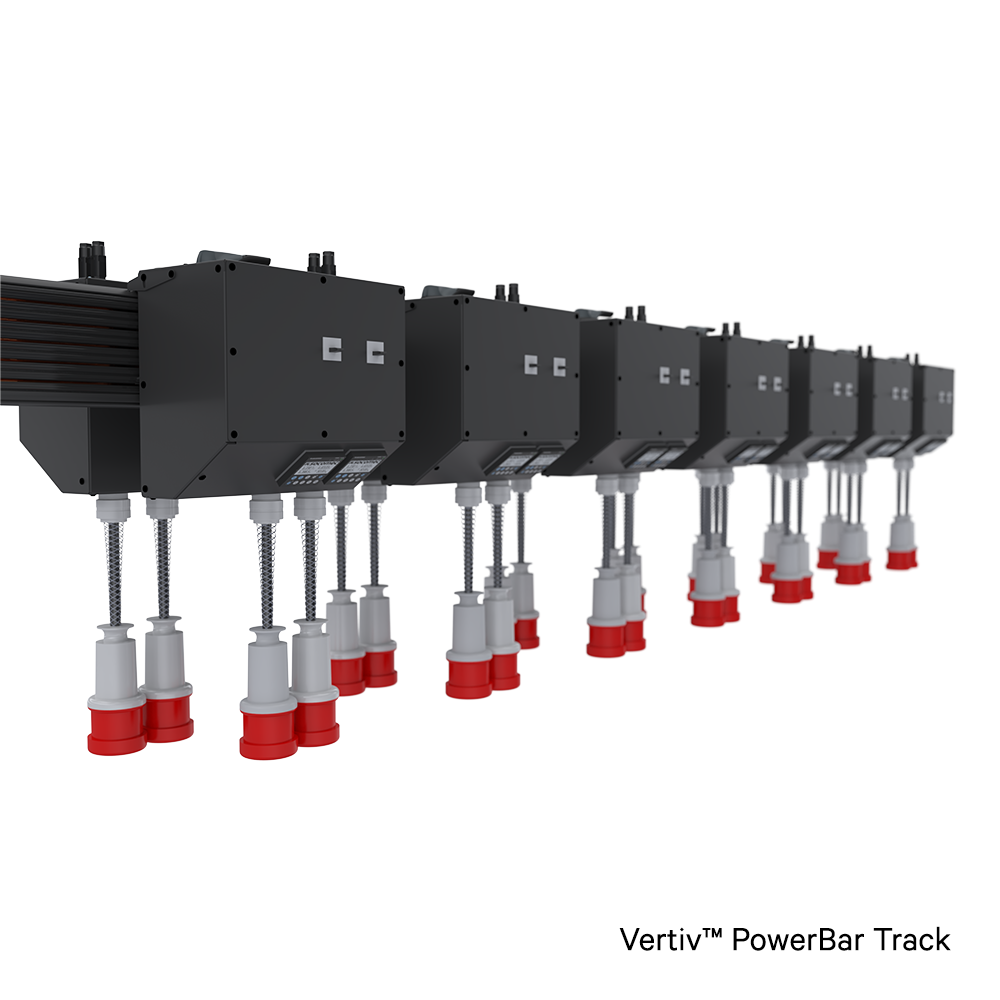
Vertiv has launched a double-stack busway for AI data centres. The PowerBar Track update is built to raise overhead distribution capacity while preserving white space, with live reconfiguration, optional metering, and safety interlocks aimed at fast-changing colocation and hyperscale deployments.