
Category: Design engineering
-
Keysight will manage Leonardo UK test equipment for five years. The agreement covers calibration, repair, digital asset management, and lifecycle support across UK sites.
-
CGD and NXP are collaborating on GaN power-conversion system designs. The work targets data-centre, automotive, and industrial designs needing higher efficiency and density.
-
CSA Catapult will become the UK’s Semiconductor Catapult this summer. The transition broadens support for chip R&D, validation, commercialisation, and AI hardware deployment.
-
Zollner has expanded its Zandt headquarters with new capacity. The building adds high-precision mechanics, cleaning, coating, and defence-related manufacturing capability.
-
Celera has acquired SiliconGate to expand analogue IC design capability. The deal adds Portuguese power-management expertise, silicon-proven IP, and design capacity for custom semiconductor development.
-

Microchip has updated TimePictra for resilient critical infrastructure synchronisation management.
-
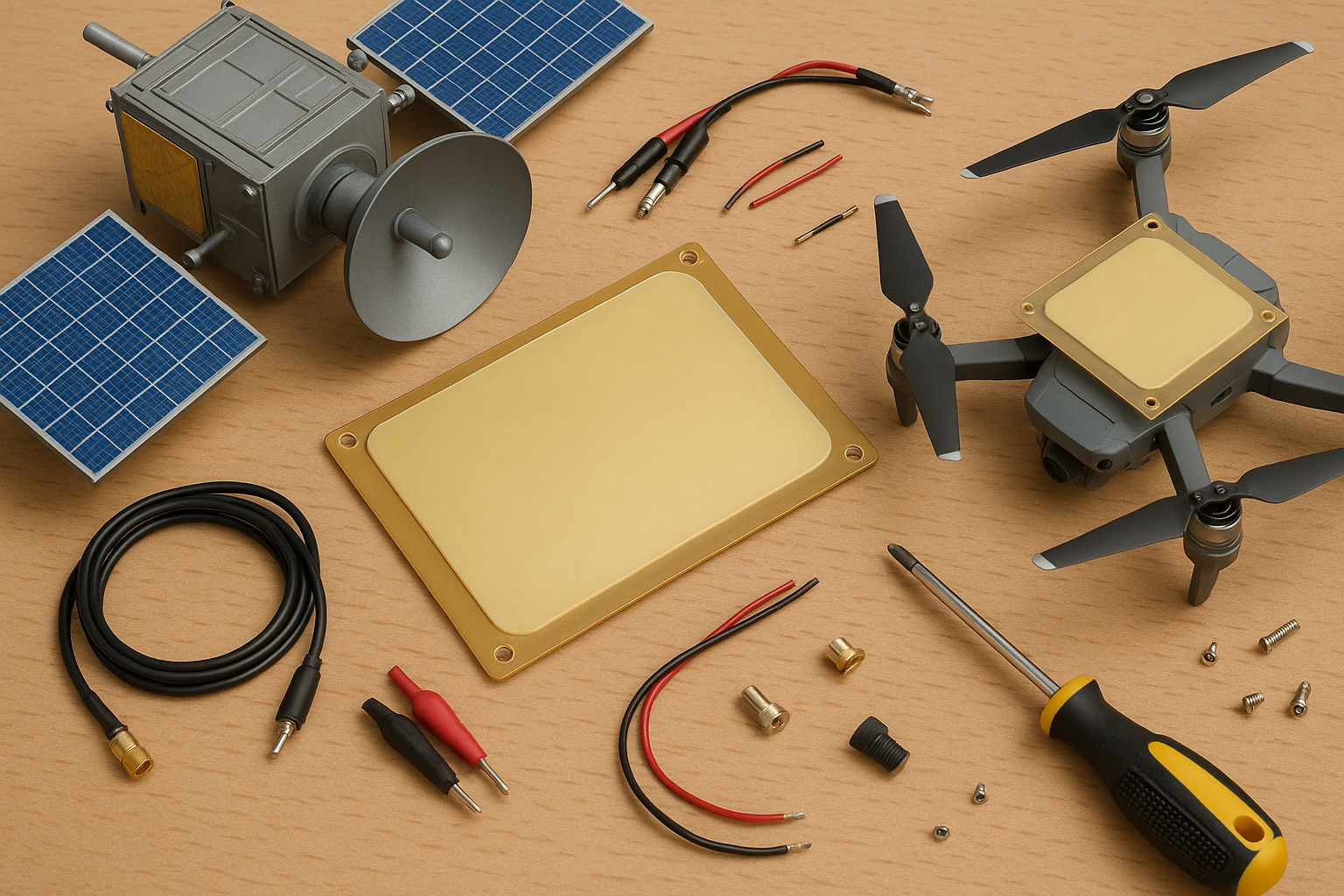
Blueshift is presenting PhaseBlue circuit material for RF PCB designs.
-

QPT has launched qDesign for AI-optimised power module packaging workflows.
-
ODU has supplied mass interconnects for automated DEIF converter testing.
-
onsemi has launched a SiC pairing tool for power designers.