
Category: Embedded systems
-

Valeo and Anritsu have expanded virtual connectivity testing for vehicles. Their combined digital twin environment adds eCall scenarios to simulated cellular networks and virtual electronic control units.
-

VIAVI introduces programmable navigation hardware combining inertial sensors and AI. Its INS-NV platform integrates NVIDIA processing, GNSS reception and interfaces for external aiding sensors, allowing developers to evaluate alternative navigation methods.
-
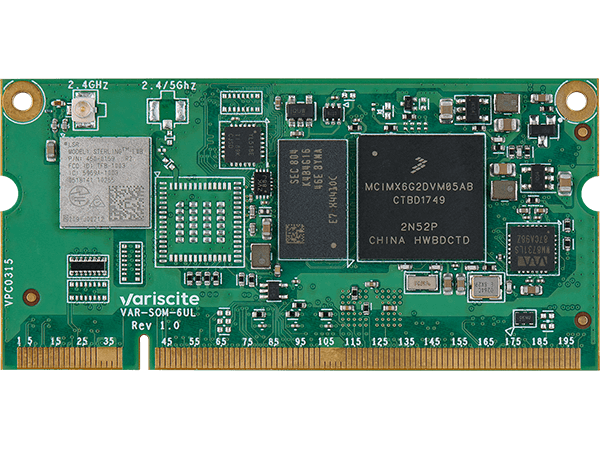
Variscite and SecEdge now support firmware TPM on embedded modules. SEC-TPM runs in a protected environment on supported NXP i.MX processors, allowing security functions without a separate TPM chip.
-
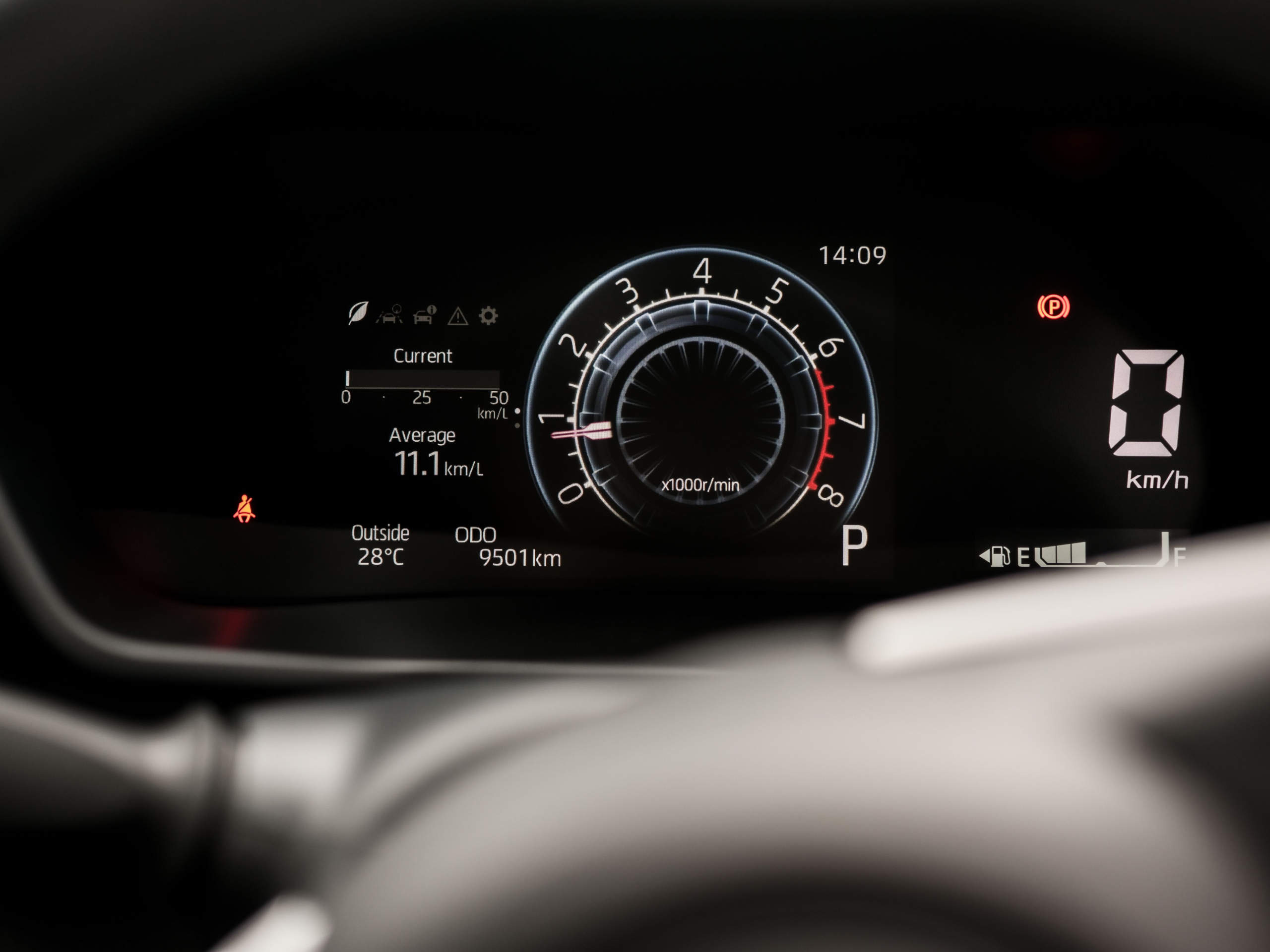
Automotive developers report substantial effort spent integrating foundational software systems. A QNX-commissioned survey of 1,100 developers finds that integration absorbs an average 35% of their reported working time.
-

TASKING has unified development tools for NXP automotive microcontroller software. The S32K5 environment combines compilation, debugging and verification, with AUTOSAR driver support and safety-related tool qualification.
-
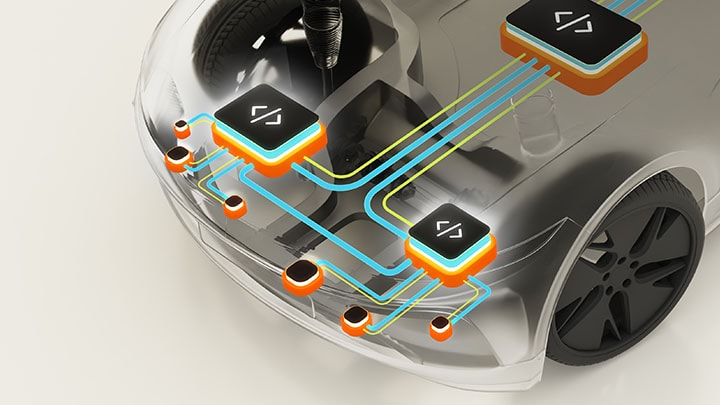
Volkswagen has selected NXP microcontrollers for its future zonal architecture. The S32K5 family will underpin controllers connecting local vehicle functions with central computers, with the first application planned for 2027.
-

ByteSnap finds AI increasing verification demands across UK electronics teams. Its survey of 281 professionals also identifies persistent hardware and firmware integration problems, despite reported efficiency gains.
-
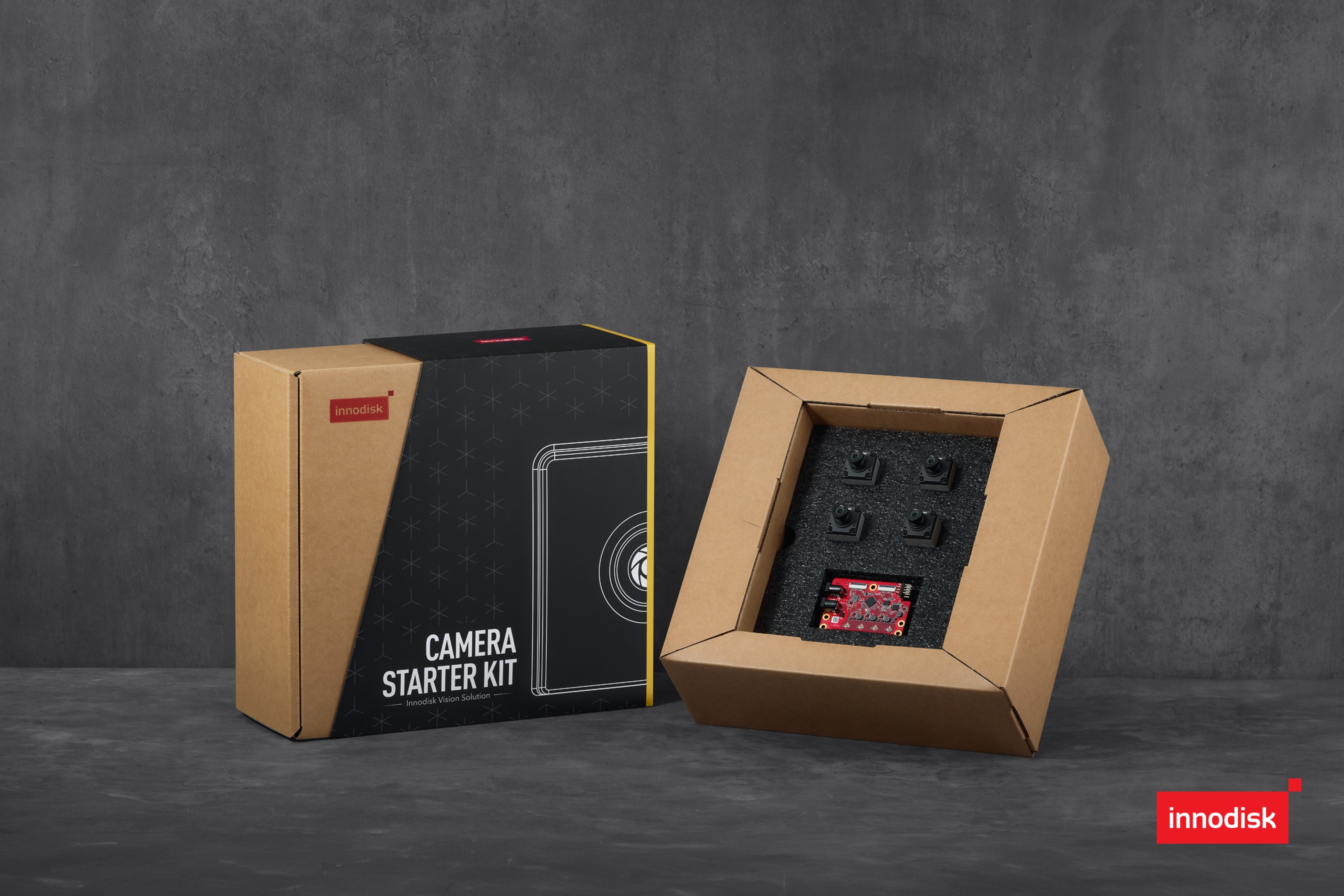
Innodisk has packaged four cameras for embedded vision system development. The GMSL2 starter kit includes fixed-focus modules, a capture card, one-metre FAKRA cables, and driver source code for a supported NVIDIA platform.
-
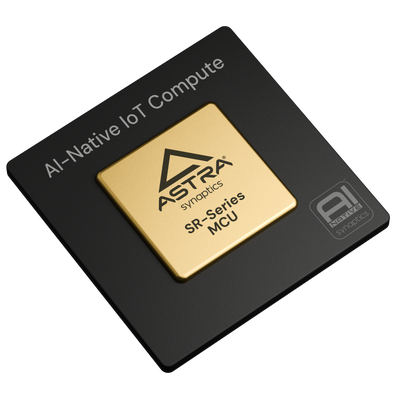
Synaptics has introduced three processors combining embedded control and AI. The Astra SR200 family pairs Arm Cortex-M85 and Cortex-M52 cores with Coral neural acceleration and integrated memory for multimodal processing at the edge.
-
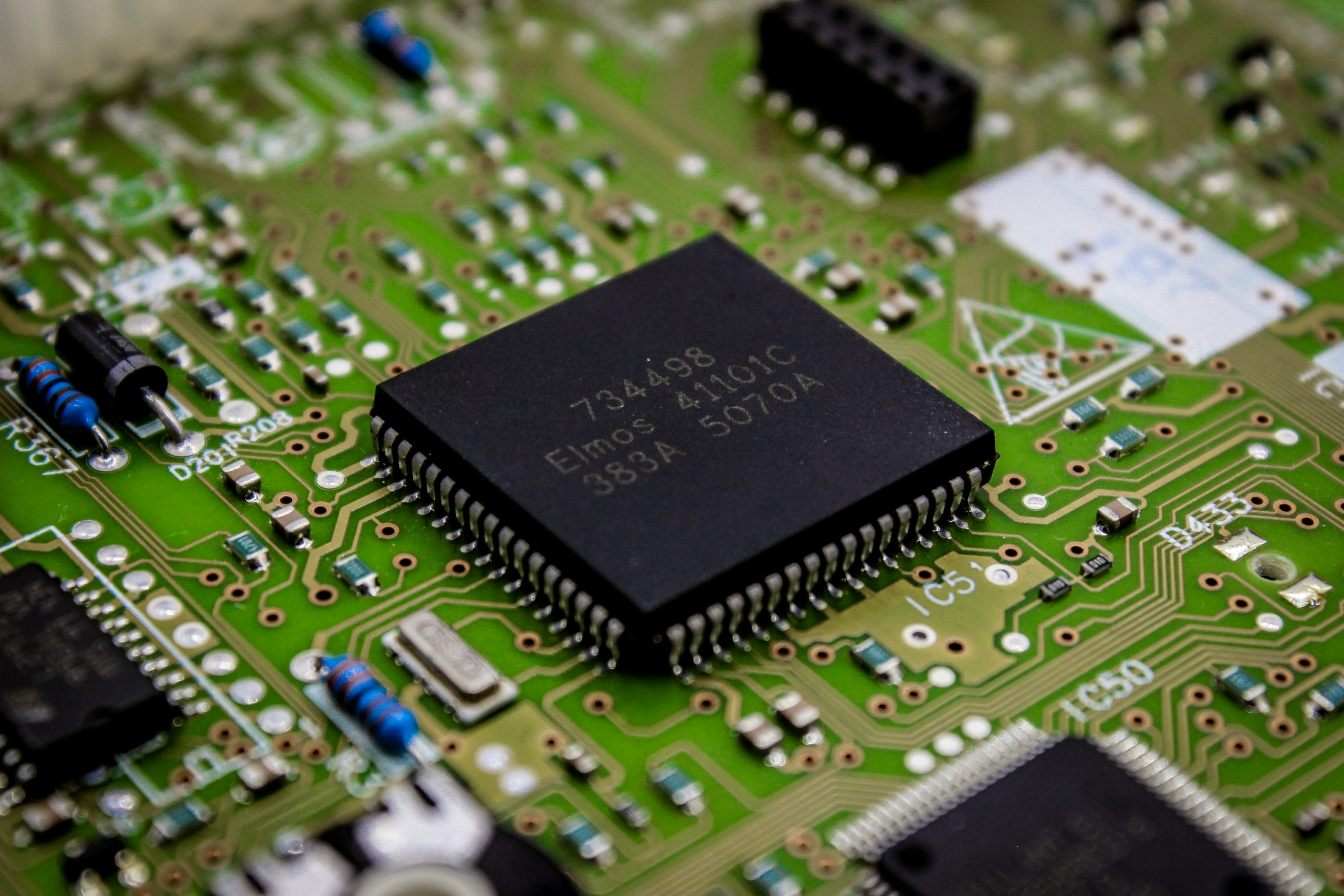
Renesas has introduced two faster industrial microcontrollers with embedded MRAM. The RX74M and RX74N use 22 nm manufacturing, operate at up to 600 MHz, and add security features; RX74M also integrates dedicated EtherCAT and TSN-capable Ethernet hardware.