
Category: Markets
-
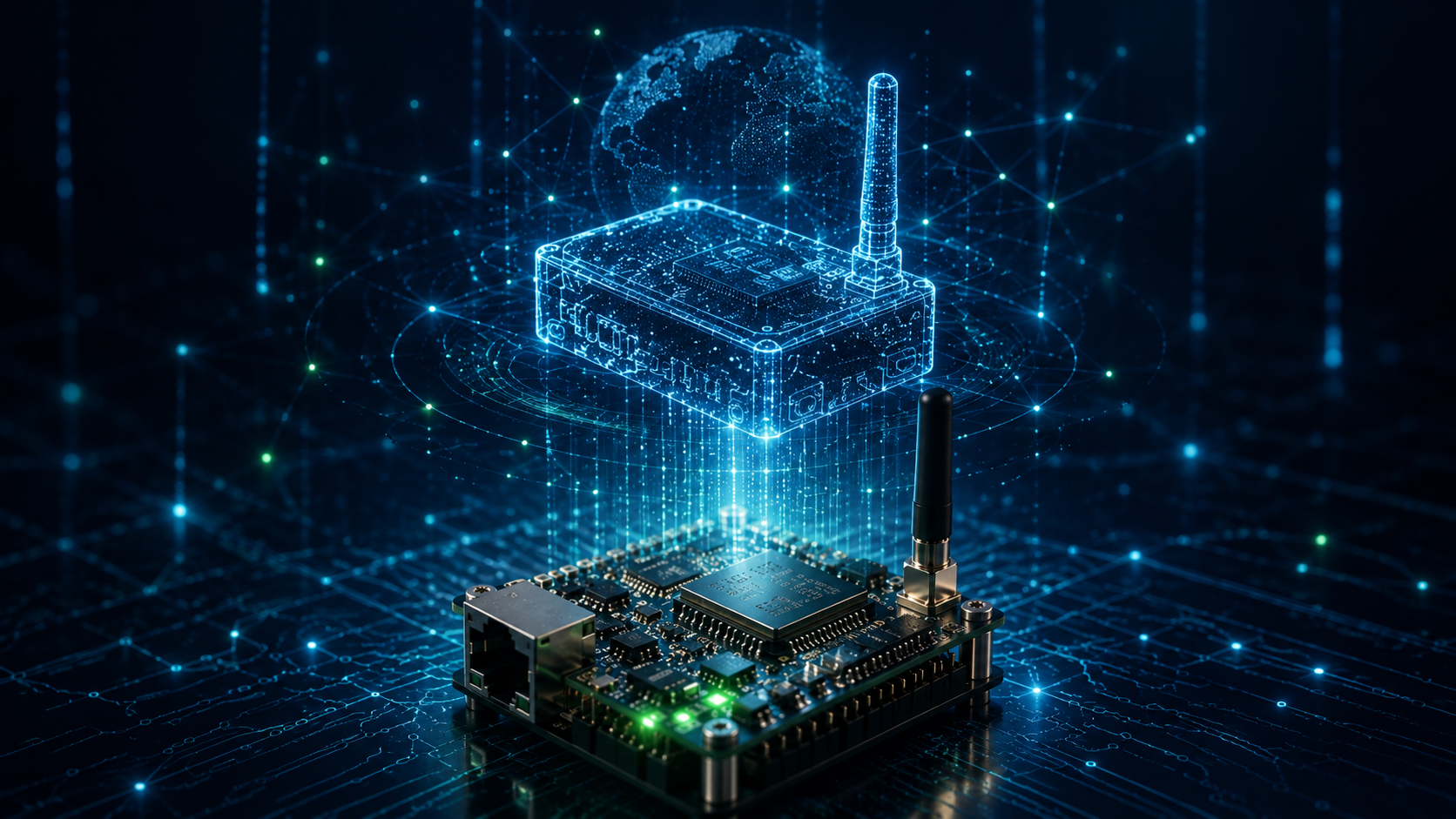
PerkinElmer and Covalent are combining instruments with specialist failure analysis. The collaboration targets ultra-trace contamination, corrosion, solder deterioration, organic degradation, and material failures across semiconductors, electronics, and batteries.
-
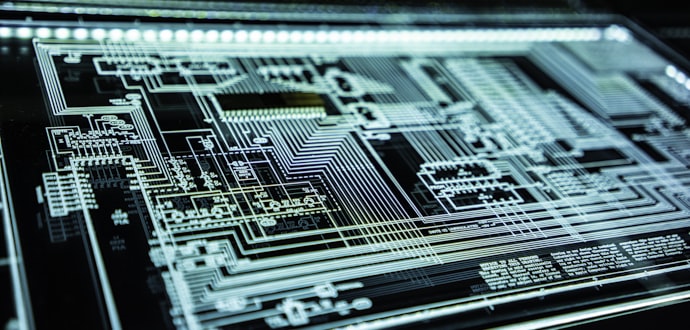
Apacer has added hardware power-loss protection to industrial SSD designs. CorePower preserves cached information during sudden supply failure, reducing corruption risk in edge-AI, manufacturing, transport, and healthcare systems.
-
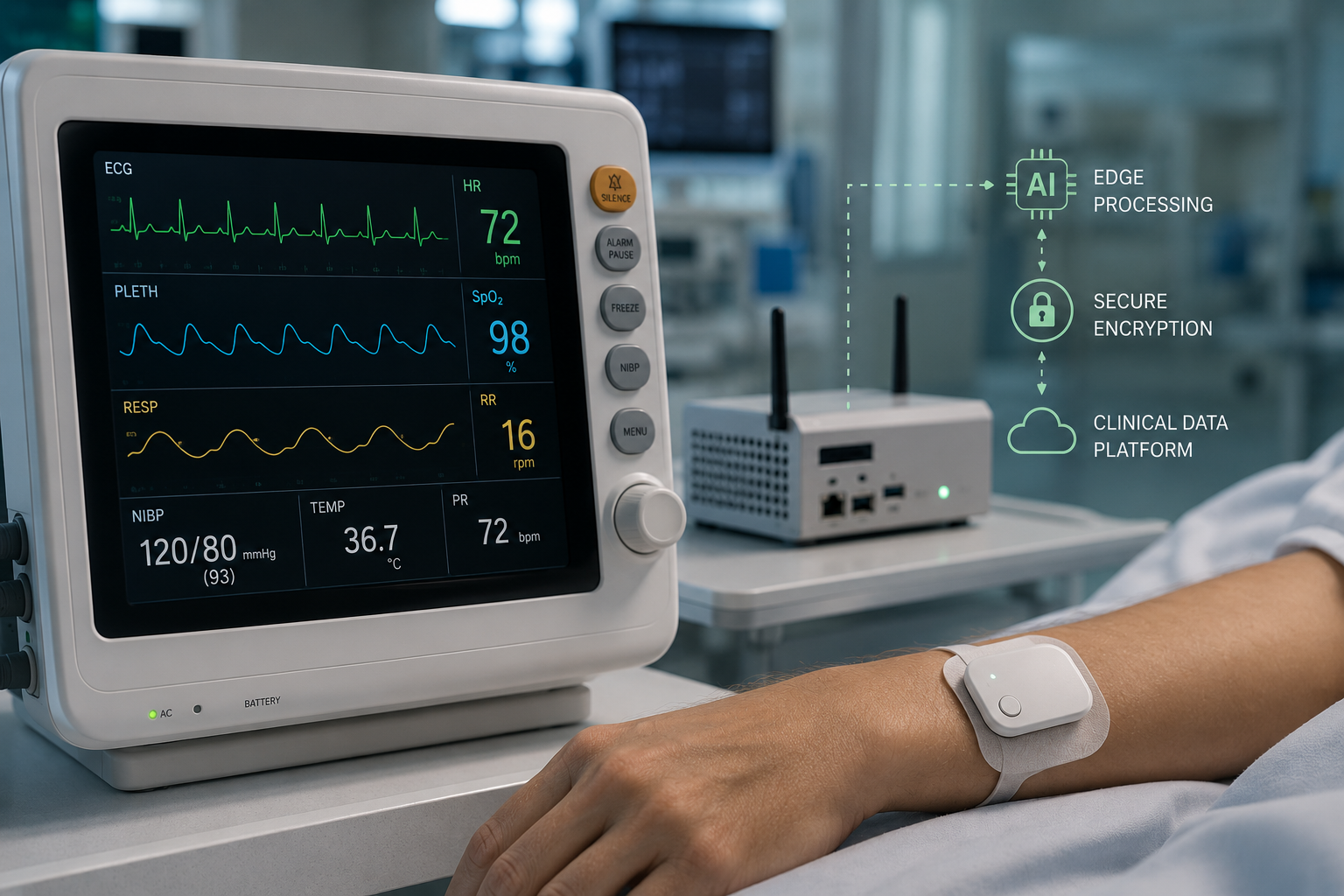
FORTEC has added a high-power supply for medical equipment integration. The 2.5kW Delta MEB-2500 family combines patient-protection isolation, PMBus monitoring, current sharing, and controlled cooling in a compact enclosure.
-
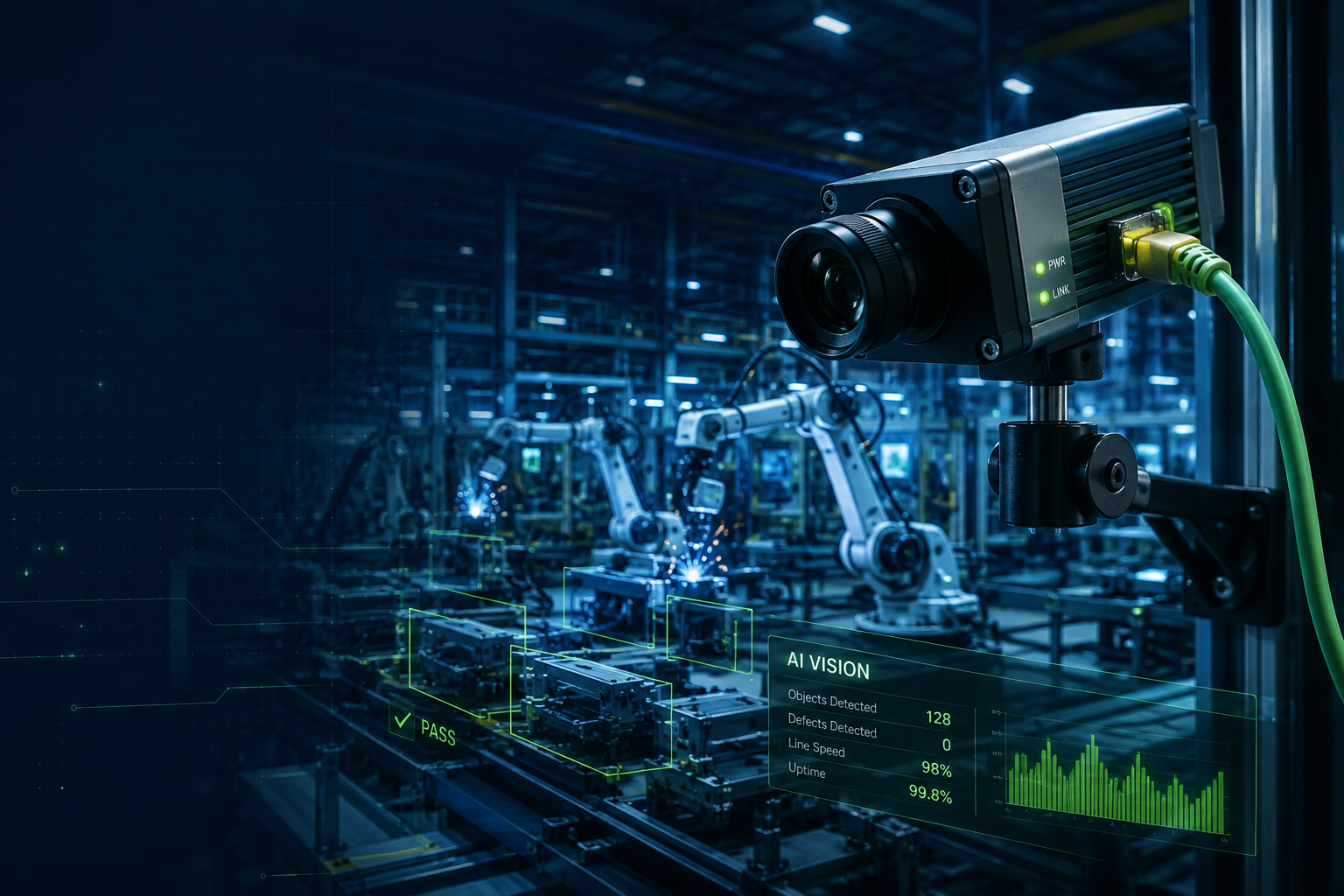
Forwessun will distribute TRI board-test systems throughout the United Kingdom. The agreement combines test hardware with UK-designed fixtures, software, installation, maintenance, and production-lifecycle support.
-
Eviden is integrating electronic intelligence with secure battlefield data systems. Its portfolio connects SIGINT sensors, tactical radios, command software, AI-assisted analysis, and protected information exchange.
-
Johnson & Johnson has gained approval for dual-energy cardiac ablation. The catheter platform combines pulsed-field and radio-frequency energy with mapping, imaging, contact-force sensing, and procedural guidance.
-

Hoenle’s bluepoint platform can control twenty LED-UV curing heads centrally. The modular system supports configurable wavelengths, process sequences, safety interlocks, and high-intensity curing for electronics, optics, and medical-device production.
-
Technosert has automated PCB depaneling using ASYS precision production technology. The installation adds adaptive control, complete cut inspection, tool management, and connected-factory interfaces for regulated electronics production.
-
Infineon combines UWB ranging and presence sensing within one device. The AIROC TSL100 family targets secure access, industrial tracking, indoor navigation, collision avoidance, and automotive detection.
-
A Munich ruling strengthens Infineon’s position in ongoing GaN litigation. The decision restricts affected Innoscience products in Germany, adding another consideration to device qualification and long-term sourcing.