
Category: Products
-
Intel has expanded its data-centre processor and networking stack. Xeon 6+ processors, Ethernet E835 controllers, and Crescent Island GPU updates target AI, cloud, edge, and network-intensive infrastructure.
-
Siemens has developed an AI data-centre reference design. The architecture covers electrical distribution, controls, modular power blocks, storage integration, and scalable deployment for NVIDIA Vera Rubin NVL72 infrastructure.
-
ST has launched a vibration sensor for industrial condition monitoring systems. The IIS3DWB10IS combines MEMS sensing, wide-bandwidth measurement, and local AI processing for predictive maintenance applications.
-
Pickering will show EV test systems for battery electronics validation.
-
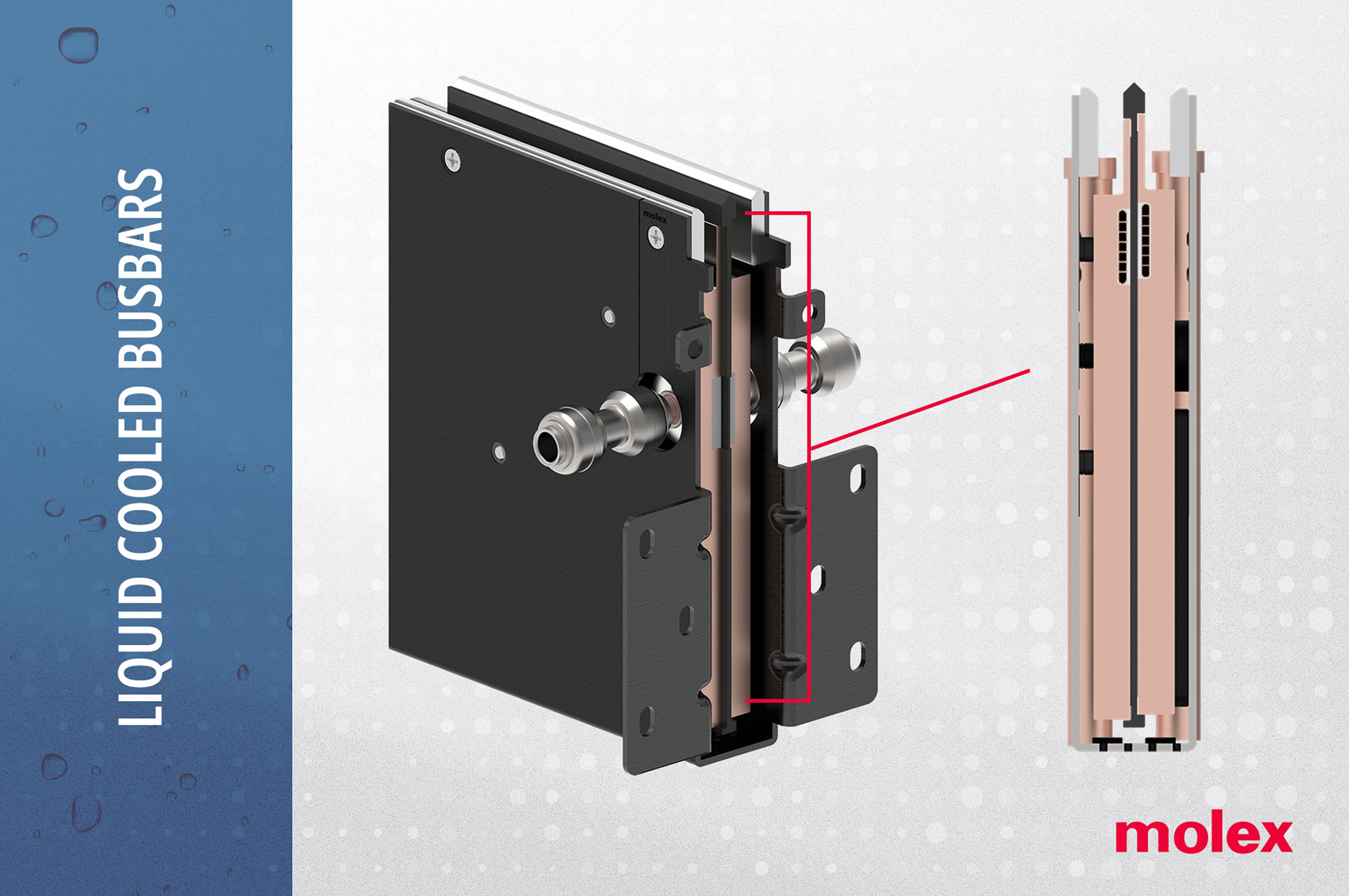
Molex has introduced liquid-cooled busbars for high-current AI racks globally.
-
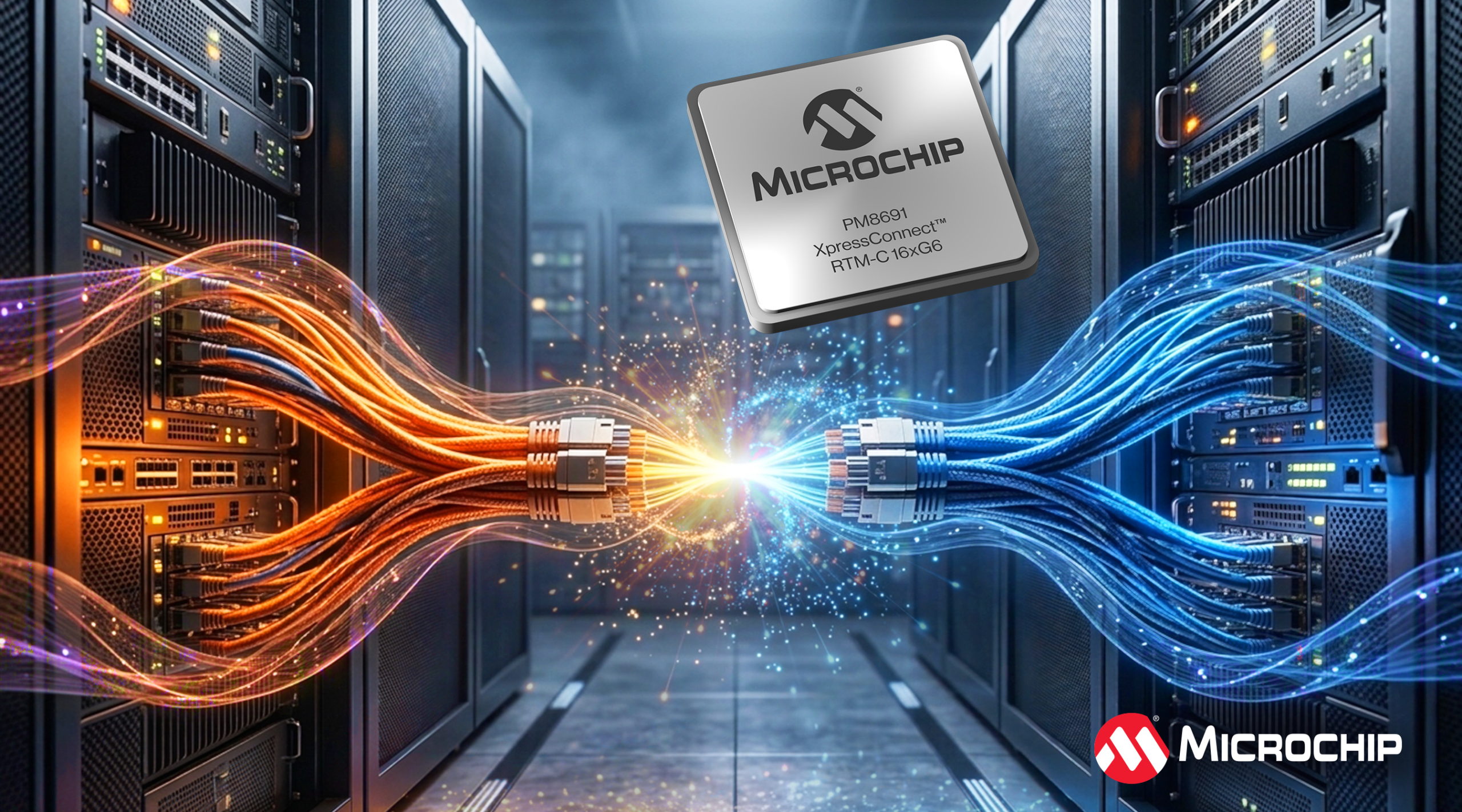
Microchip has released PCIe and CXL retimers for AI fabrics.
-
Frenetic has appointed SZ Dore to support Asian magnetics customers.
-
Danisense will launch a 4000A fluxgate transducer at PCIM Europe.
-
Toshiba has launched a compact complementary MOSFET for motor-control designs.
-
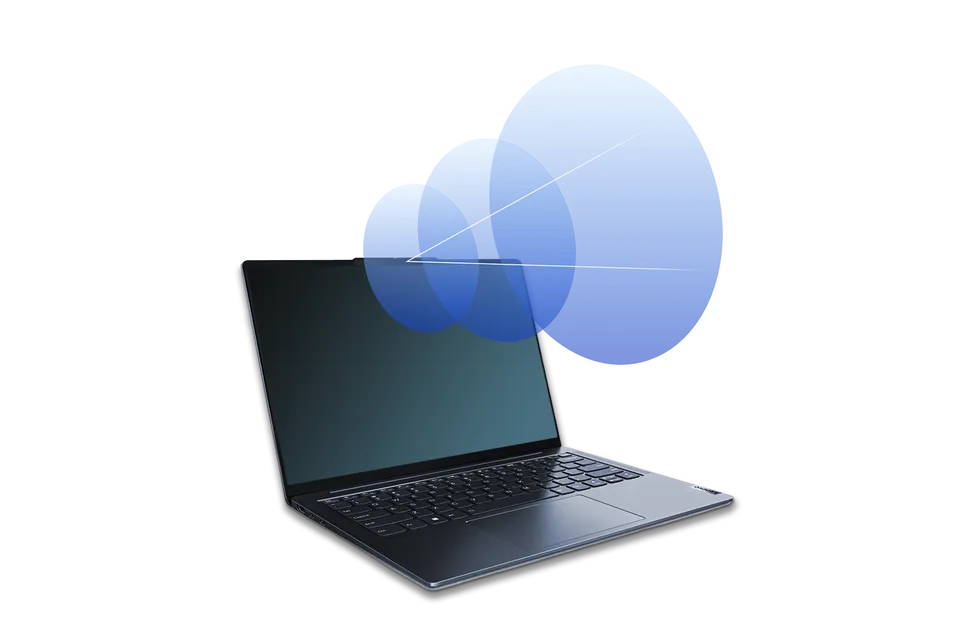
Tobii is providing webcam-based eye tracking for Lenovo’s tablet. The Legion Y900 13 uses Tobii Nexus software on a Qualcomm SoC to support multimodal AI interaction.