
Category: Design engineering
-

EnSilica joins the CHERI Alliance to harden custom ASICs today. The mixed-signal supplier says it will use CHERI capability-based hardware techniques to strengthen memory safety for automotive and industrial silicon.
-

UK Space Agency funded three studies for orbital materials manufacturing. Space Forge and OrbiSky will examine semiconductor seed crystals and ZBLAN fibre production in Low Earth Orbit, targeting higher-performance power electronics and lower-loss optical links.
-
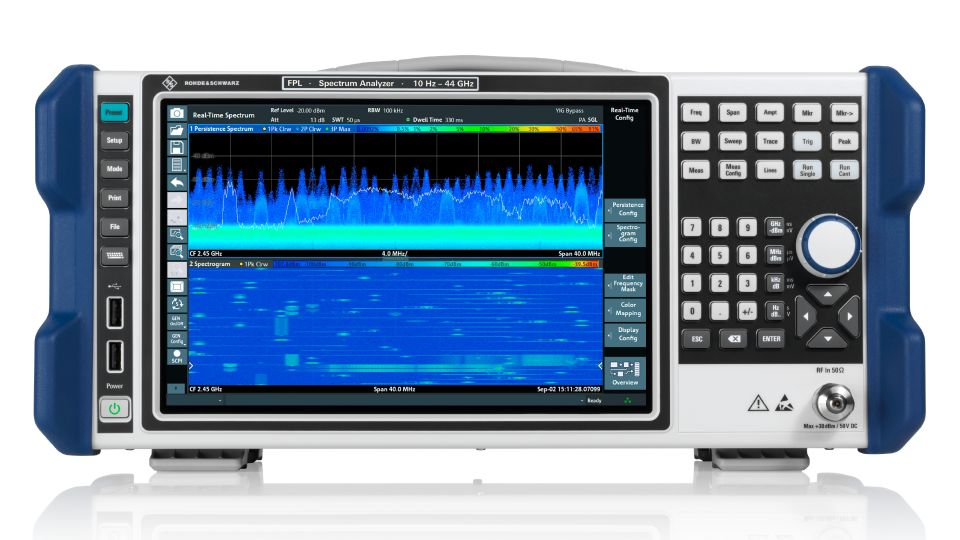
Rohde & Schwarz has pushed mid-range spectrum analysis to 44GHz. The new FPL1044 spans 10Hz to 44GHz and adds a 40MHz real-time spectrum analysis option across the FPL family, targeting Ka-band and adjacent high-frequency test workloads.
-

LG will show 11MP diagnostic displays and 3D surgical monitors. At World Health Expo 2026 in Dubai, the company is highlighting a 40-inch 5,120 × 2,160 curved ultrawide diagnostic monitor and a 32-inch 3D surgical display aimed at procedural imaging.
-
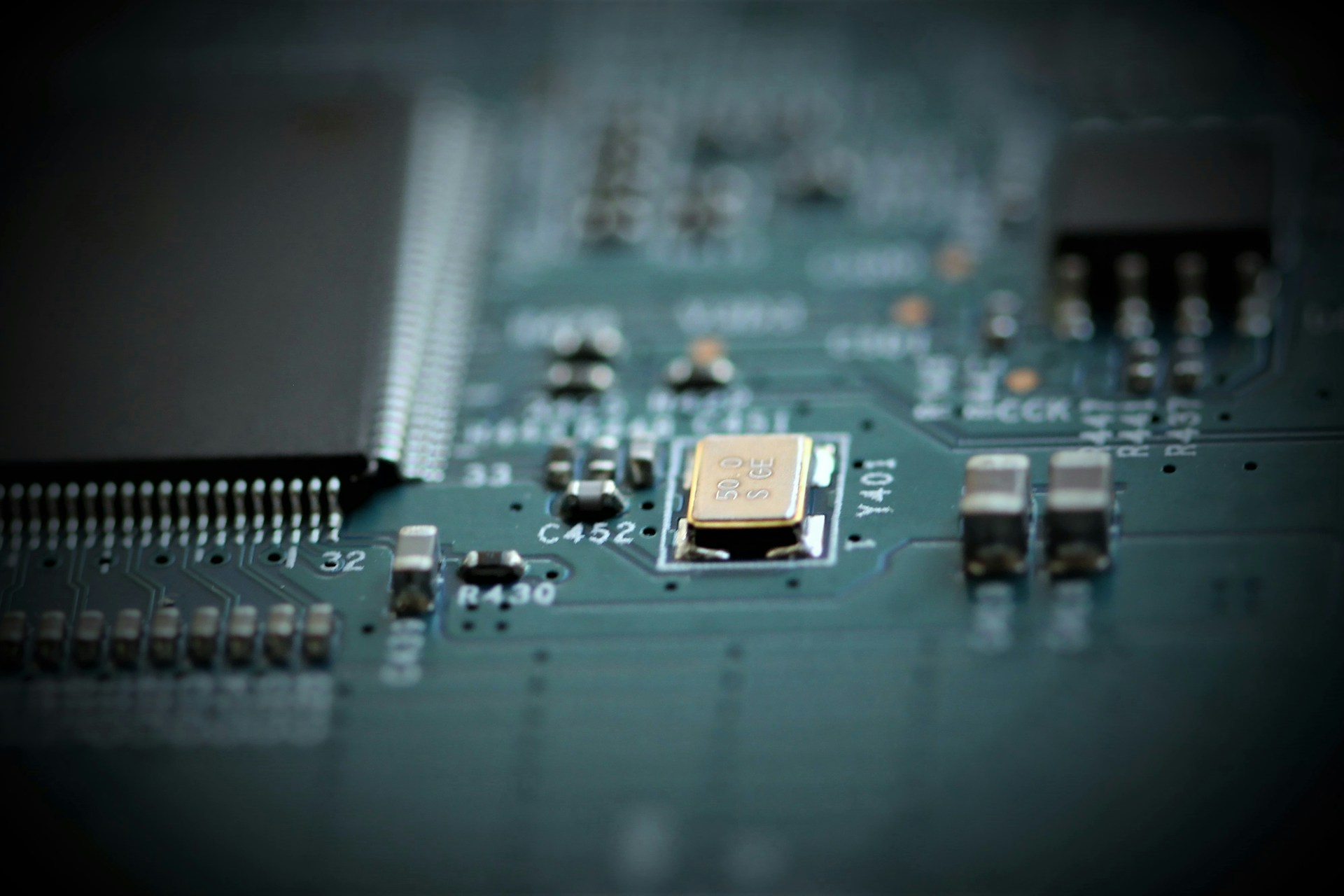
Edinburgh team reports a recoverable hexagonal germanium–tin semiconductor class today. The group used extreme pressure and heat to create stable GeSn alloys that could improve light–electricity conversion in optoelectronic components for processors, imaging systems, and data-centre hardware.
-
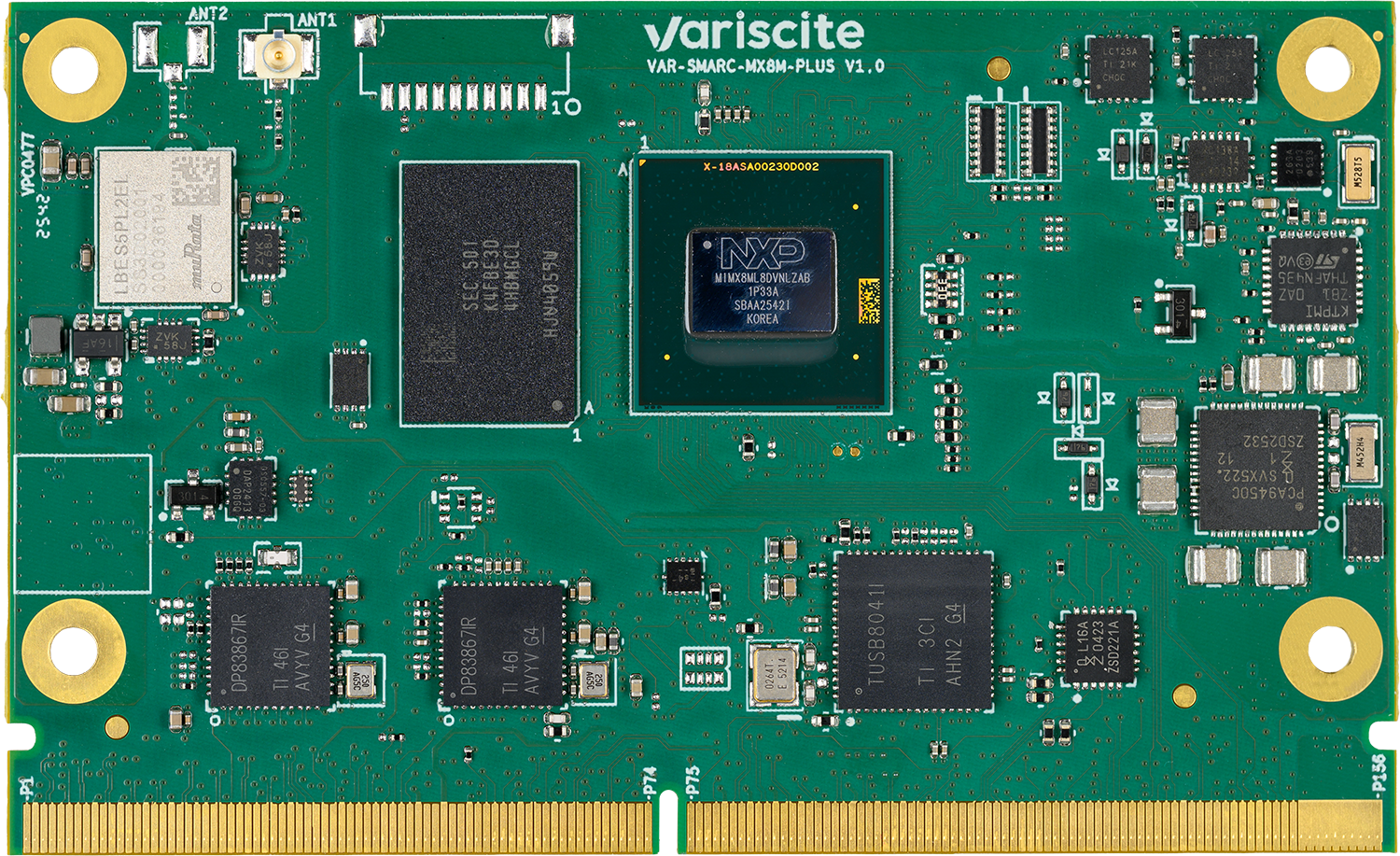
Variscite has launched its first SMARC module family today, globally. The VAR-SMARC-MX8M-PLUS targets compact industrial and medical edge designs, combining NXP’s i.MX 8M Plus with dual Gigabit Ethernet (IEEE1588 support), expanded USB, and an on-module TPM 2.0 security device.
-

Component obsolescence remains a persistent risk for electronics manufacturers globally. ByteSnap Design has launched a free interactive BOM Health Self-Assessment tool to help engineering leaders quantify their exposure and evaluate whether existing BOM management processes are sufficient before disruption occurs.
-
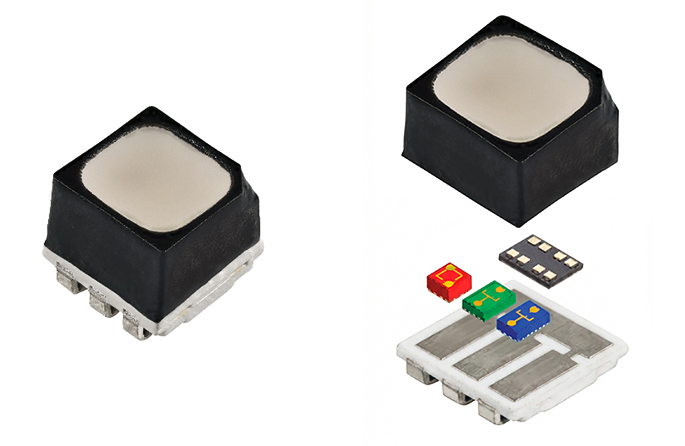
Cree LED is targeting brighter displays using less power now. Its OptiLamp components integrate driver and control intelligence inside each LED pixel, aiming to cut system complexity while improving image quality and long-term maintainability in large-format display deployments.
-
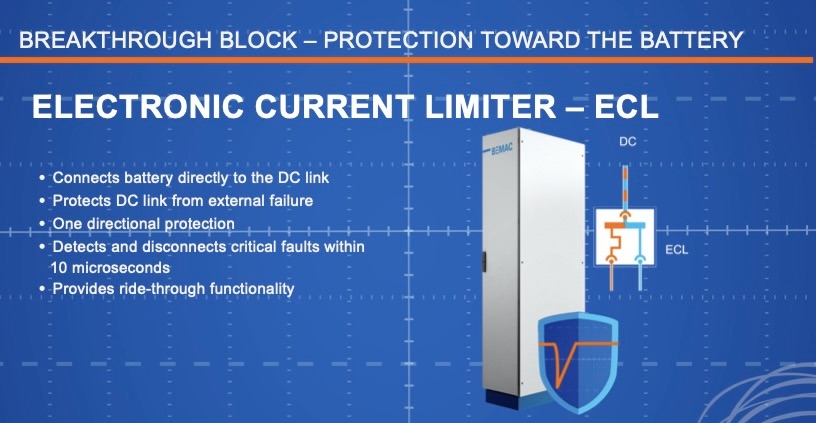
The Switch has added a battery-interface current limiter for DC. Its Electronic Current Limiter clamps fault current in microseconds, helping hybrid and electric vessels keep DC-link voltage stable during battery-side faults.
-
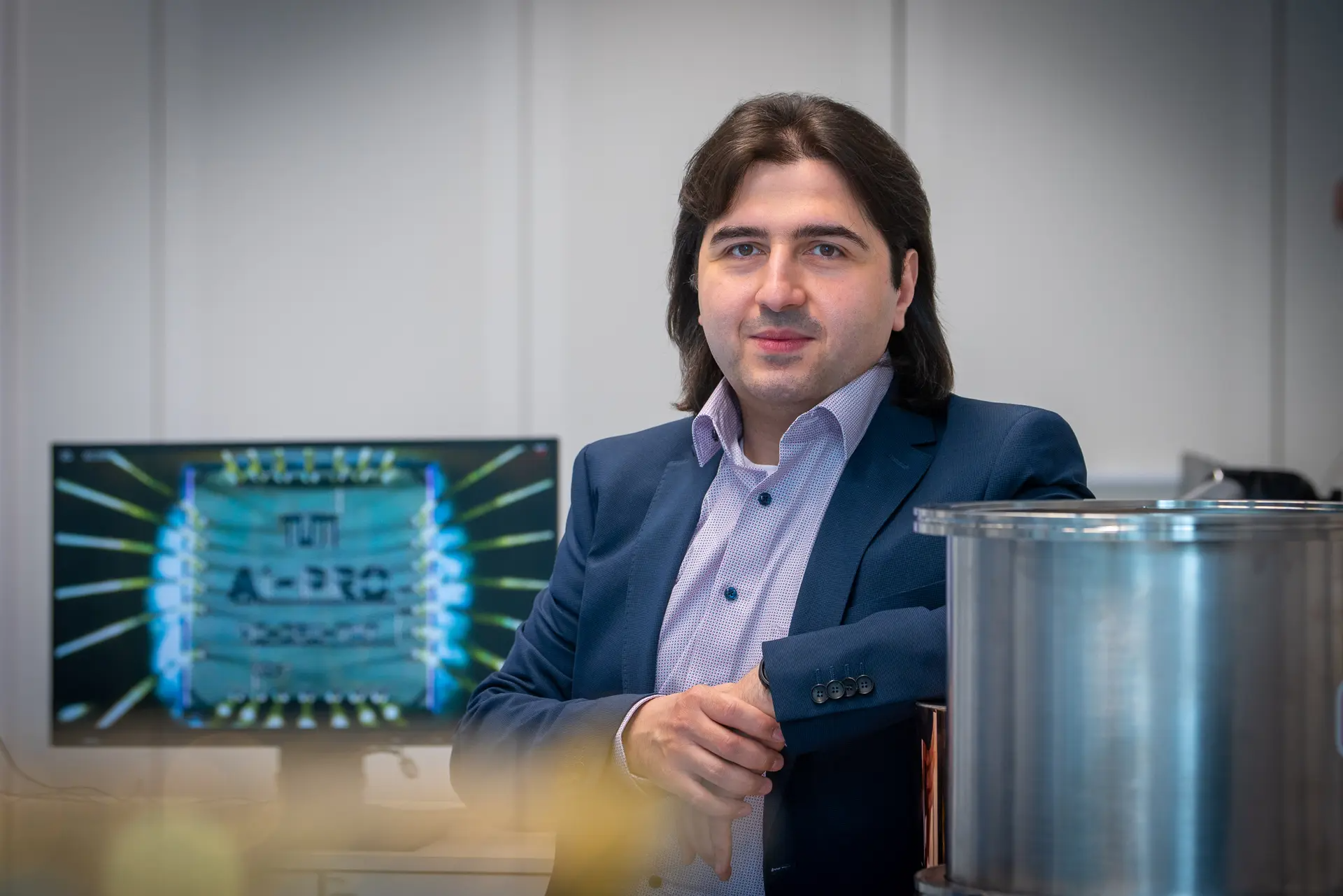
Munich researchers have built Europe’s first 7nm AI chip prototype. The RISC-V, neuromorphic design targets ultra-low-power on-device inference, with an eye on security-sensitive industrial and medical workloads. TUM’s MACHT-AI centre is backing further tape-outs on advanced FinFET nodes.