
Category: Embedded systems
-

Microchip has reduced its PolarFire Ethernet sensor bridge by 60%. Rev 2.0 supports four MIPI CSI-2 cameras, dual 10Gb Ethernet, and on-board latency measurement for NVIDIA Jetson and IGX edge systems.
-
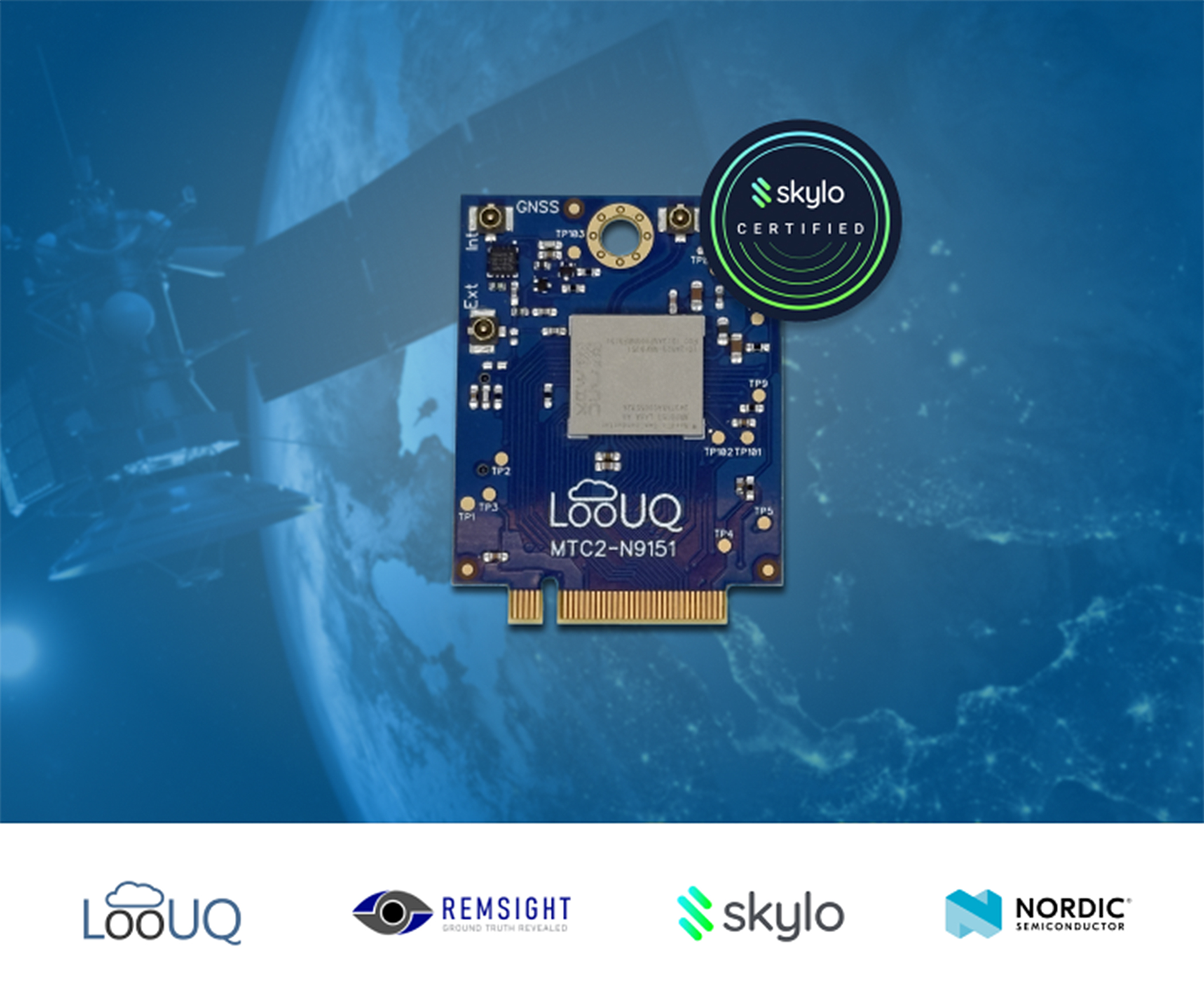
Nordic’s nRF9151 simplifies satellite and cellular IoT product development workflows. LooUQ’s certified embedded modem carries Skylo NTN approval downstream while reducing integration and certification work for device manufacturers.
-
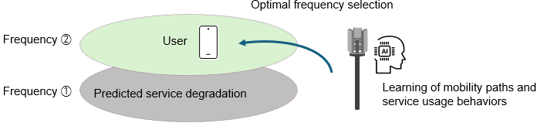
DOCOMO and Samsung have validated user-level AI-RAN optimisation in Japan. The system predicts individual throughput problems and changes radio configuration before service quality deteriorates.
-

Panasonic and INSYS icom have combined hardware for 2G migration. The retrofit links existing serial controllers to LTE and 5G infrastructure without requiring complete control-system replacement.
-

Singapore has cleared Texas Instruments’ acquisition of Silicon Labs outright. Competition authorities found no substantial reduction across five semiconductor markets, including wireless SoCs, MCUs, PMICs, sensors, and USB bridges.
-

Researchers built an open platform for automated embedded power testing. The Raspberry Pi-based system coordinates firmware flashing, device execution, and current measurement at around 1,200Hz.
-
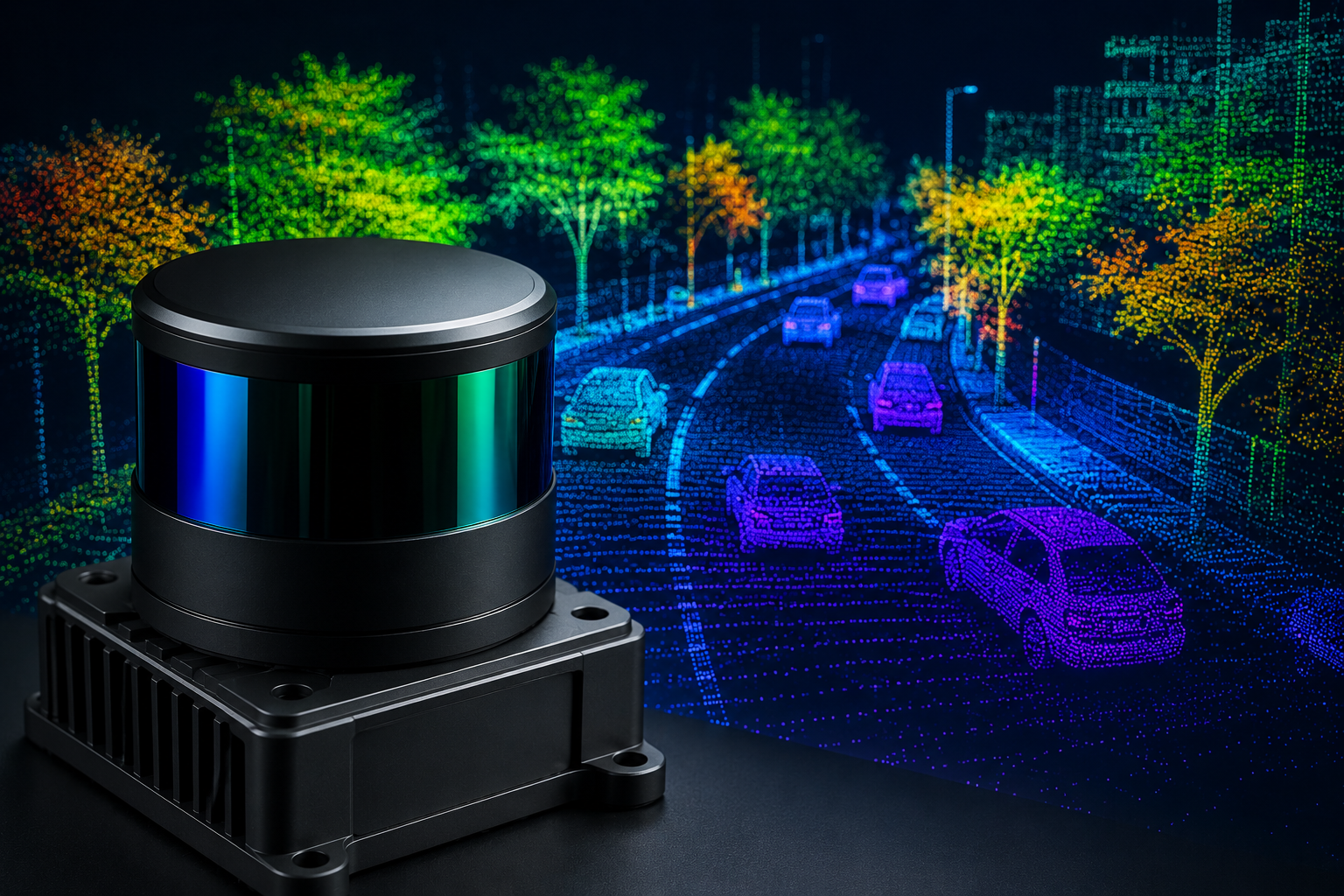
MicroVision has launched lighter lidar systems for autonomous aerial platforms. MOVIA Air Plus adds edge processing, camera input, mapping, and onboard perception.
-
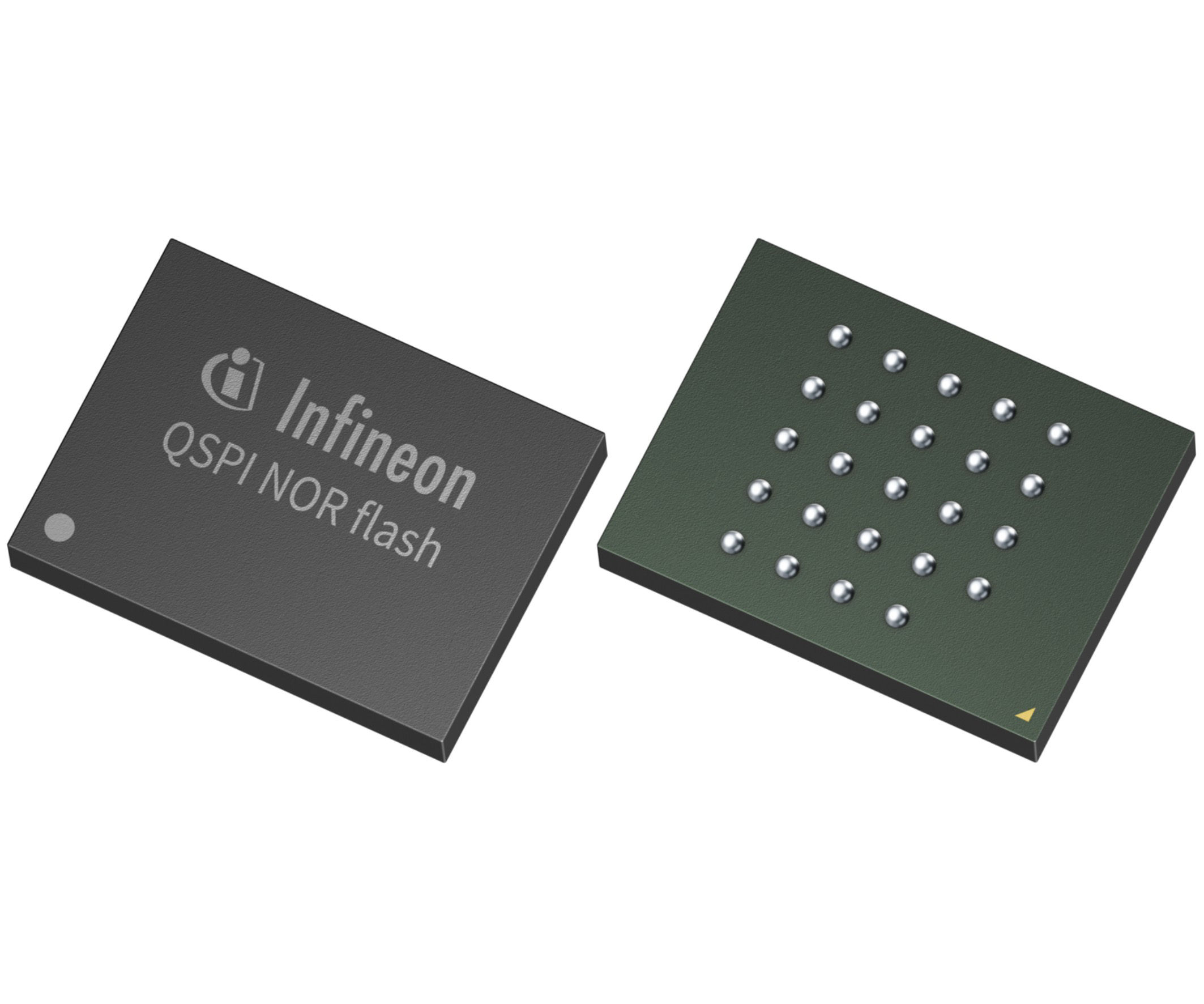
Infineon’s 512Mb NOR Flash has qualified for MediaTek’s C-X1 platform. The approval gives automotive developers a validated boot memory option for software-defined cockpit systems.
-

AMD’s embedded revenue climbed nineteen per cent during the quarter. New processors, adaptive systems-on-chip, and modules broaden its industrial and edge-computing portfolio.
-
Ambiq has released open-source profiling software for Apollo edge-AI hardware. The alpha tool measures execution cycles, memory use, and optional real-time power.