
Category: Embedded systems
-
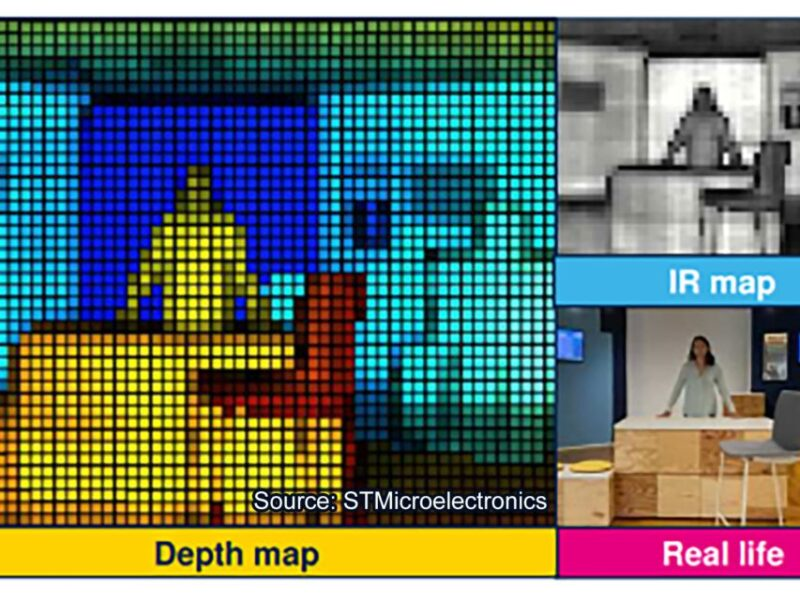
STMicroelectronics is advancing edge imaging beyond conventional camera component boundaries. Its FlightSense and BrightSense platforms combine depth sensing, vision, local processing, and low-power operation.
-

MEMPHIS Electronic will address memory uncertainty at FMS 2026 soon. Its focus is availability, migration, and lifecycle planning for embedded designs.
-
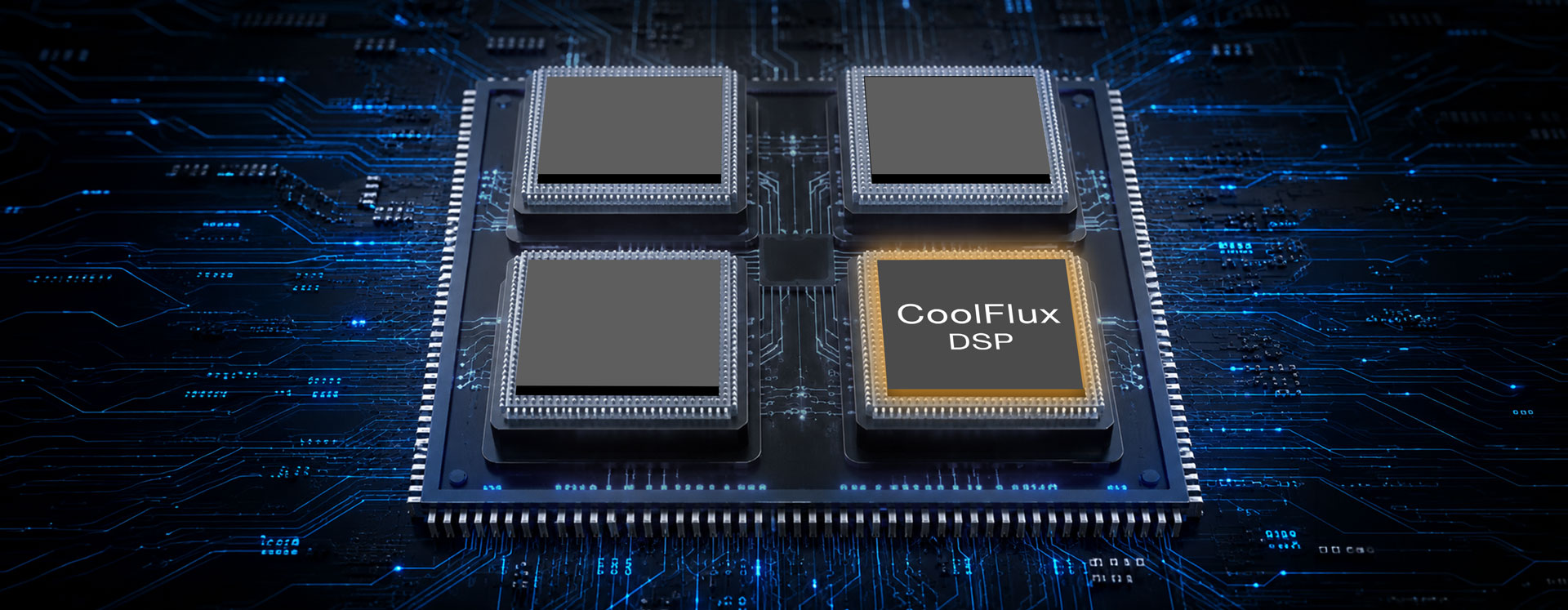
Lauterbach has added TRACE32 support for NXP CoolFlux DSPs development. The update extends debug and non-intrusive trace coverage for low-power signal-processing systems.
-

Anritsu has expanded RedCap testing for emerging 5G devices applications. The software covers throughput, handover, power, temperature, and band-combination checks.
-

Rutronik is offering Intel processors for physical AI systems deployments. The devices combine CPU, GPU, and NPU resources for robotics and automation.
-

congatec and CODESYS are virtualising real-time industrial control workloads together. Their partnership combines a hypervisor and PLC runtime to consolidate mixed-critical functions.
-

MediaTek and Samsung have advanced five-layer 5G uplink performance testing. The demonstration reached 670Mbps using MediaTek’s M90 modem and Samsung’s vRAN and radio systems.
-

Sony Semiconductor has joined MIPI’s board as a Promoter member. The move strengthens image-sensor input into interface standards used across embedded vision, automotive, IoT, and mobile-influenced systems.
-

Advantech has added Dragonwing IQ9 systems for industrial edge AI. The portfolio spans modules, robotic controllers, and fanless platforms for vision intelligence.
-

Q2 2026 made electronics design constraints much harder to ignore. Memory, packaging, optics, EDA automation, edge AI, and power delivery all carried forward existing pressures, while adding sharper evidence of how advanced systems are now limited by more than processors alone.