
Category: Products
-
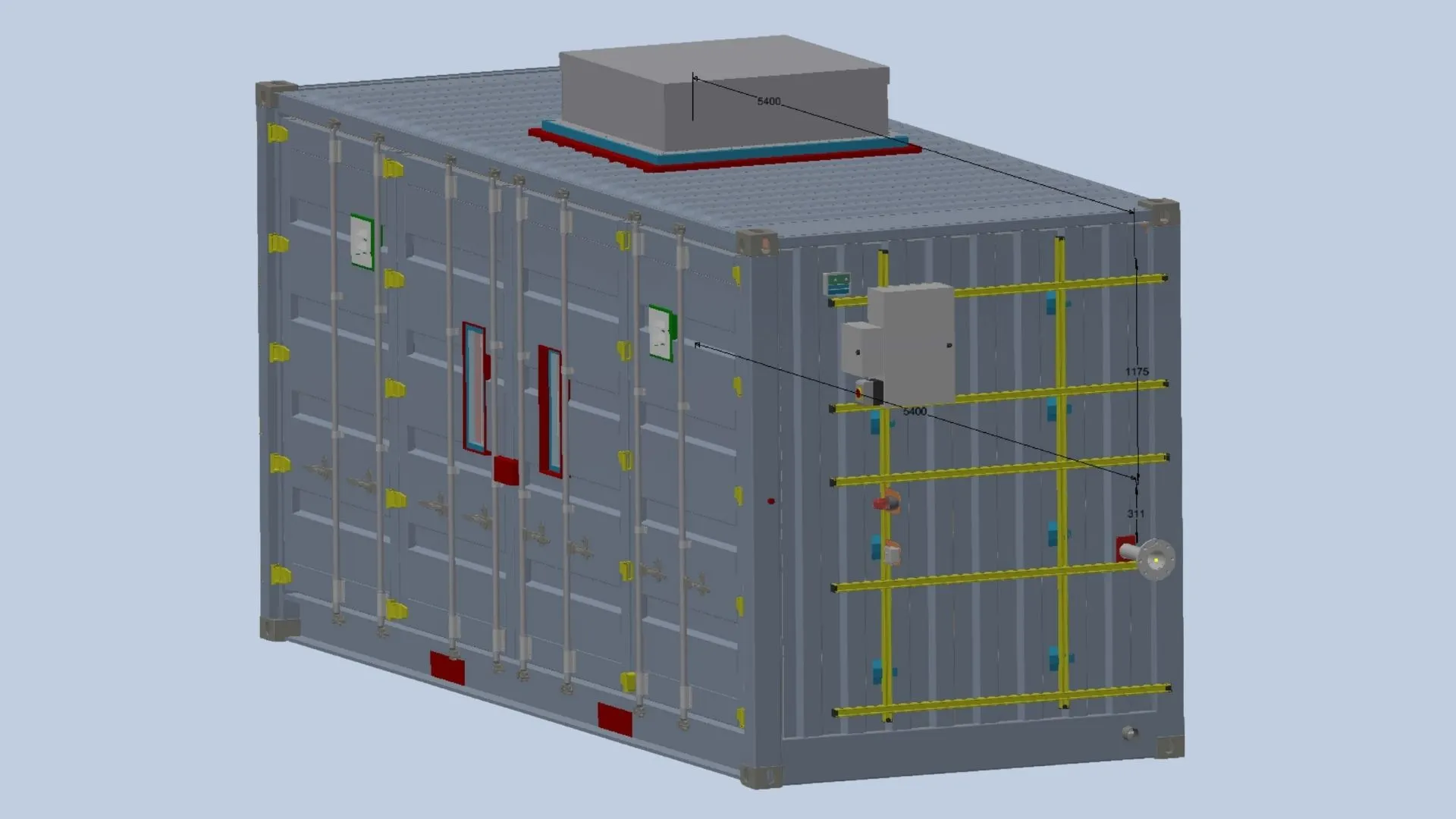
S Jones has launched a tiered container platform for batteries. The new Green Battery Store targets lower-risk storage under DSEAR assessments, with Bronze, Silver, and Gold tiers covering higher-hazard applications.
-
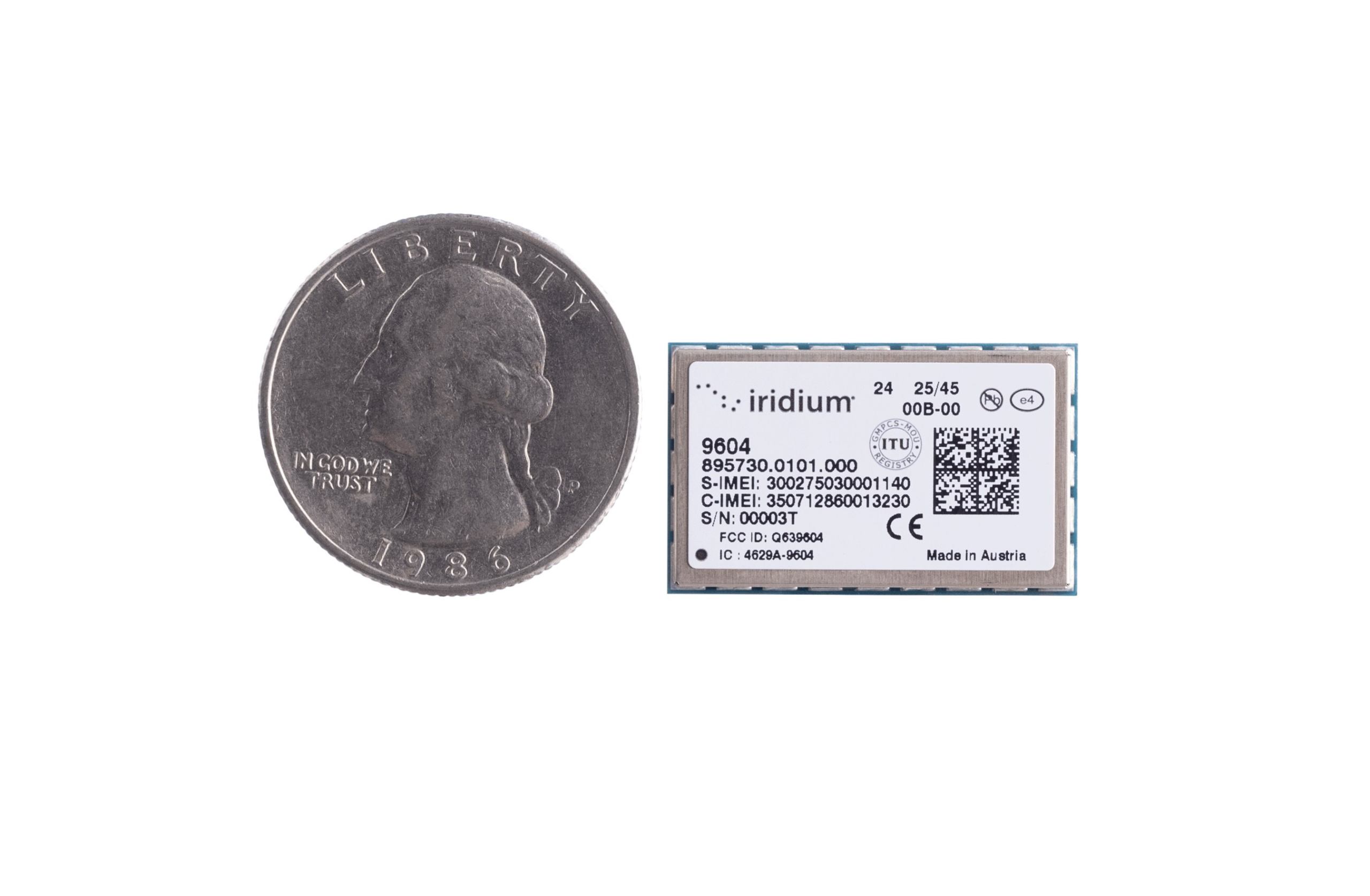
Iridium has unveiled a three-radio module for global IoT deployments. The Iridium 9604 integrates Iridium SBD satellite, LTE-M cellular, and multi-constellation GNSS, with commercial availability set for June 2026.
-
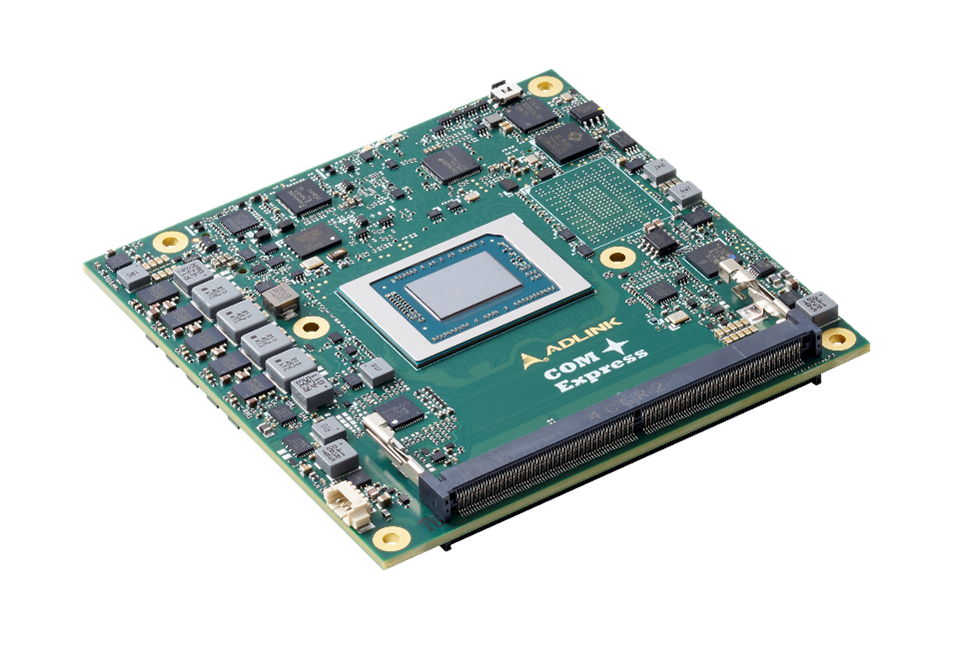
Rutronik is stocking ADLINK’s cExpress-R8 COM Express edge modules now. The 95 mm × 95 mm Type 6 design combines Ryzen Embedded 8000 compute and an integrated NPU, with up to 96 GB DDR5 and PCIe Gen4 expansion.
-
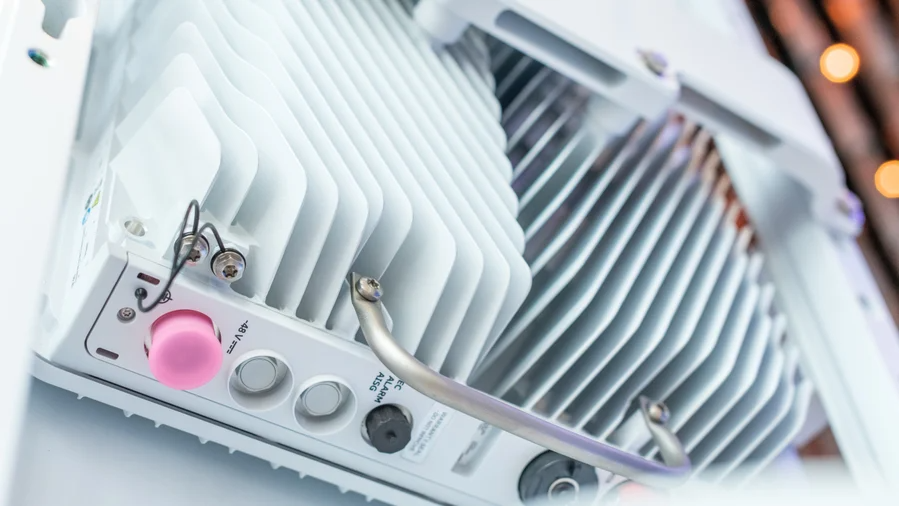
Ericsson is pushing AI inference deeper into 5G radio hardware. Ahead of MWC 2026, the company has launched AI-ready Massive MIMO radios with neural network accelerators, plus RAN software updates for beamforming, positioning, and coverage prediction.
-
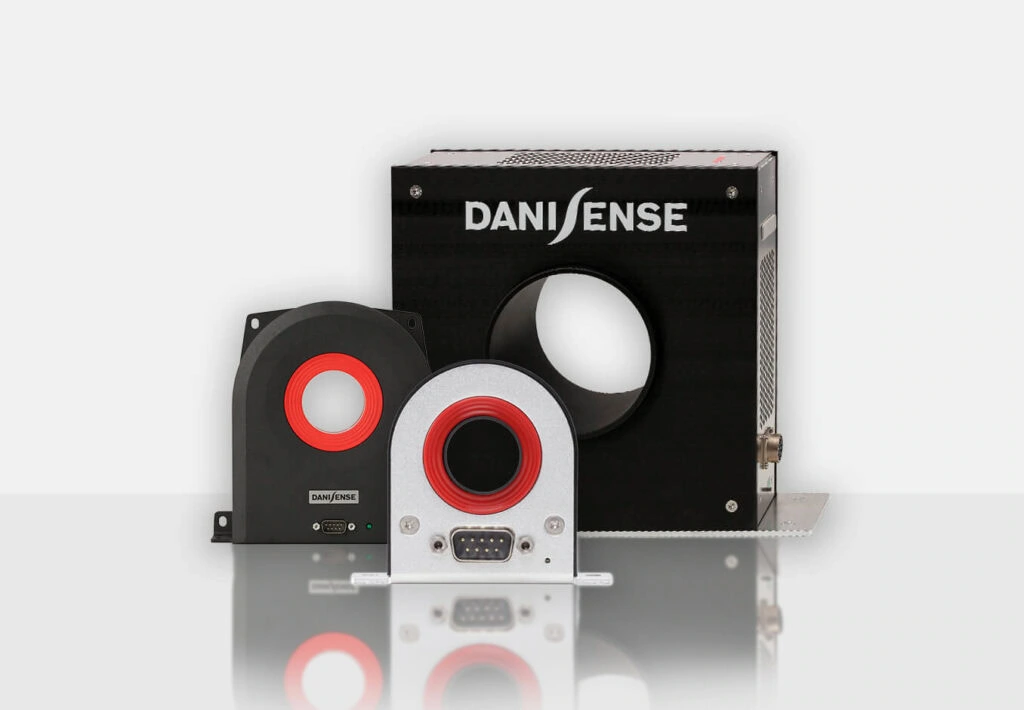
Danisense has widened its DN1000ID range with higher isolation distance. The DN1000ID-CP02 extends creepage and clearance to 38 mm and targets high-current, high-voltage power measurement, including EV chargers and energy storage hardware, with 1 ppm linearity at 1000 A continuous.
-
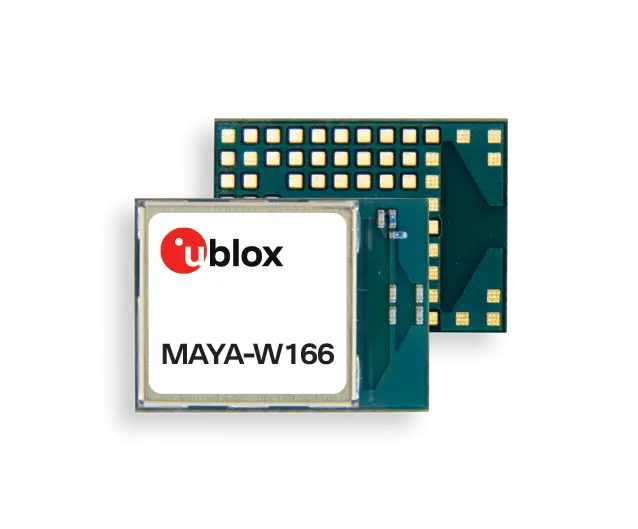
Mouser is shipping u-blox MAYA-W3 Wi-Fi 6 modules now globally. The host-based range targets healthcare and industrial systems with SISO Wi-Fi 6/6E, Bluetooth Low Energy 5.4 with LE Audio support, multiple antenna options, and evaluation kits intended to accelerate integration.
-

AI data centres are turning NAND into a scarce resource. Phison is warning of a 2026 squeeze as enterprise SSD demand accelerates for inference, vector search, and cold-tier storage. With suppliers prioritising margin and process transitions limiting bit growth, embedded buyers may find eMMC and UFS harder to source.
-
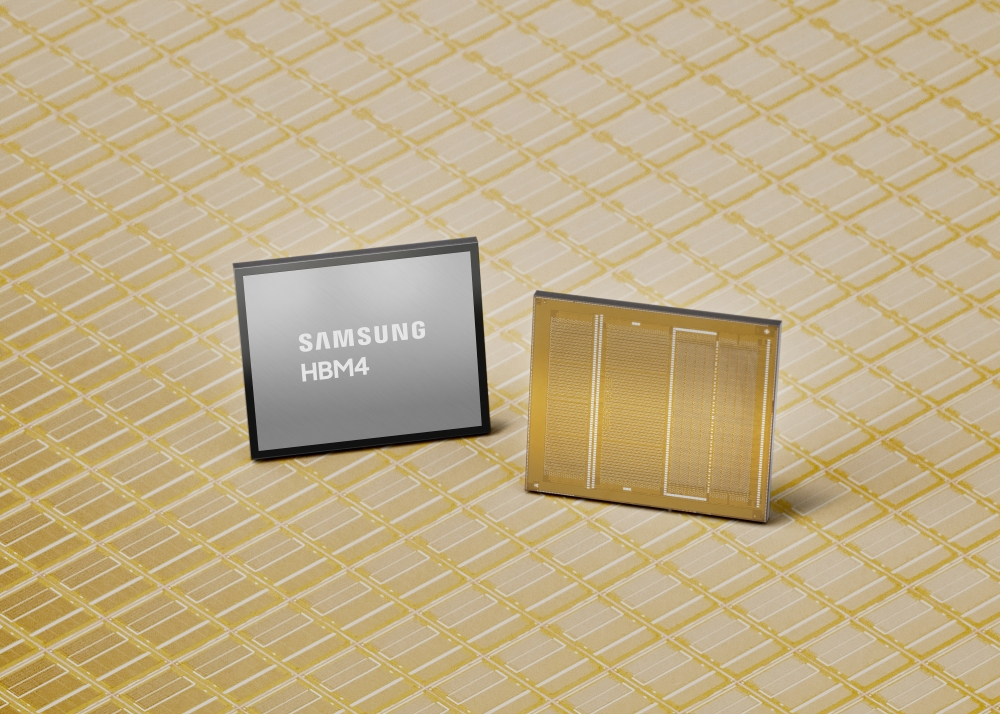
Samsung has begun shipping HBM4 memory for AI accelerators commercially. The company says production uses a 10 nm-class DRAM process with a 4 nm logic base die, delivering 11.7 Gbps per pin, up to 3.3 TB/s per stack, and 24–36 GB capacities.
-
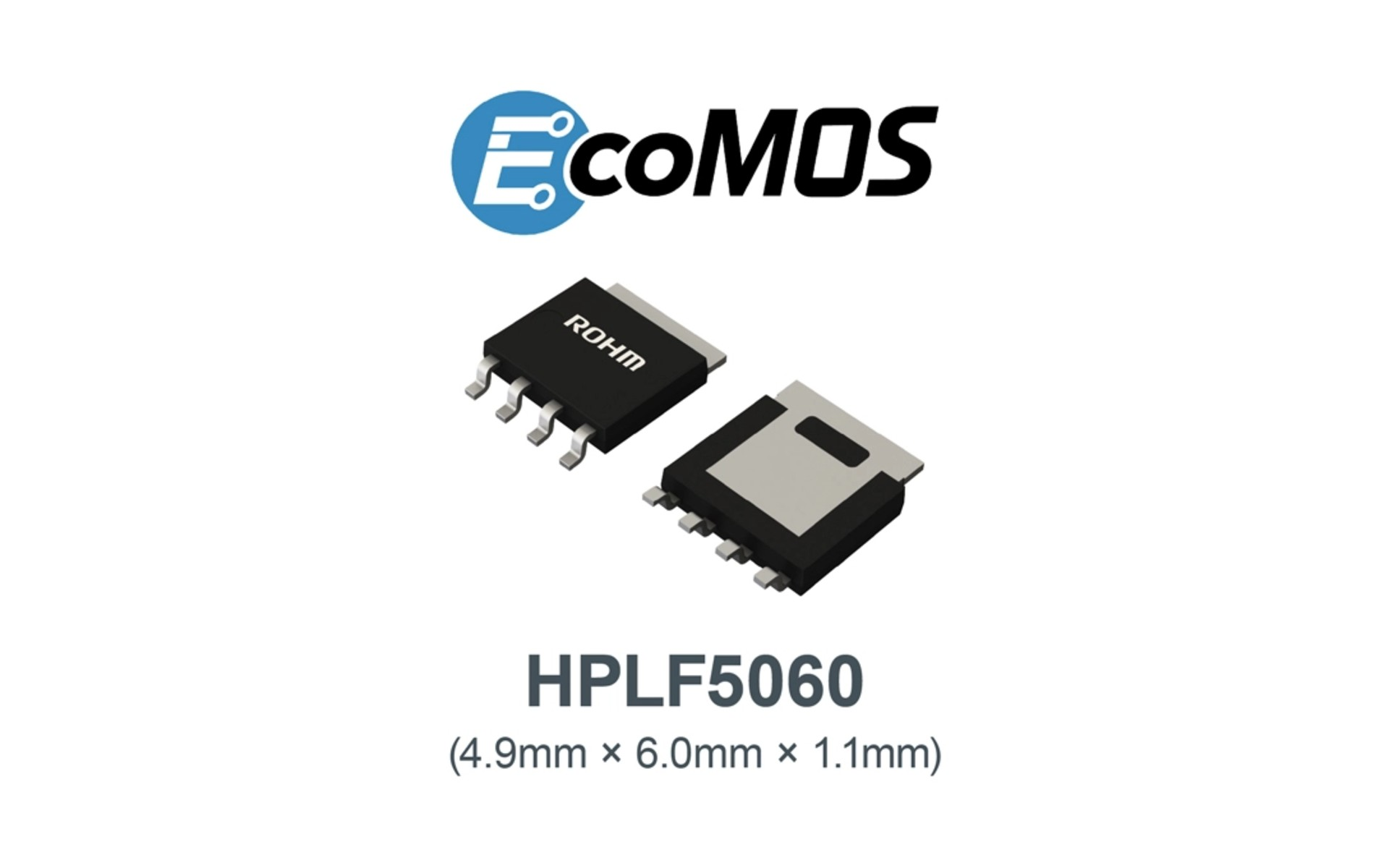
ROHM has added HPLF5060 packages to automotive MOSFETs for 40V/60V. The new footprint targets tighter ECU layouts while improving solder-joint robustness with gull-wing leads and copper clip junctions, aiming at applications such as inverter control, electric pumps, and LED headlamps.
-

ST’s Stellar P3E MCU integrates dedicated neural acceleration on-chip hardware. The automotive controller uses a Neural-ART Accelerator to run edge inference and virtual sensing alongside safety-focused real-time cores for software-defined vehicle platforms.