
Category: Processors
-

Cohu has received around $5m in orders for Diamondx systems to test next-generation GaN power devices. The systems will support development and manufacturing for AI data centre power architectures.
-
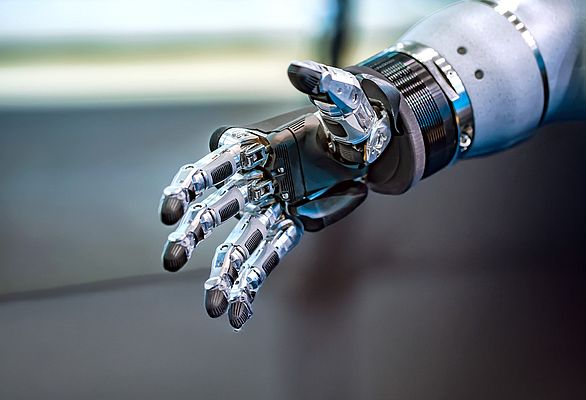
Infineon has opened a humanoid robotics challenge for startups globally. The programme focuses on embedded hardware, sensing, motor control, and edge AI development, with selected teams moving through pitch, prototyping, and demonstration stages in Germany and Austria.
-

Aeva is adding Cadence DSP IP to its LiDAR pipeline.
-
Semidynamics and SiPearl target sovereign European AI inference platforms.
-

FotoNation and SEMIFIVE have agreed to develop TriSilica perceptual AI silicon. The collaboration targets ultra-low-power multimodal sensor-fusion SoCs using Samsung Foundry’s 8nm Low Power Ultimate process.
-
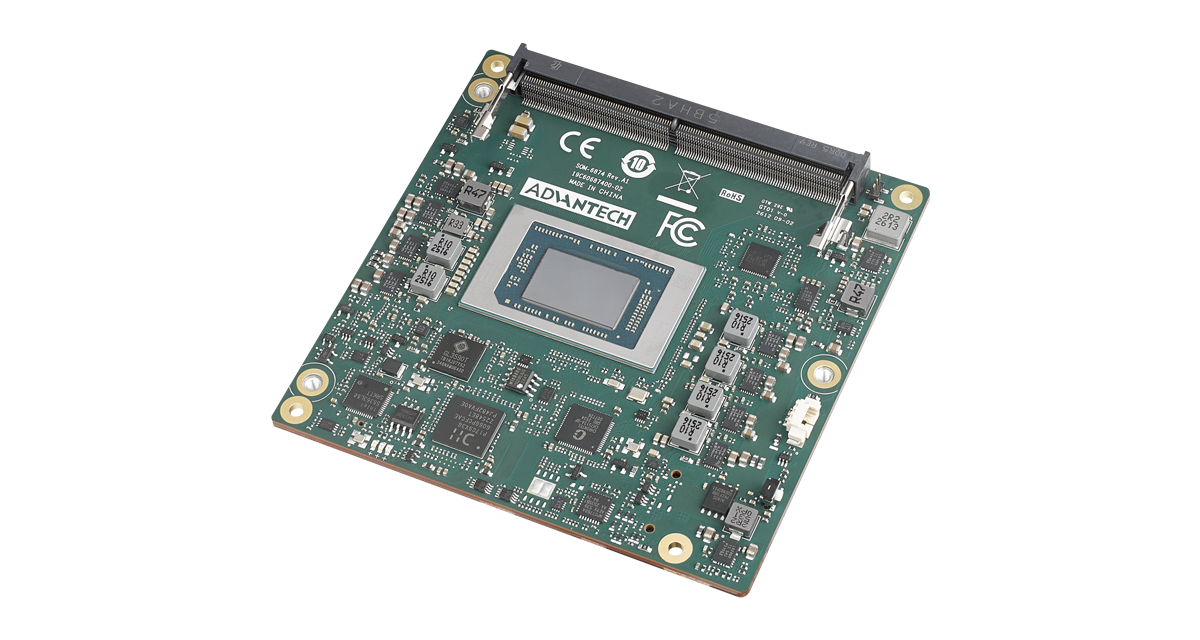
Advantech has added Ryzen AI Embedded P100 platforms. The portfolio covers a 3.5in SBC, COM Express module, and Mini-ITX motherboard for edge AI, industrial automation, medical imaging, transport, and urban systems.
-
Keysight has expanded its PCIe 7.0 test portfolio with a receiver test application for 128GT/s validation in compute, AI, and data-centre ASIC development.
-
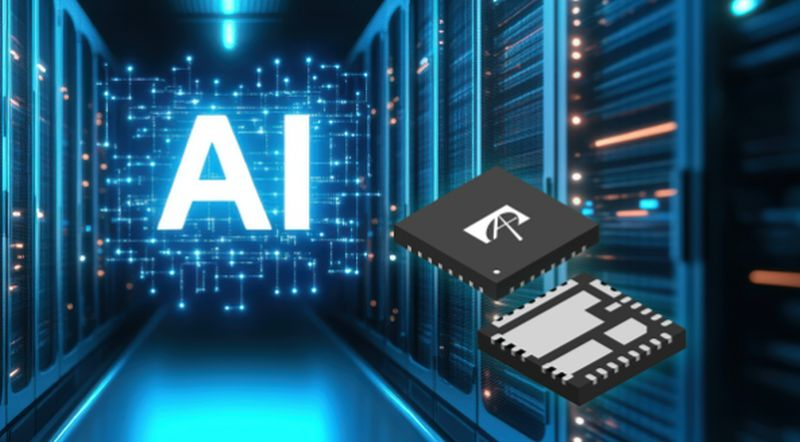
Alpha and Omega Semiconductor has introduced SmartClamp protected DrMOS devices for AI servers and high-end GPUs, integrating current limiting within the power stage.
-

Renesas has completed its acquisition of Irida Labs, adding embedded vision AI software for camera and sensor systems across industrial, robotics, infrastructure, healthcare, and IoT applications.
-
Diodes Incorporated has introduced the PI6CG33A06, a six-output PCIe 7.0 clock generator delivering sub-30fs RMS jitter for AI infrastructure, servers, networking equipment, and HPC systems.