
Category: Sensors
-
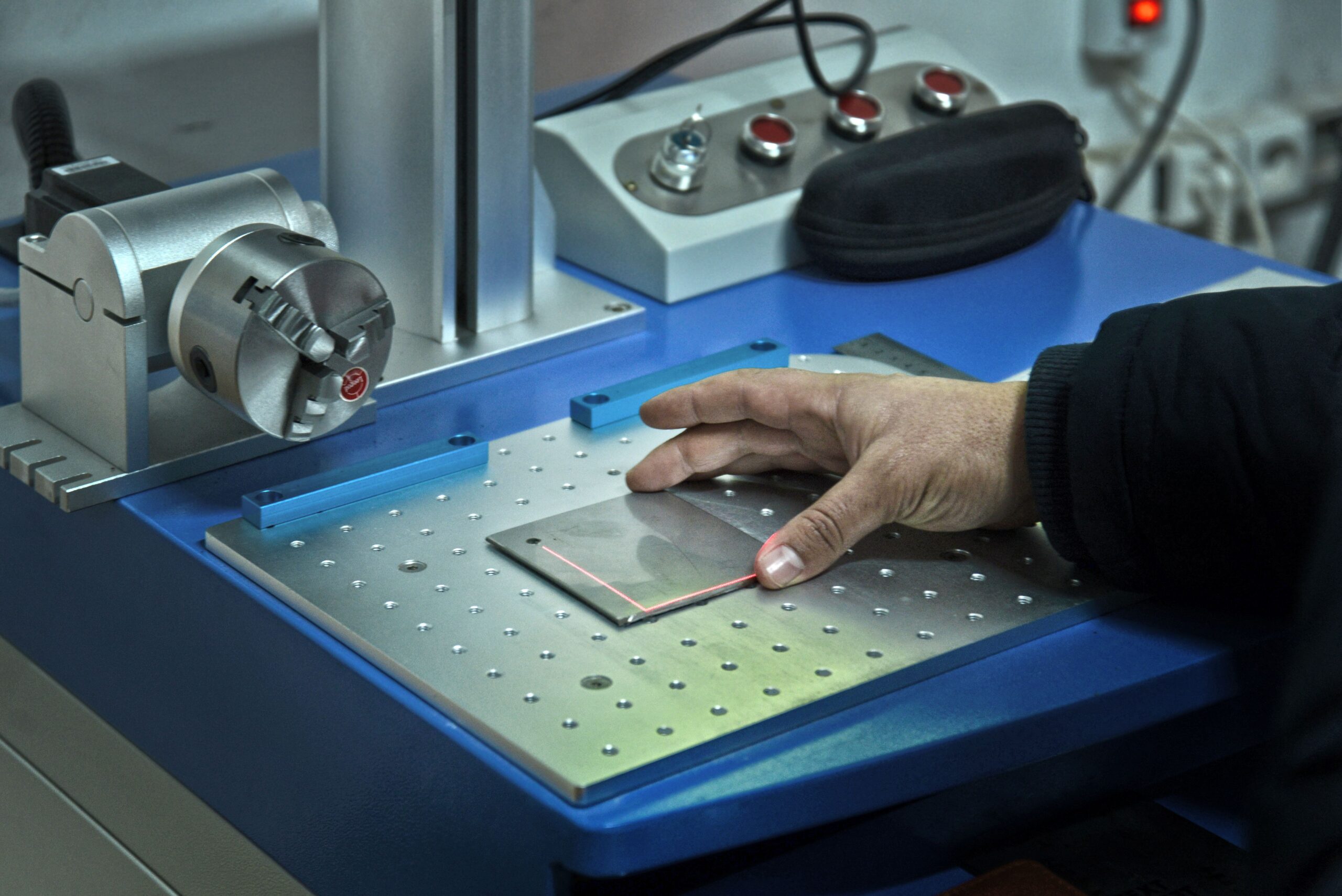
OSCP is developing navigation sensors built around multiple photonic gyroscopes. The MK2Z-3 targets navigation-grade bias stability in an enclosure weighing under one kilogram, with samples expected during 2027.
-

Neways will package Melexis sensors for liquid cooling and refrigeration. The partners have developed a compact housing for Triphibian pressure devices used in electric vehicles and data centres.
-
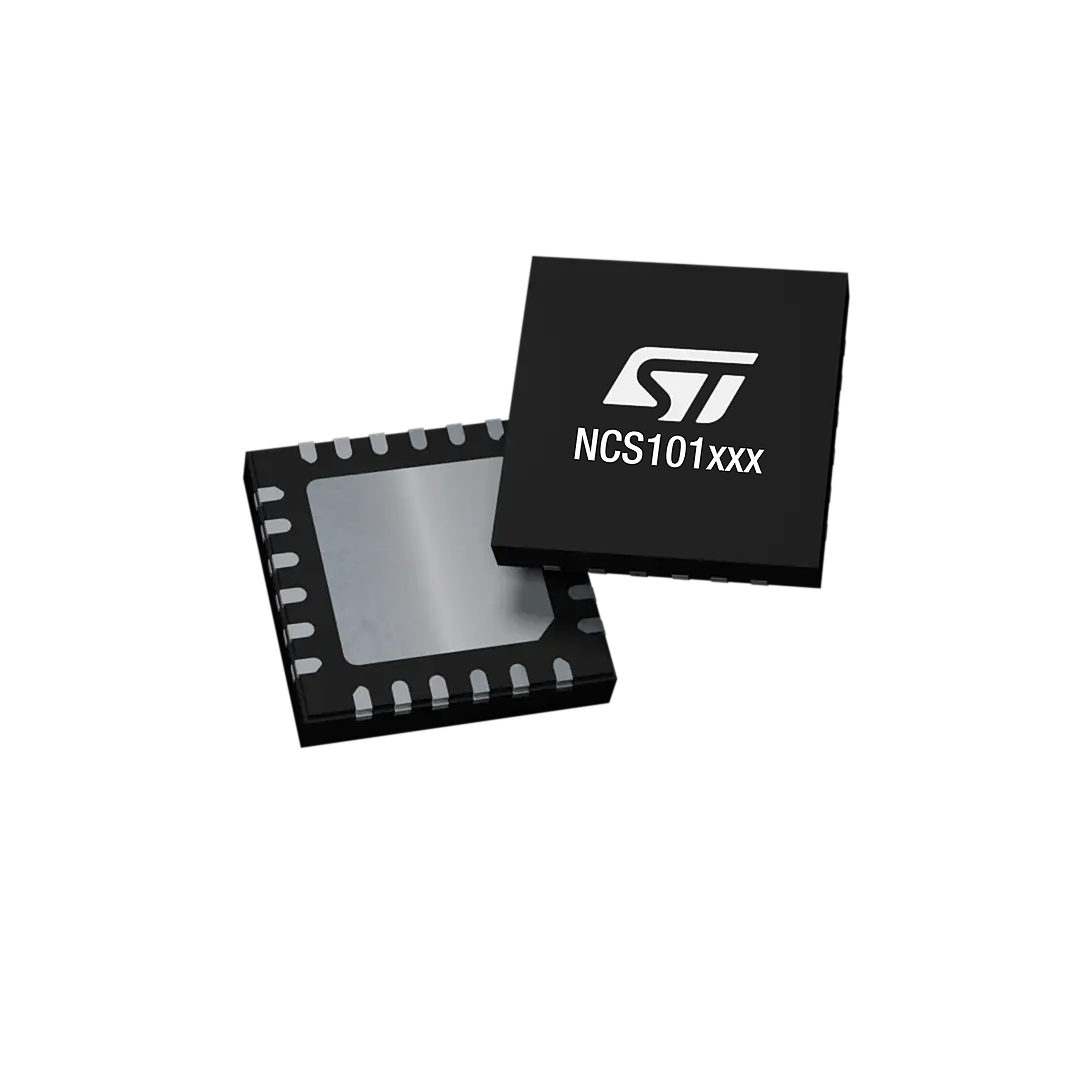
ST has introduced four combined sensors for automotive safety applications. The devices integrate angular-rate and acceleration measurement with SafeSPI communications and internal diagnostics, and all four are in production.
-
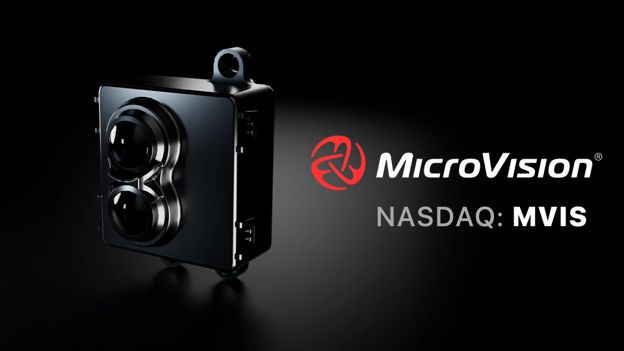
MicroVision has started commercial production of its MOVIA Pro lidar. The sensor combines wide angle coverage, onboard perception and industrial interfaces for robotics, infrastructure monitoring and other applications.
-
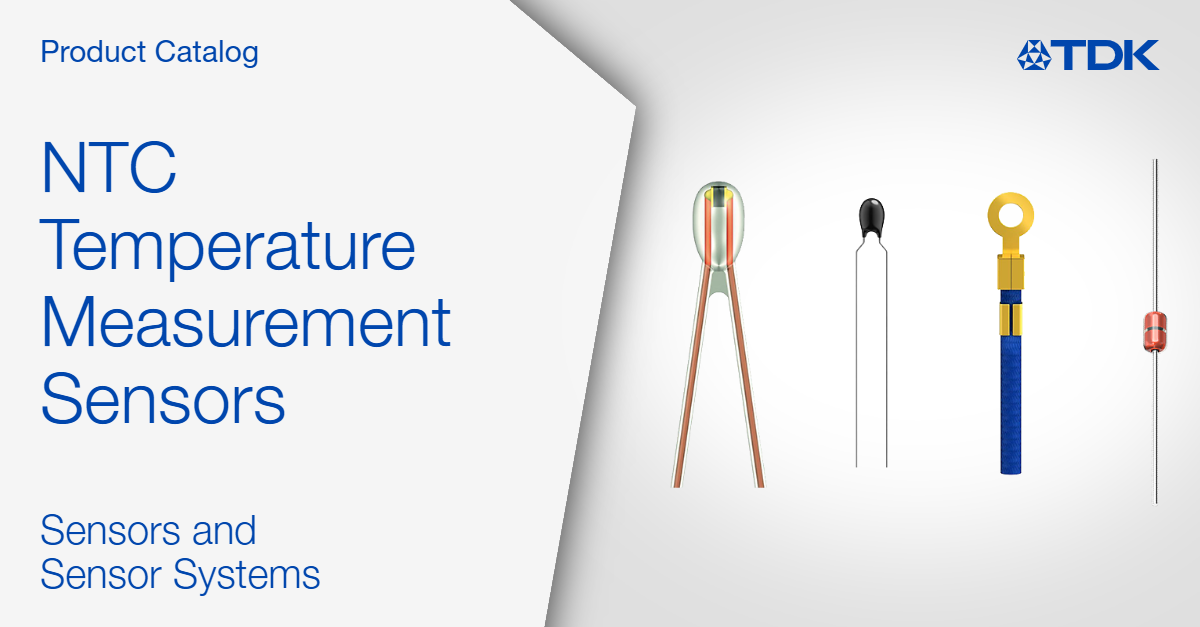
TDK has introduced two thermistor assemblies for high voltage equipment. The M704 supports up to 4,000 V AC, while the M705 offers metal-tag mounting and a higher maximum operating temperature.
-

Melexis has introduced programmable Hall sensing for remote vehicle endpoints. The MLX92342 reports sensor states and faults over two wires, with an optional boardless package.
-
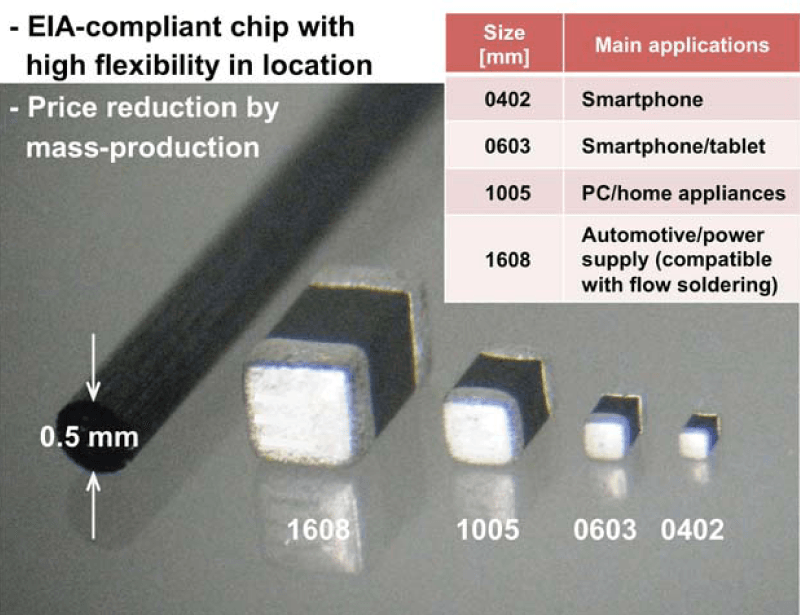
Murata has developed a smaller thermistor for dense electronic assemblies. The NCU01 occupies approximately 60% less mounting area than its predecessor while retaining ±1% resistance and B-constant tolerances for temperature monitoring.
-
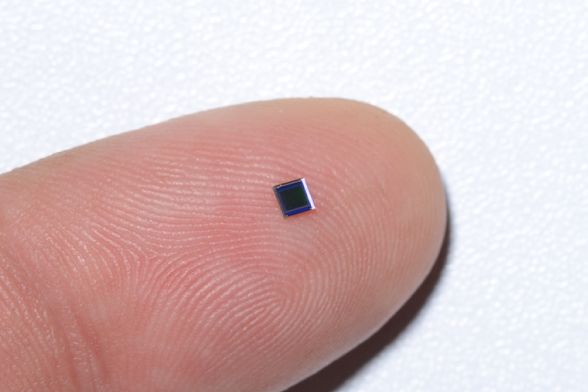
Sony has developed a miniature image sensor for disposable endoscopes. The IMX742 provides 720 × 720 pixels, supports up to 60 fps, and has transmitted digital video over five metres using AWG44 cable in Sony’s evaluation environment.
-
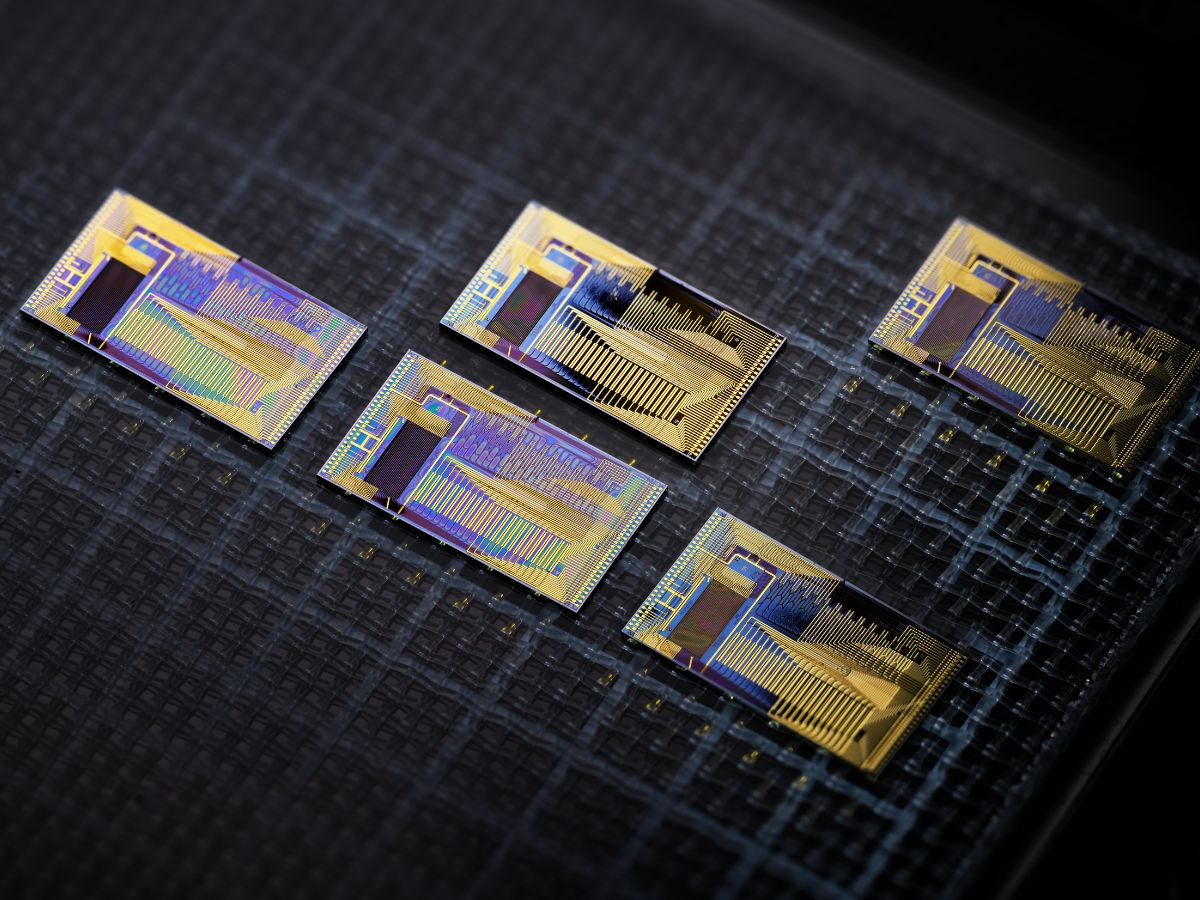
Amsterdam venture EpoQ has won PhotonDelta’s global photonics engineering competition. The reported winning proposal uses integrated photonics for a trapped-ion atomic clock, with access to development services and a conditional investment opportunity.
-
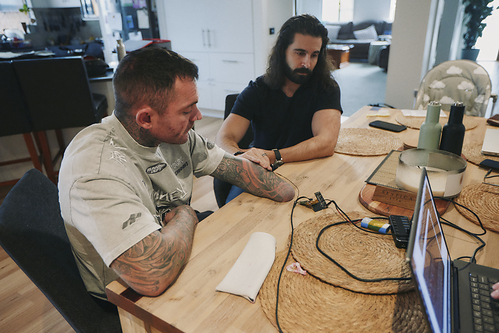
Phantom Neuro has begun human implantation of wireless prosthetic-control sensors. Initial participants in its Australian CYBORG study have received subcutaneous muscle-sensing interfaces, with safety, usability and control performance subject to further evaluation.