
Category: Design engineering
-
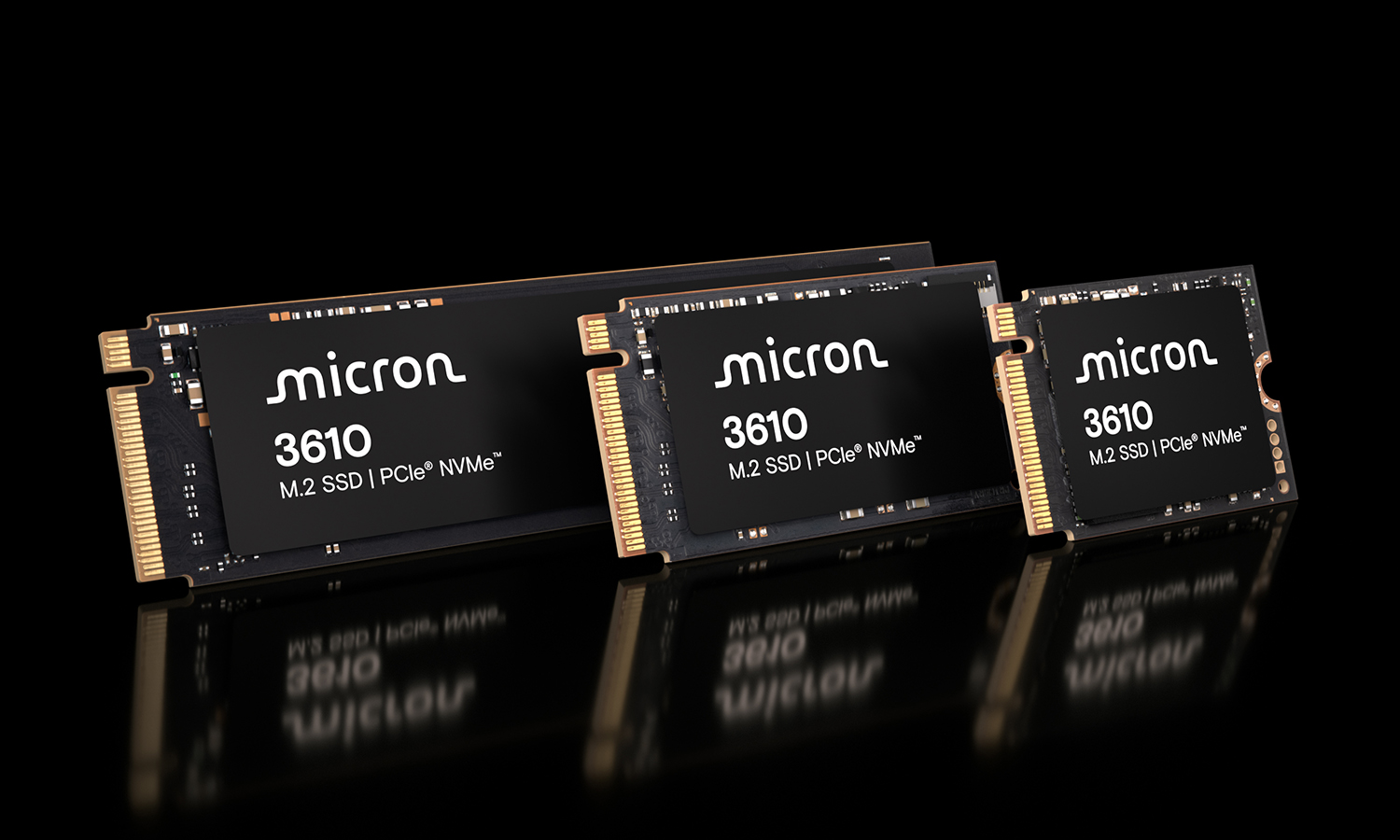
Micron has launched its 3610 Gen5 QLC client SSD line. The drive combines PCIe Gen5 throughput, up to 4TB capacity, and stronger performance per watt for thinner AI-ready systems.
-
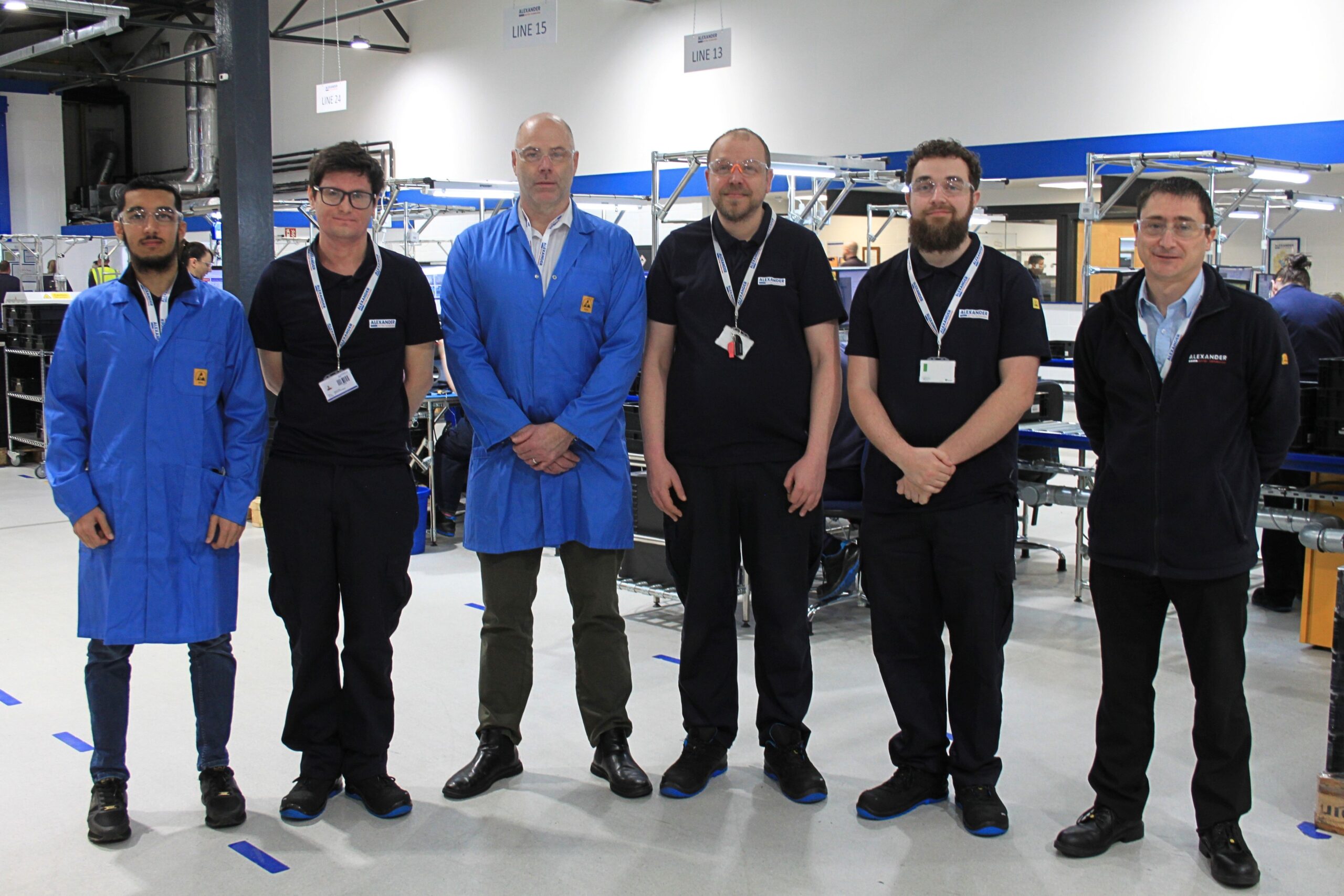
Alexander Battery Technologies is expanding its battery engineering bench strength.
-

Beko is putting AI deeper into the appliance development stack. Its latest R&D push points to a market where white goods are becoming connected, updateable electronics platforms shaped as much by software and sensing as by mechanics.
-
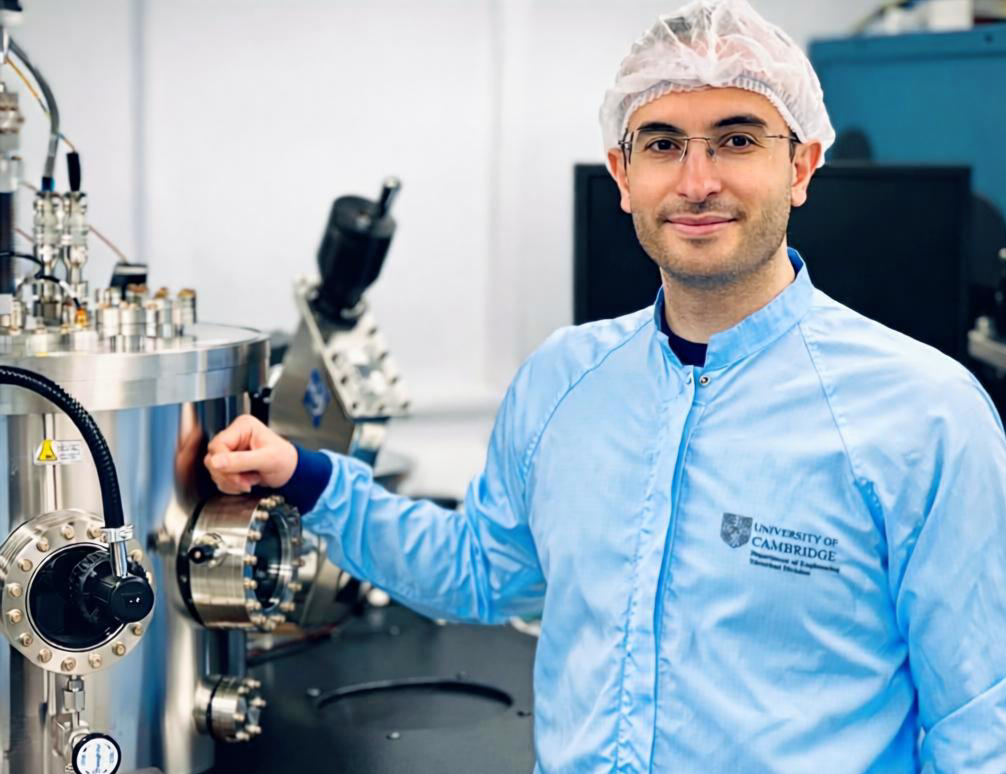
AI hardware efficiency is pushing materials science back into focus. Cambridge researchers have developed a hafnium oxide memristor that could cut energy use in analogue in-memory computing.
-
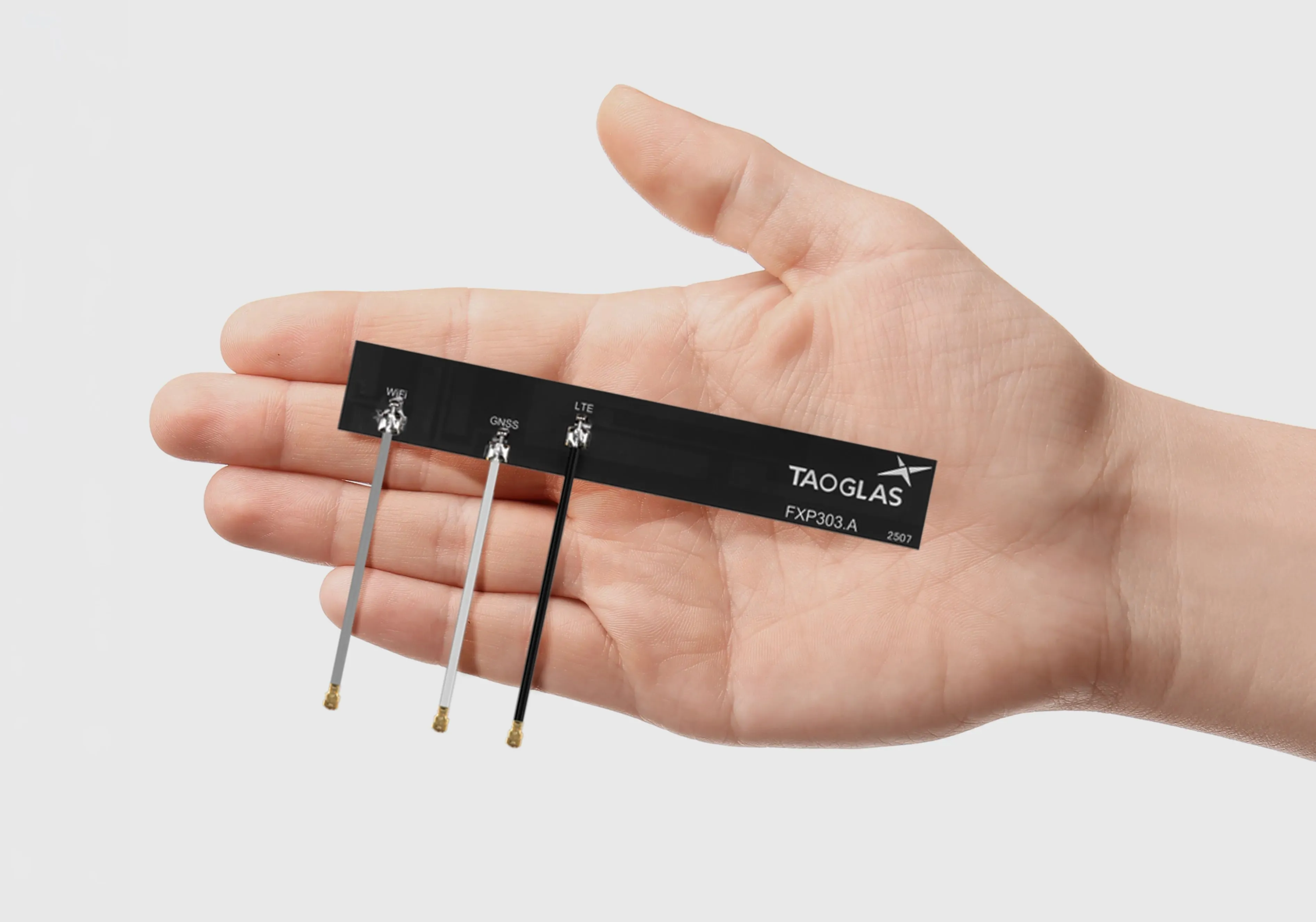
Taoglas is shrinking multi-radio antenna integration into tighter device footprints. Its new FXP30x and PC30x families combine cellular, GNSS, and Wi‑Fi support in flexible and rigid PCB formats for compact connected products.
-

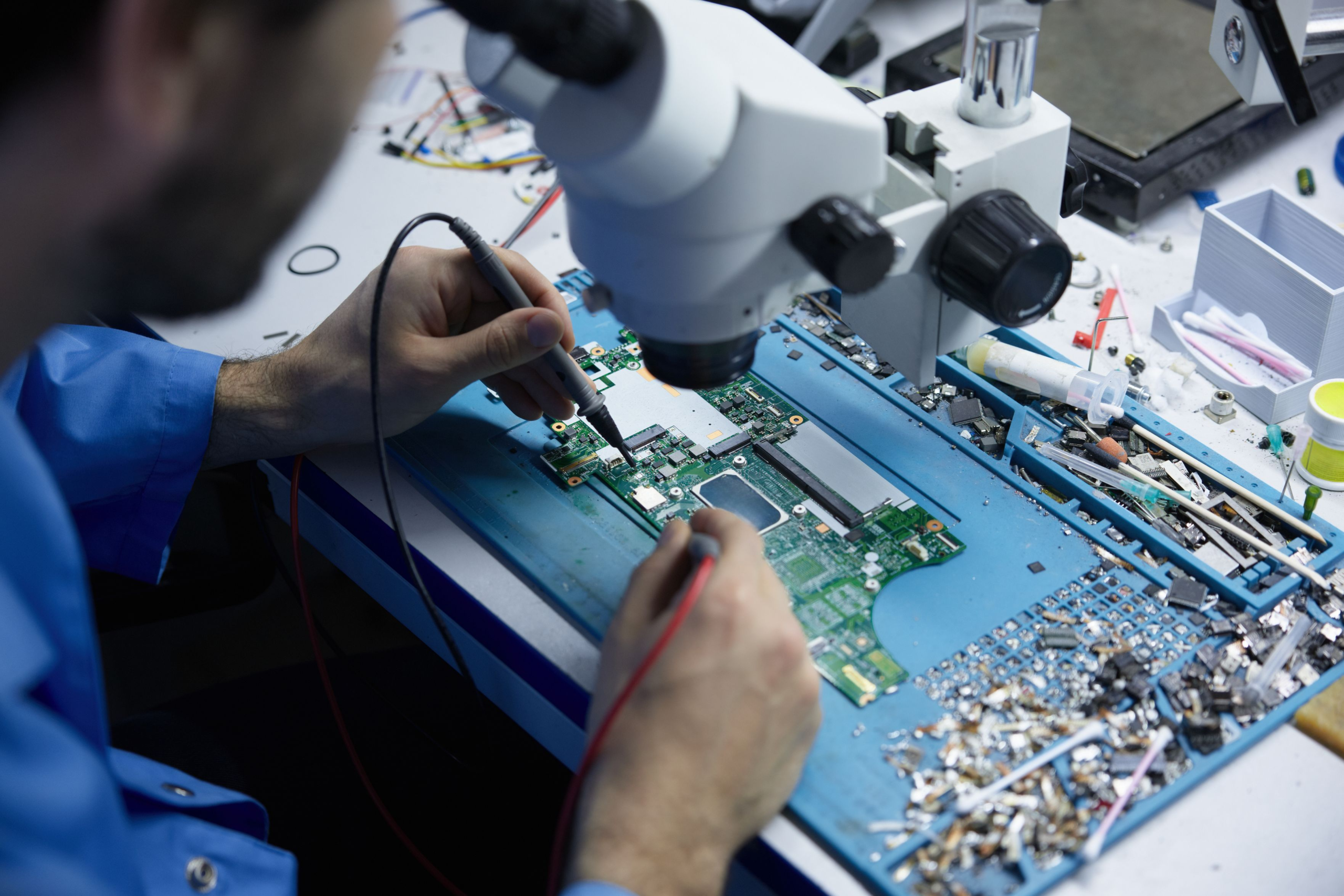
Legacy electronics support increasingly depends on recovering lost board data. Wonderful PCB is expanding reverse-engineering services aimed at rebuilding undocumented designs for medical and industrial hardware.
-
Sensor authenticity is becoming a hardware problem, not software alone. ETH Zurich has built a chip that signs data at capture to help expose manipulated media.
-
Cloud-streamed XR is moving into mainstream engineering workflows today. NVIDIA’s CloudXR 6.0 support in visionOS lets Apple Vision Pro access remote RTX compute for high-end 3D, simulation, and design-review sessions.
-

Semiconductor education is shifting toward lab-ready workflows and measurement discipline. Keysight’s new university packages bring device test, on-wafer analysis, and photonic IC measurement into structured teaching labs.
-
Zel Components has launched a new platform for certified sourcing. The site combines sample-led evaluation, vetted manufacturing partners, and local inventory to widen access to alternative parts across Europe.