
Category: News
-

TSMC is widening COUPE bandwidth through two silicon photonics paths. The roadmap increases channel rates and channel counts while adding wavelength multiplexing and deeper heterogeneous integration for AI interconnects.
-
Indichem has opened a high-purity semiconductor materials plant in Korea. The KRW30bn operation combines Indian chemical synthesis with Korean purification, R&D, and pilot production for materials requiring parts-per-billion contamination control.
-
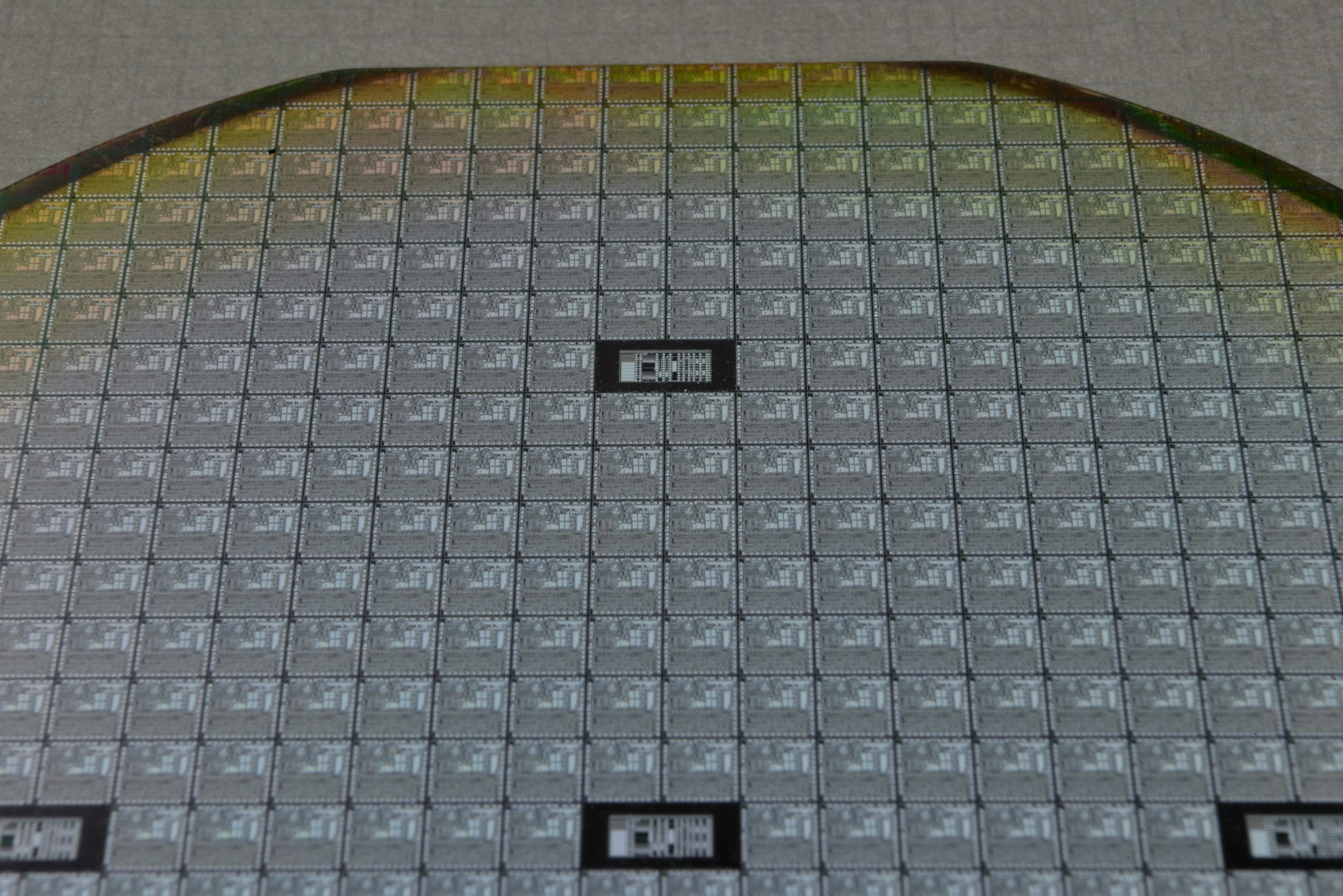
Lion Micro plans new 300mm silicon wafer capacity in Jiaxing. The CNY3bn project targets 200,000 lightly doped substrates and 120,000 epitaxial wafers monthly, adding further large-diameter capacity to China’s semiconductor materials sector.
-
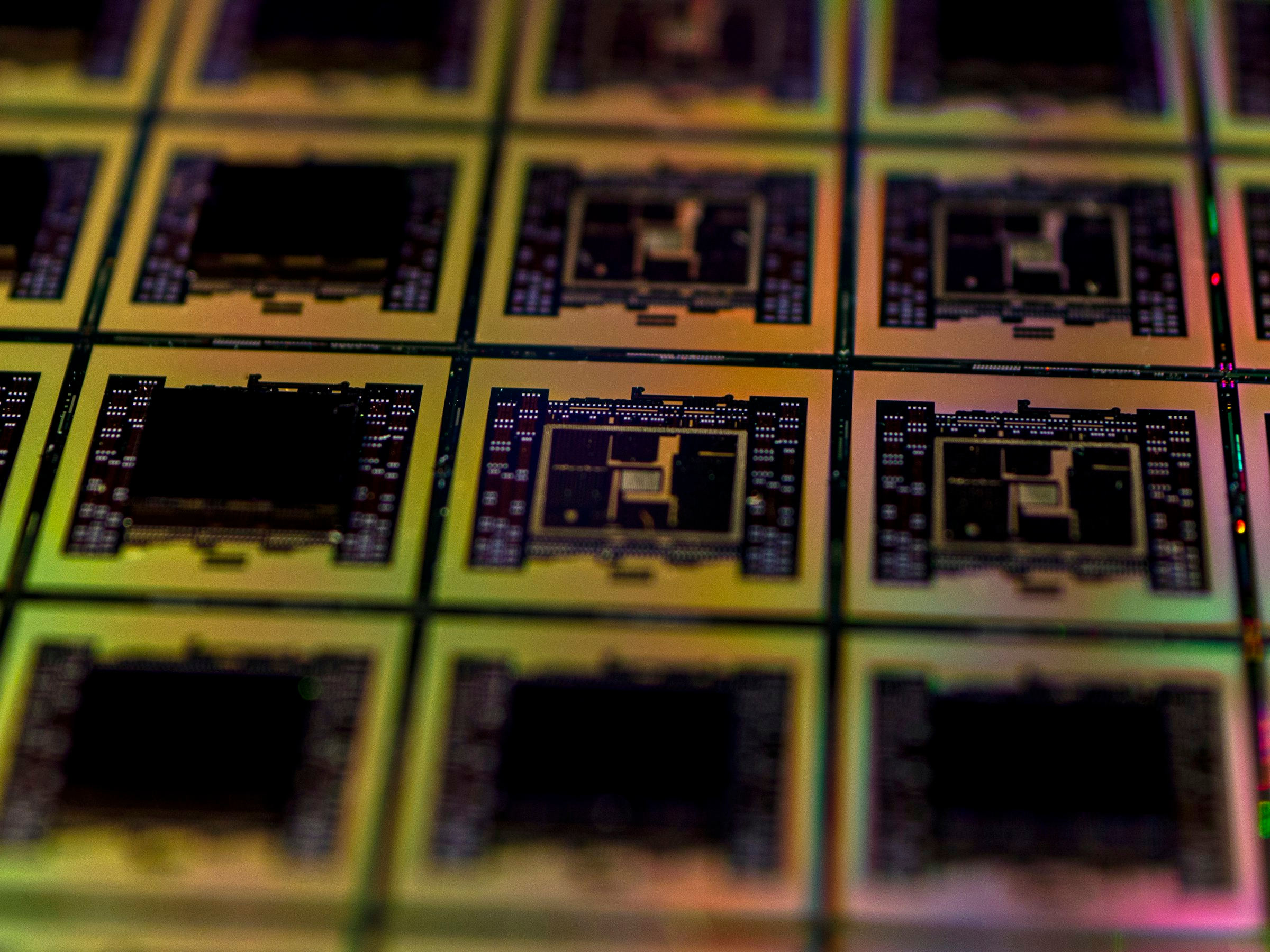
Taisic has produced a 12-inch SiC boule using domestic equipment. The development links the company’s substrate operation with a Kenmec-developed crystal-growth furnace, while published evidence complicates claims that it is Taiwan’s first 300mm SiC crystal.
-
CXMT has moved its LPDDR6 memory technology into volume production. The Chinese DRAM manufacturer specifies speeds reaching 12,800Mbps and capacities up to 16GB, with Xiaomi providing the first announced deployment.
-
Pragmatic is deepening its China push around flexible semiconductor technology. The UK manufacturer is pairing a new Chinese identity and NFC demonstrations with further production expansion at its County Durham fabrication site.
-
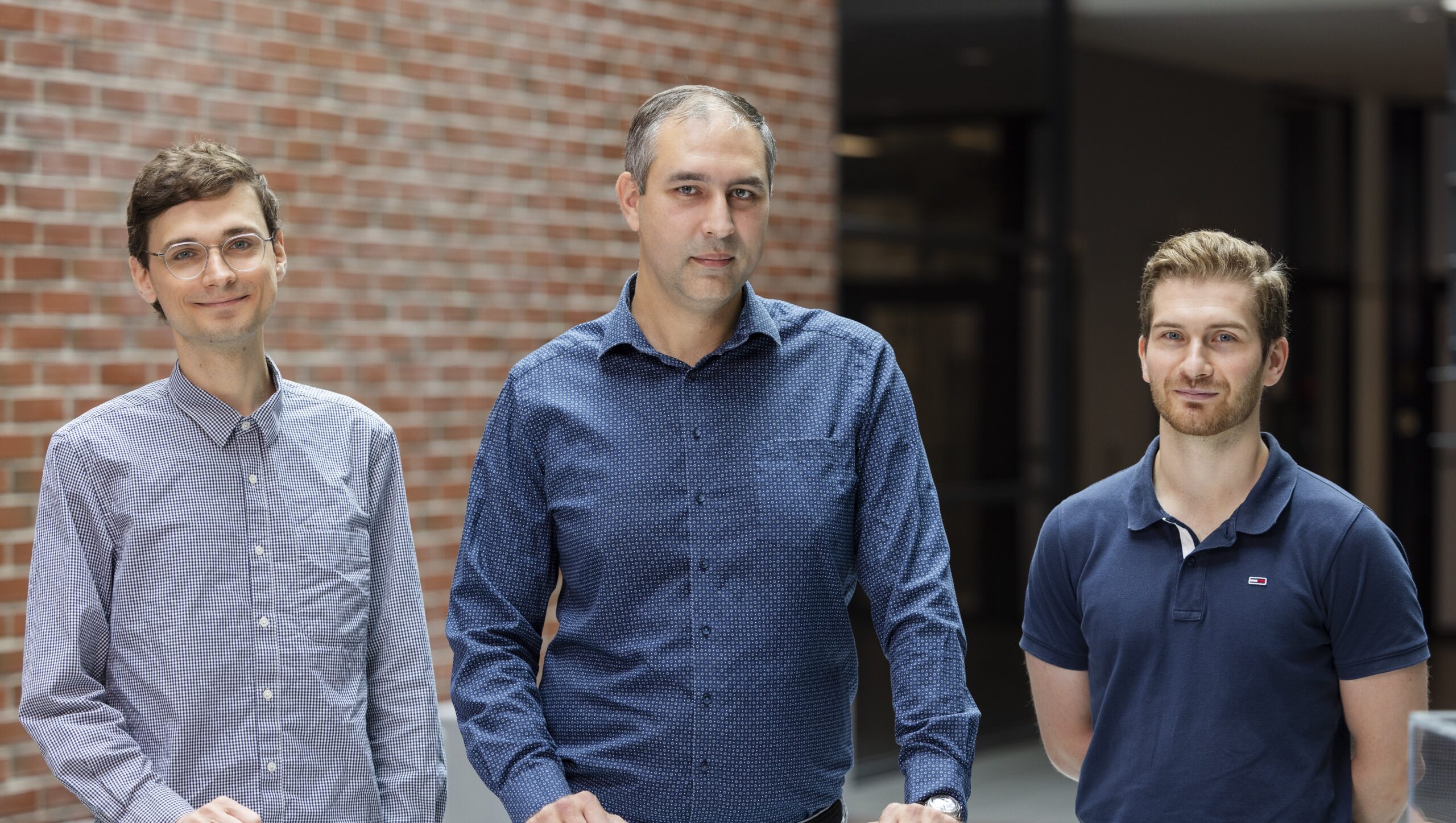
Finnish startup S-Transistors has raised €2.6m for superconducting electronics development. The VTT spinout plans cryogenic control prototypes, a pilot manufacturing line, and an initial multiplexer aimed at quantum-computing systems.
-
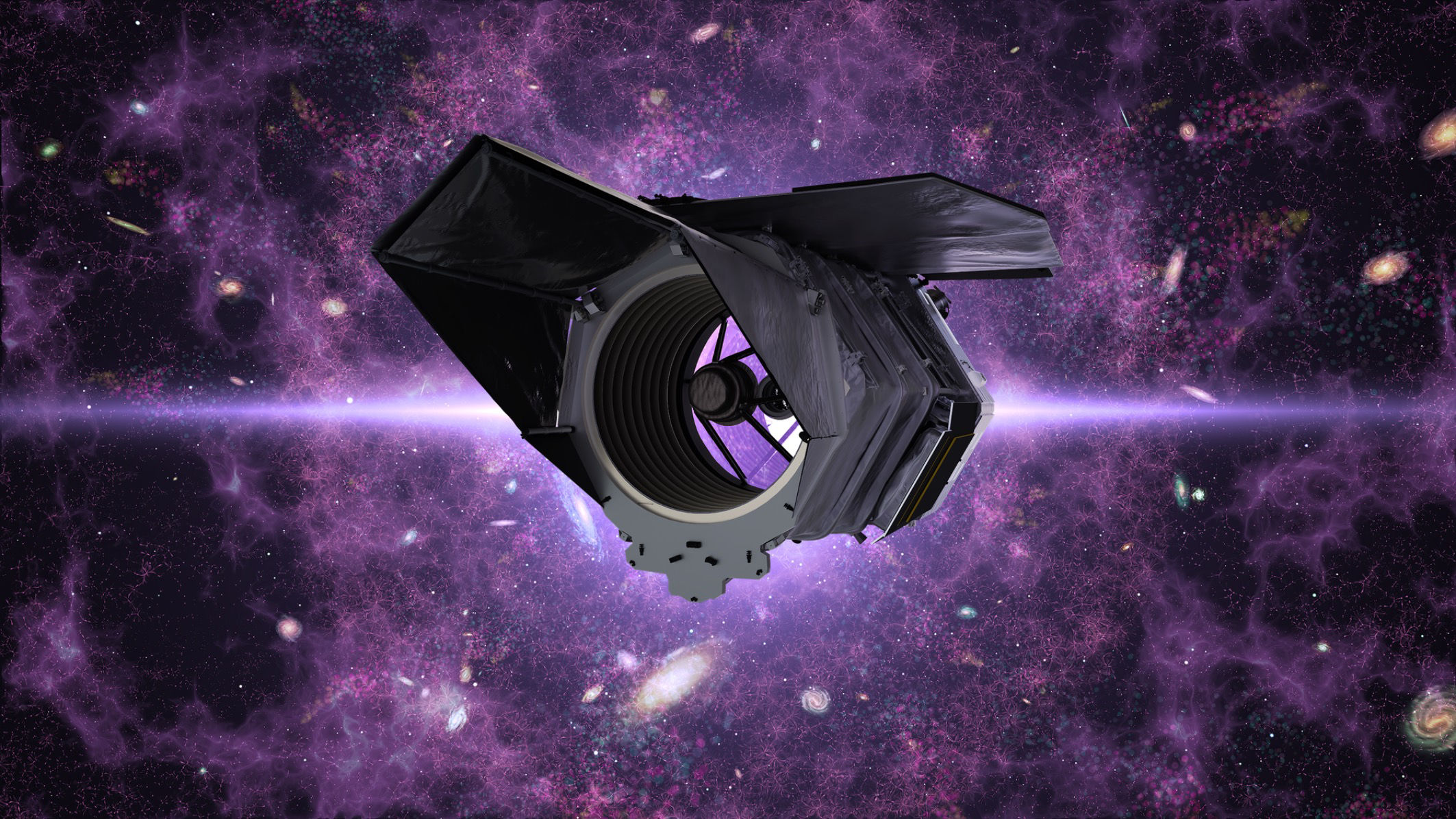
Infineon HiRel devices support NASA’s newly launched Roman telescope mission. Radiation-hardened power semiconductors will operate at Sun-Earth L2, where reliability under ionising radiation and single-event effects is critical to sustained spacecraft operation.
-
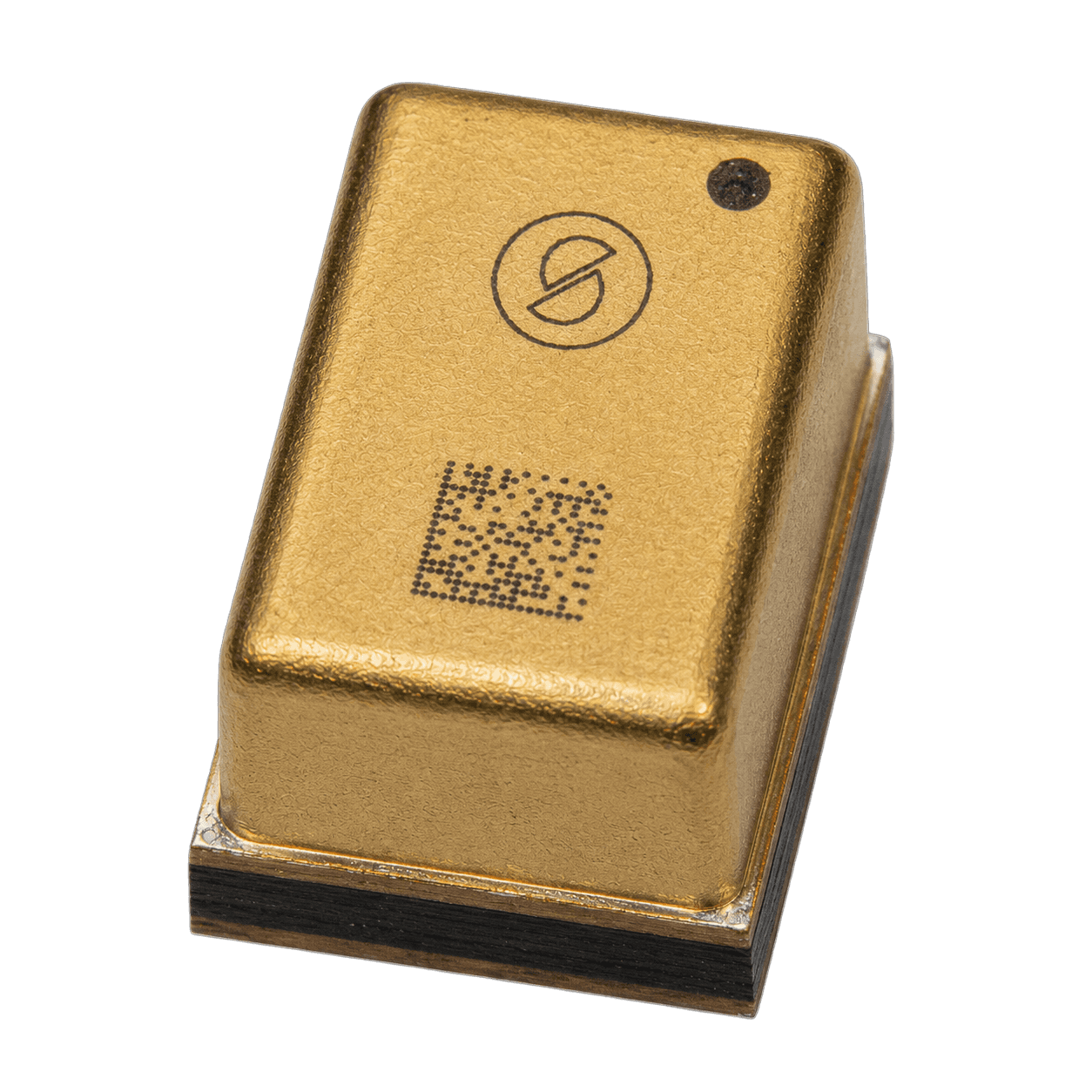
sensiBel has pushed optical MEMS microphone performance to new levels. The SBM140B combines 84dBA SNR, 146dB SPL acoustic overload capability, and 24-bit digital output, with production scheduled for the first quarter of 2027.
-
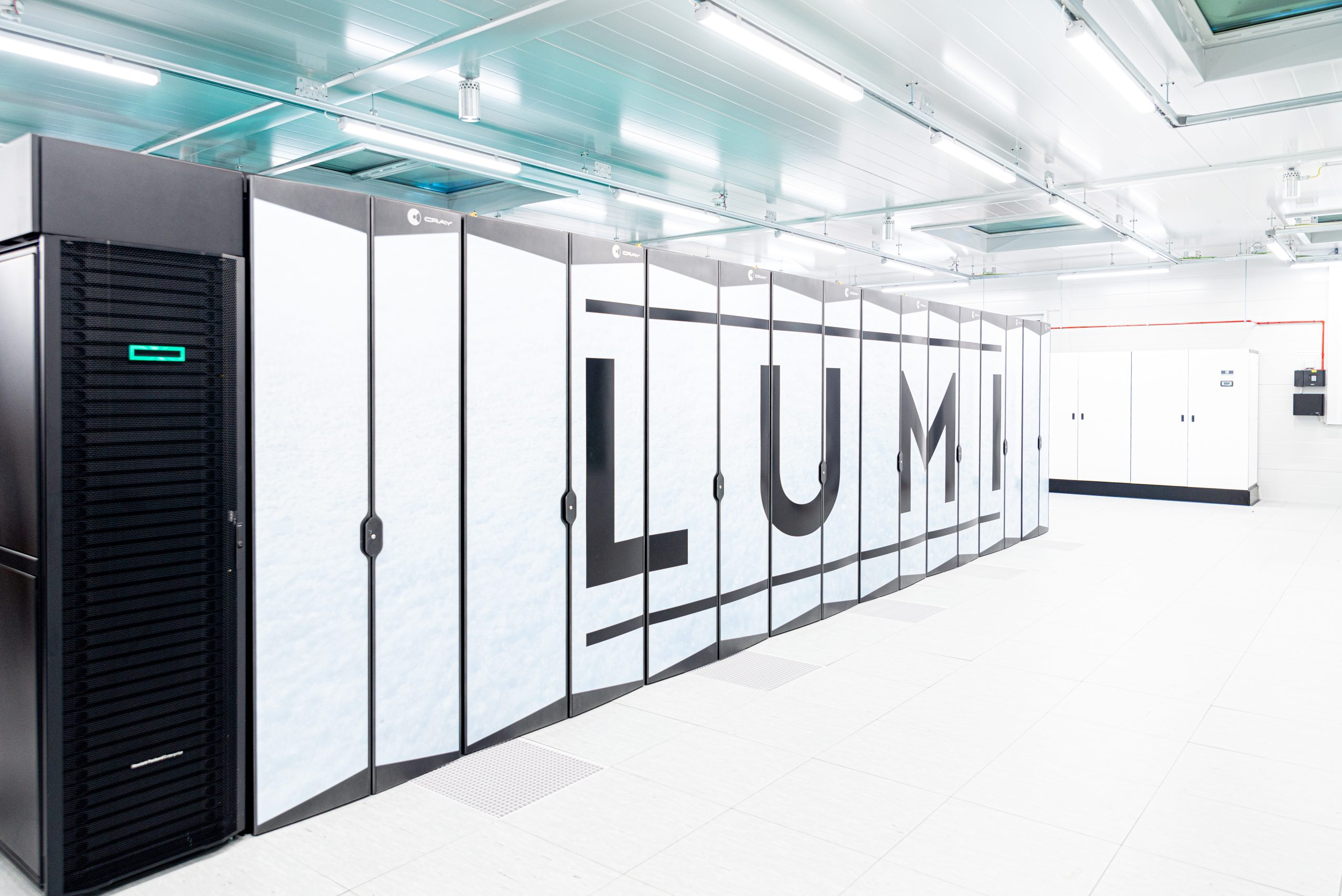
AMD will power Finland’s €387.8m LUMI-AI supercomputer with next-generation silicon. Instinct MI430X GPUs and 256-core sixth-generation EPYC processors underpin a BullSequana XH3500 system scheduled for deployment during 2027.