
Category: Design engineering
-

IQE has secured a $14m wafer order for AI infrastructure. Production at Newport will support high-speed storage, optical communications, and data-centre systems.
-
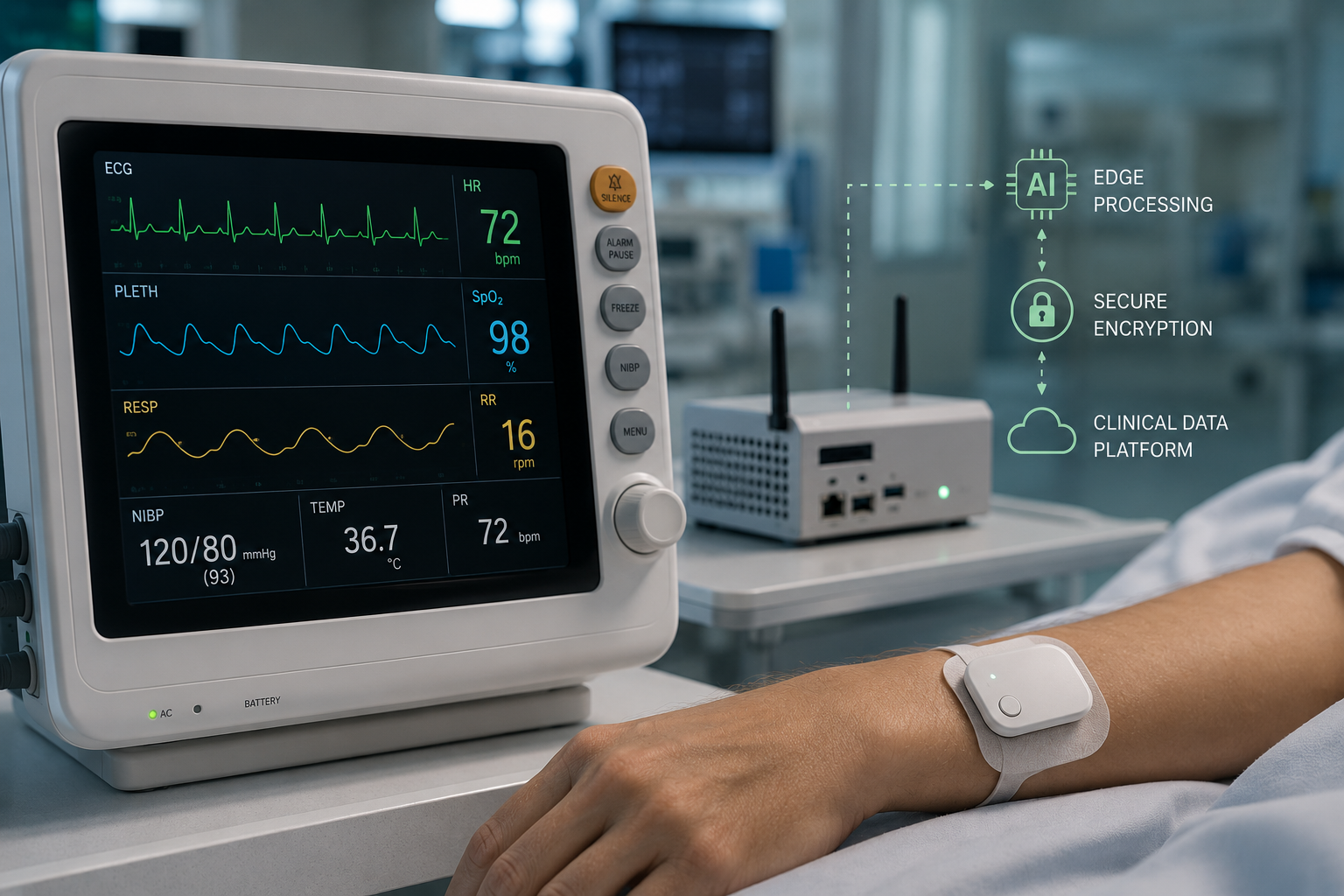
HistoSonics has secured European approval for its image-guided histotripsy system. The clearance opens a phased rollout for non-thermal treatment of selected liver tumours.
-
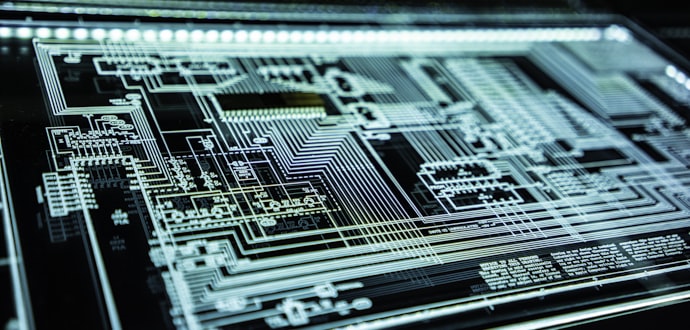
Prima Electro will debut its custom electronics capability at Farnborough. Its offer spans embedded systems, power electronics, industrialisation, manufacturing, and programme support.
-
Rohde & Schwarz combines fast capture with mixed-domain EMC debugging. The MXO 3 links waveform acquisition, spectrum analysis, and high-resolution measurements for earlier fault isolation.
-
Spain is connecting domestic semiconductor research, design, and manufacturing projects. The programme spans RISC-V chiplets, analogue IP, prototyping, materials, and edge processing.
-
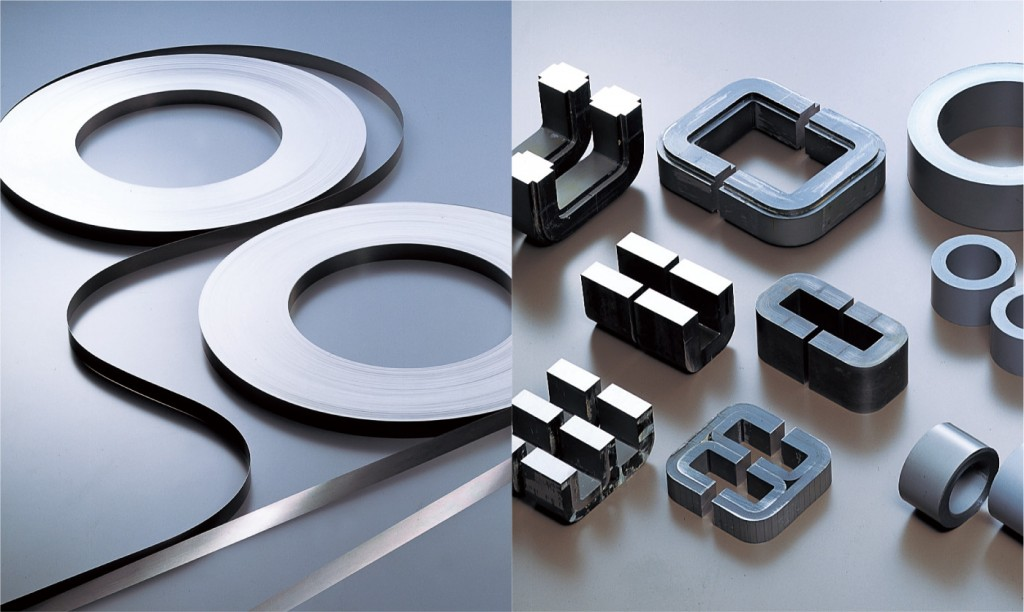
Nippon Kinzoku is expanding ultra-thin electrical steel for efficient motors. Laminations below 0.1mm are intended to reduce high-frequency core losses in compact motors, transformers, reactors, compressors, and power-conversion equipment.
-
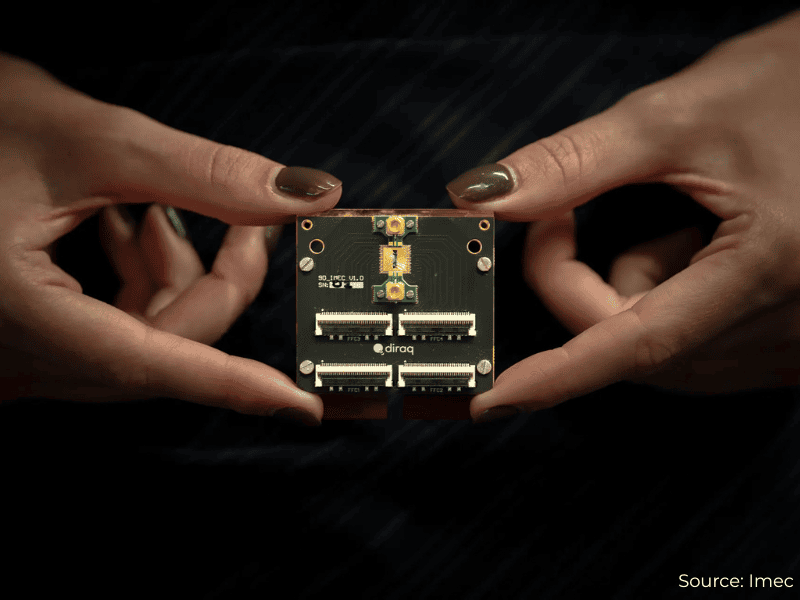
Imec and Diraq have expanded silicon spin-qubit control to eight. The 300mm CMOS-compatible array combines coherent operation, shared readout, and adjacent two-qubit gates while exposing the manufacturing demands that will shape larger quantum processors.
-

PerkinElmer and Covalent are combining instruments with specialist failure analysis. The collaboration targets ultra-trace contamination, corrosion, solder deterioration, organic degradation, and material failures across semiconductors, electronics, and batteries.
-
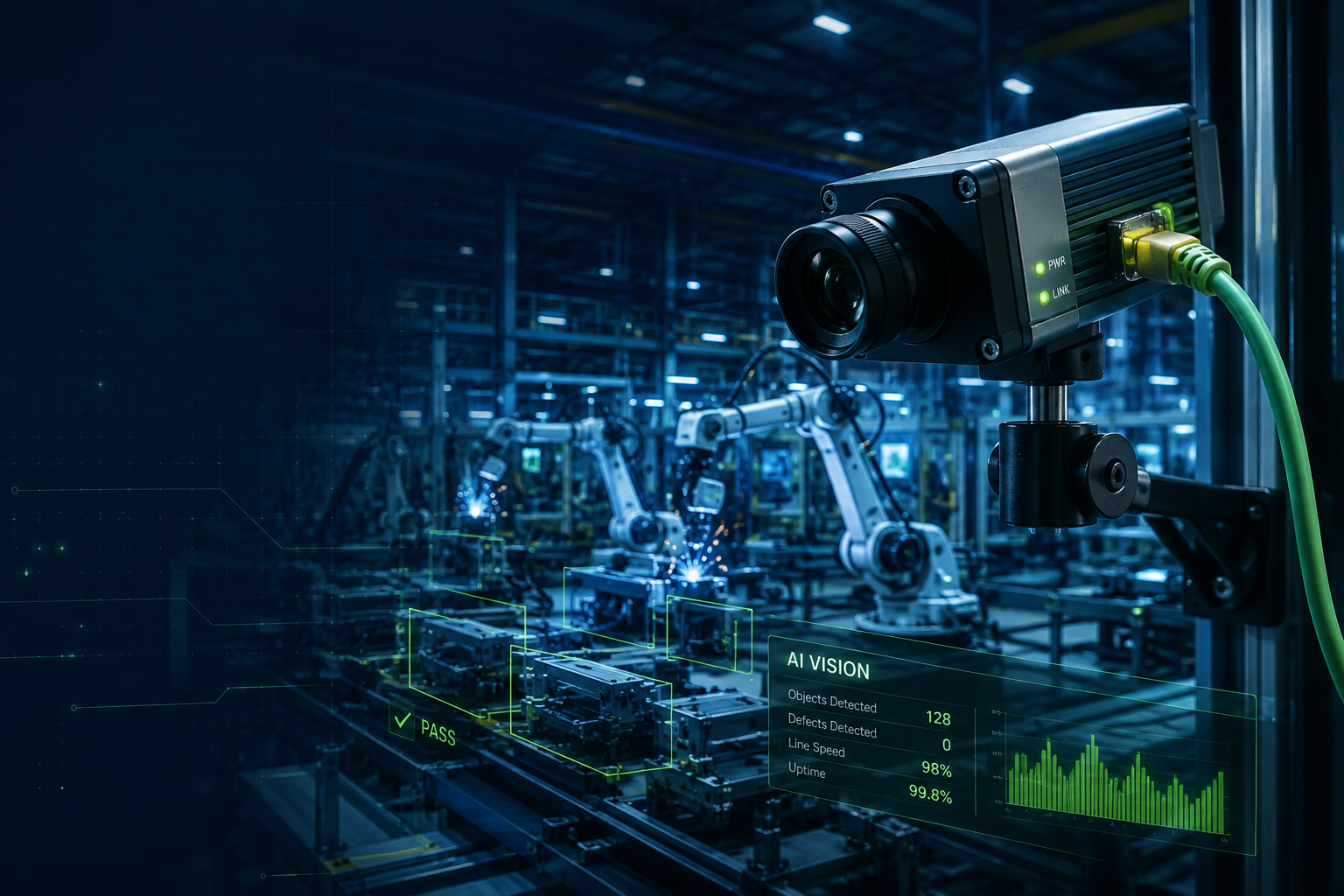
Forwessun will distribute TRI board-test systems throughout the United Kingdom. The agreement combines test hardware with UK-designed fixtures, software, installation, maintenance, and production-lifecycle support.
-
Technosert has automated PCB depaneling using ASYS precision production technology. The installation adds adaptive control, complete cut inspection, tool management, and connected-factory interfaces for regulated electronics production.