
Category: Design engineering
-
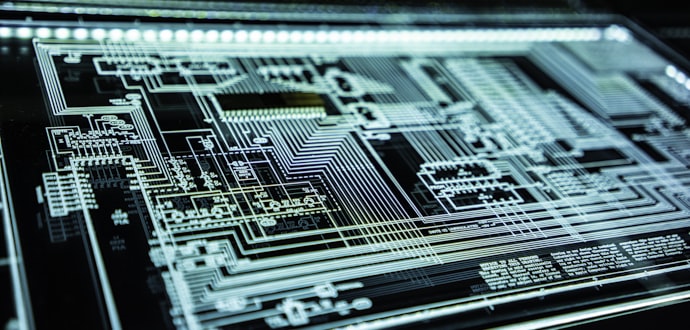
HFI is building a consistent pre-boot environment for RISC-V systems. The project adds hardware enumeration, setup, diagnostics, boot selection, and firmware flashing above U-Boot.
-

Cadence has extended agentic automation across PCB and package design. AuraStack coordinates planning, layout, manufacturability, and multiphysics analysis within one engineering environment.
-
Arduino has expanded Modulino for longer distributed embedded prototype networks. New boards add eight-branch I²C expansion, extended cabling, and local motor control.
-
ZEISS and SurFunction are industrialising laser-written functional metasurfaces across Europe. The collaboration targets optics, sensors, contacts, semiconductor equipment, thermal systems, and medical technology.
-
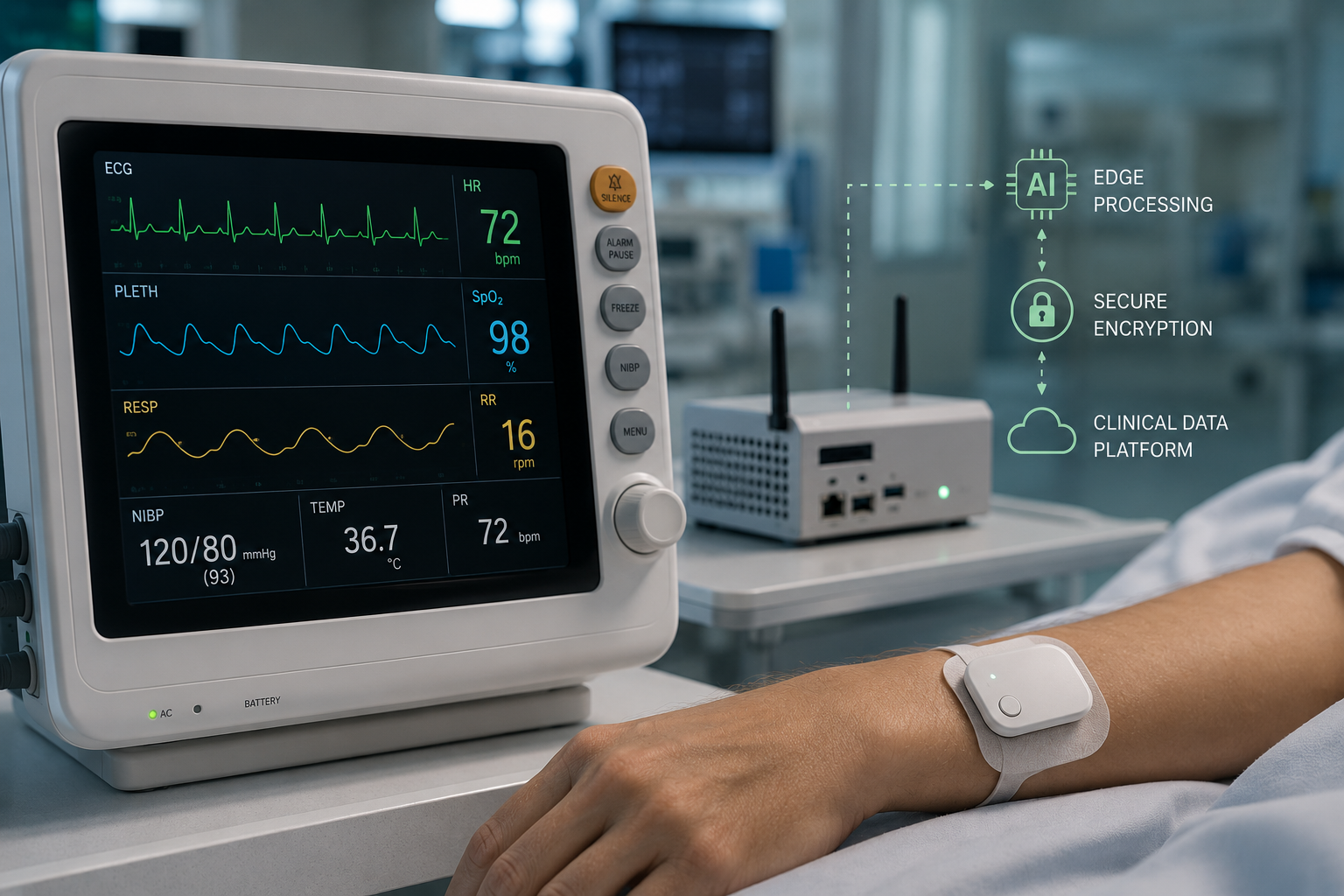
G&H will present integrated diagnostic-instrument development capabilities at ADLM 2026. Its work spans photonics, electronics, systems engineering, industrialisation, regulatory support, and ISO 13485 manufacturing.
-
Samtec has released a solderless angled RF launch reaching 67GHz. The 185-AL connector improves cable access around densely populated test boards while supporting repeatable, field-replaceable connections.
-
AI is becoming embedded within practical medical electronics systems. Roy Wills, VP, Head of Healthcare Business and Partnerships at Intellias, examines how edge processing, connected devices, diagnostics, and governance are reshaping healthcare technology.
-

Ansell has introduced a controlled-glare floodlight for outdoor padel courts. The Exa-C combines high efficacy, precision optics, and robust environmental protection.
-
Microchip has expanded FPGA edge-AI deployment with sparse-network acceleration tools. VectorBlox 3.0 targets lower memory traffic, power use, and inference latency.
-

Arm is extending automated hardware-security analysis across future CPU programmes. The work moves vulnerability detection earlier while preserving reusable assurance across designs.