
Category: Design engineering
-
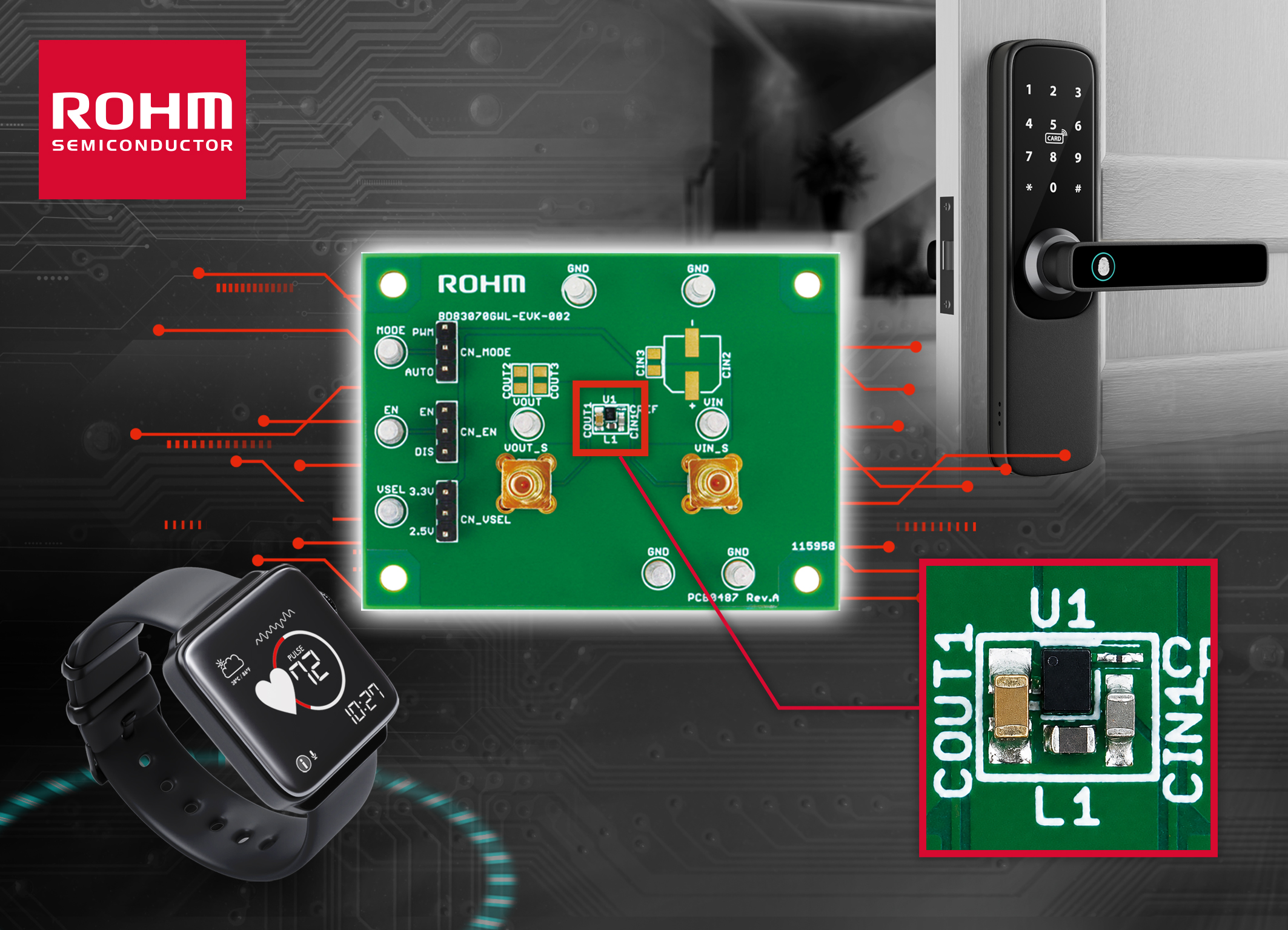
ROHM’s compact evaluation board reduces buck-boost converter mounting area substantially. The five-component reference design occupies 12.87mm² while retaining low quiescent current and high efficiency.
-

GDPR’s eighth anniversary puts IoT security design back under scrutiny. As connected device fleets expand, compliance is increasingly tied to secure identity, encrypted data, update support, supplier assurance, and lifecycle risk management.
-
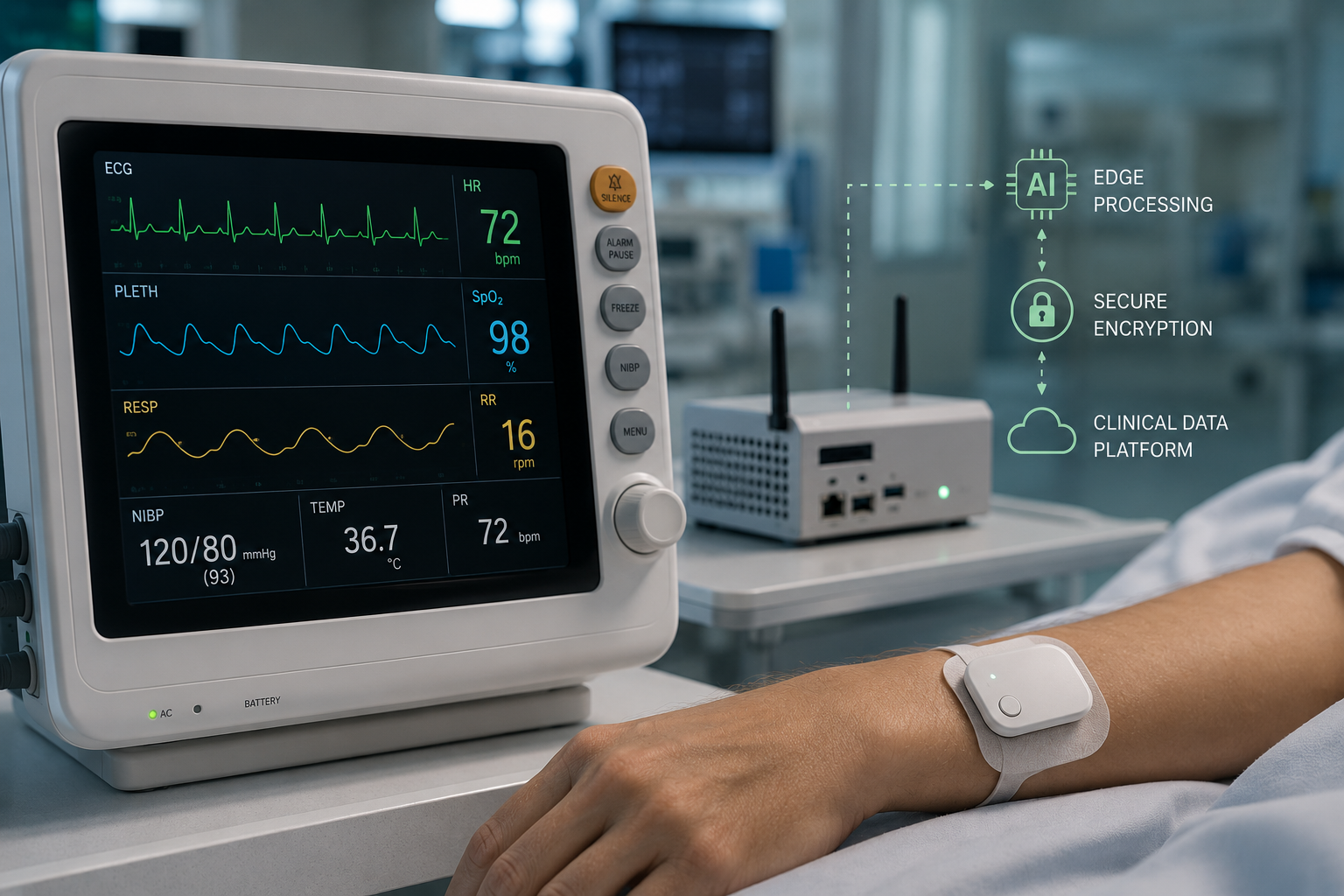
Philips has cleared a redesigned reusable pulse-oximetry sensor for America. Revised optical engineering and broader validation produced improved measurement consistency across evaluated patient groups.
-
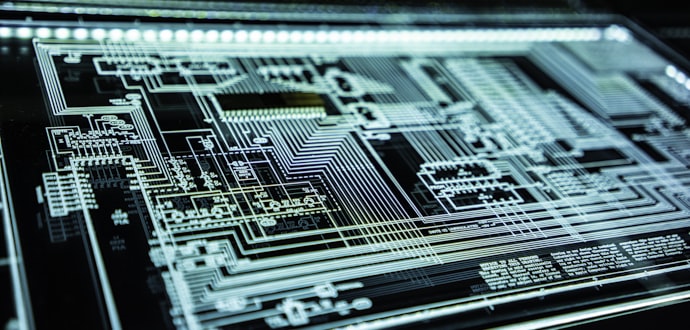
GÖPEL has automated boundary-scan programme generation within CASCON 4.11 software. The release also expands analogue measurement, netlist analysis, and processor-emulation functions.
-

Europe’s processor programme has completed its second major development stage. Demonstrations covered Rhea1 silicon, RISC-V acceleration, scientific software, design tools, and memory compression.
-
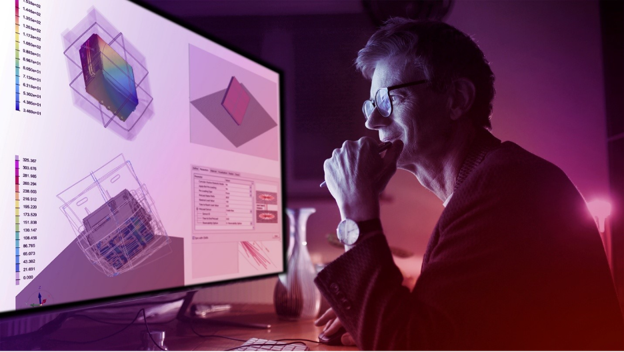
Keysight is bringing guided structural simulation into electronics development workflows. Multiphysics begins with drop, shock, and vibration analysis before prototyping.
-

Siemens is extending SoC automation through its Defacto Technologies acquisition. The deal connects RTL creation, implementation assessment, and verification within a broader EDA flow.
-
Drive System Design will build VÆRIDION’s twin-motor propeller transmission hardware. The architecture combines electrical redundancy with one shared propeller.
-
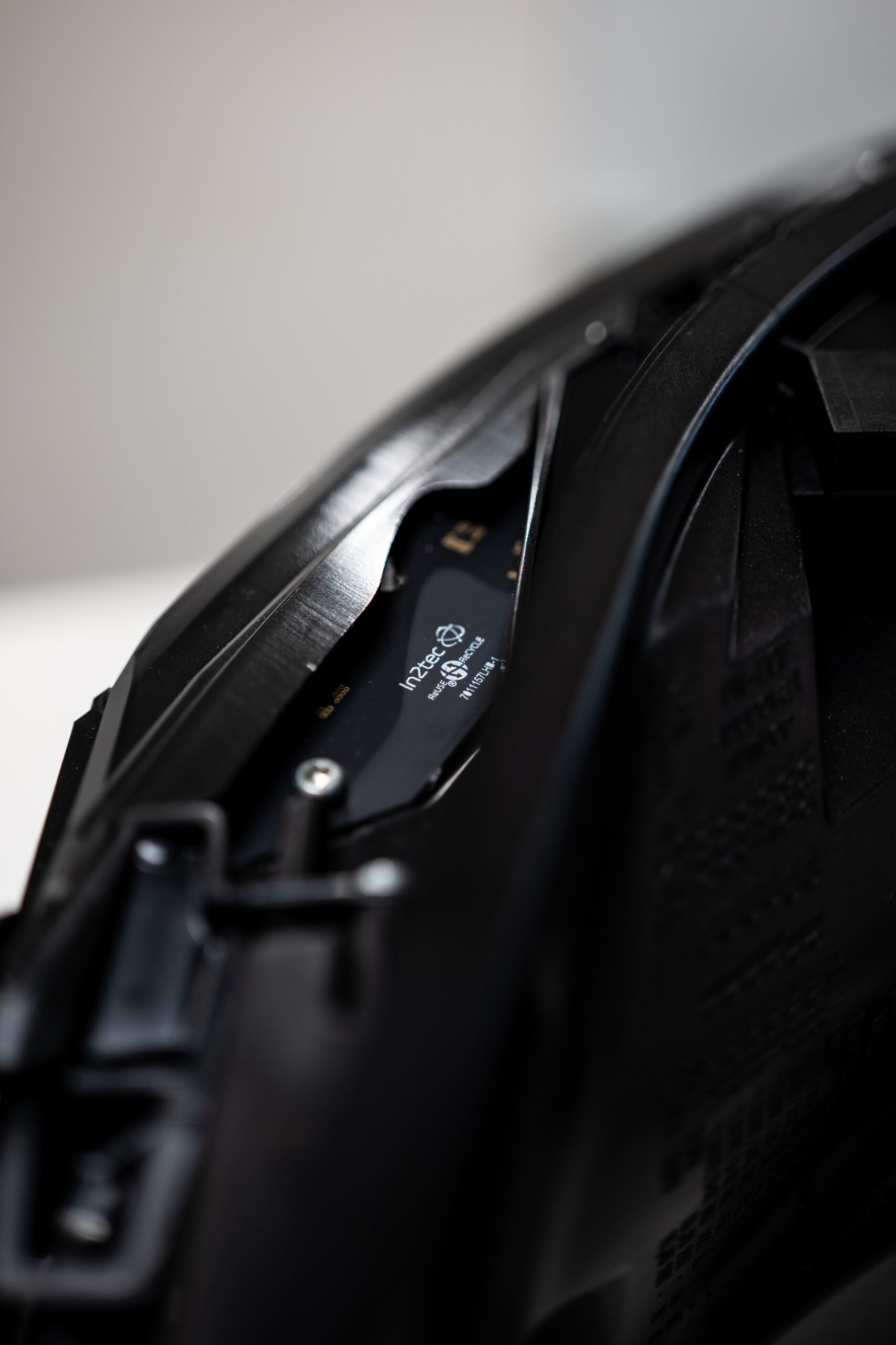
In2tec has made JLR headlamp electronics recoverable through reversible bonding. Project Cornerstone tests circular assembly methods under automotive conditions.
-
Siemens and Cloudberry are linking European deep-tech developers with industry. The collaboration combines validation environments, engineering support, and specialist capital.