
Category: Design engineering
-

Embedd has raised €2.3 million for semiconductor integration software development. Its platform uses digital hardware models and automation to accelerate embedded bring-up.
-
STMicroelectronics and NUS have opened a four-year edge-AI research laboratory. HELIX will develop memory-centric architectures, accelerators, and silicon implementations for physical AI.
-

Researchers have modelled silicon-hydrogen bond failure from single electrons directly. The nonadiabatic framework connects transient antibonding states with hot-carrier degradation and long-term device reliability.
-
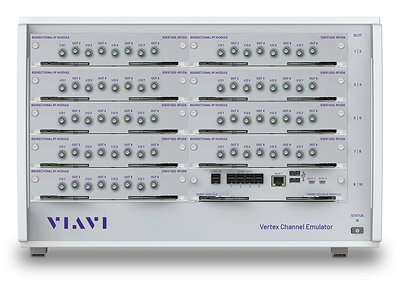
VIAVI has expanded Vertex channel emulation for emerging wireless systems. Version 6.0 adds wider bandwidth, FR3, Wi-Fi 7/8, NTN, and sensing-oriented test configurations.
-
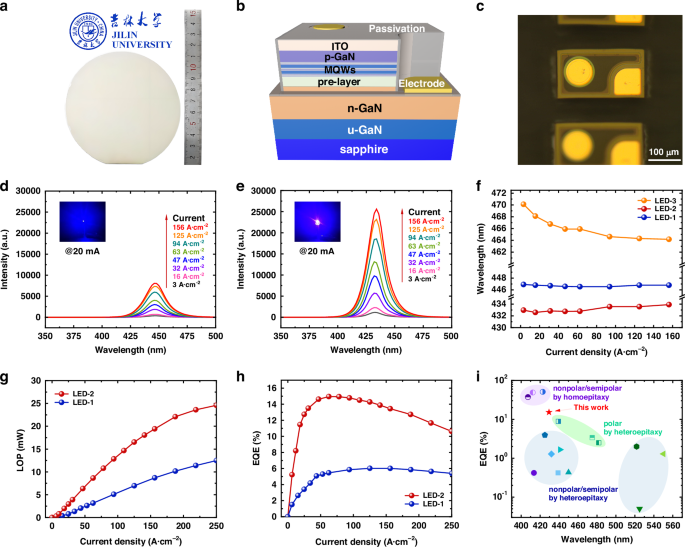
Researchers have improved weak-field GaN LEDs on manufacturable c-plane substrates. Digital-alloy quantum barriers reduced polarisation while preserving an industrial MOCVD-compatible epitaxial route.
-

Solinide has raised €4 million to scale silicon-nitride photonics production. The Swedish company is commercialising microcomb sources for lower-power optical interconnects in AI infrastructure.
-
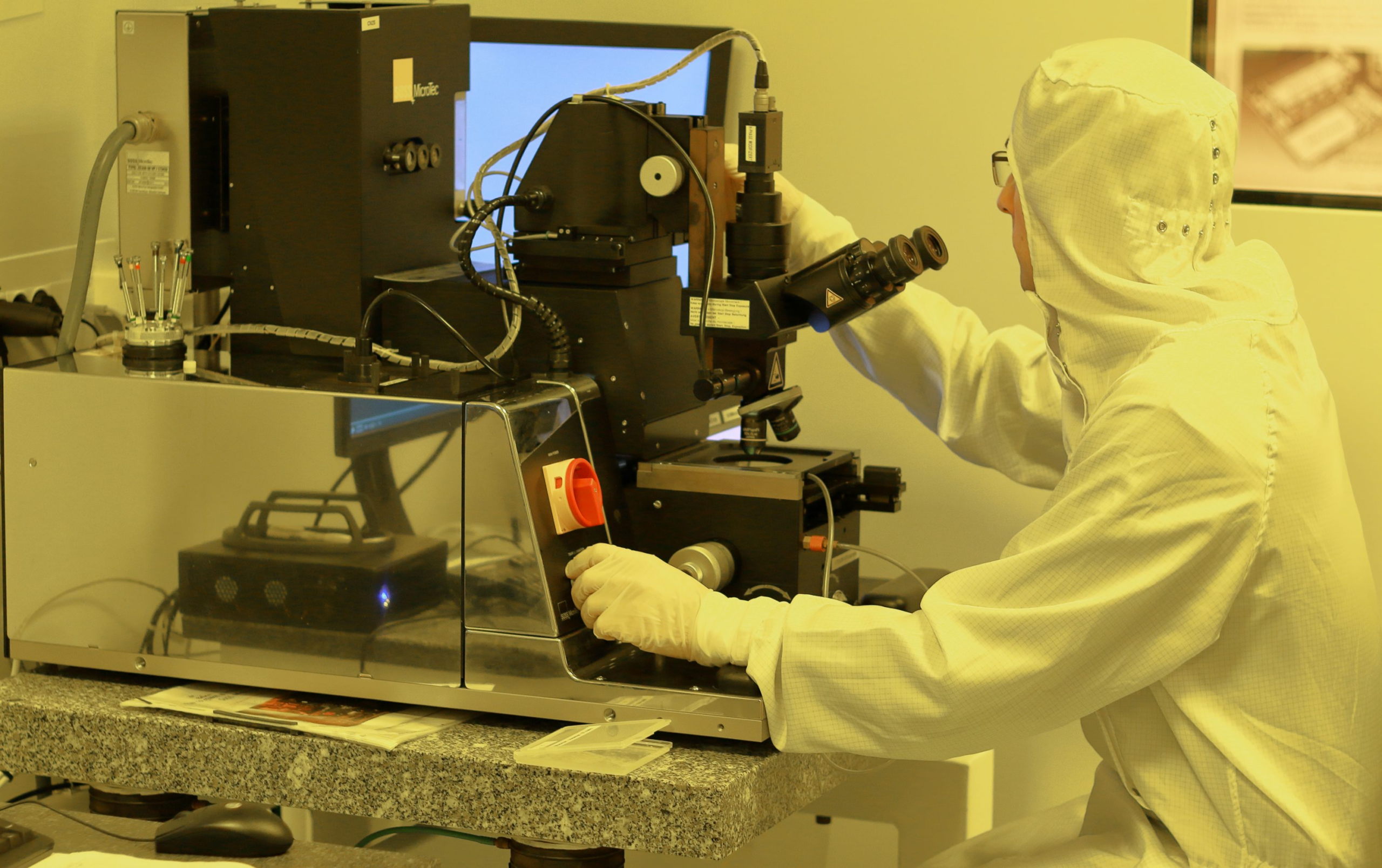
Silvaco and Dassault Systèmes are linking semiconductor manufacturing simulation workflows. The partnership connects plasma, feature-scale process, and structural models before engineers commit expensive fab resources.
-

SK hynix has mapped optical interconnect scaling beyond current HBM. The roadmap targets bandwidth, energy, and latency bottlenecks across next-generation AI compute and memory systems.
-
IBM has connected two cryogenic modules for larger quantum systems. The architecture is designed to support denser interconnects, multi-chip processors, and future fault-tolerant machines.
-

Researchers have reduced micro-LED efficiency losses at micrometre-scale dimensions substantially. The dry repair process also improves yield, ESD robustness, and performance down to 1.6µm.