
Category: News
-

Einride will evaluate NVIDIA Alpamayo within its autonomous trucking system. The company plans to adapt the reasoning model using freight operating data, then compare its decisions in shadow mode before a proposed road evaluation in the second half of 2027.
-

Altera demonstrates FPGA sensor streaming within an ultrasound imaging system. Its GTC Berlin installation combines Terasic hardware, Texas Instruments ultrasound electronics and NVIDIA Holoscan, providing a high-bandwidth acquisition path towards GPU processing.
-
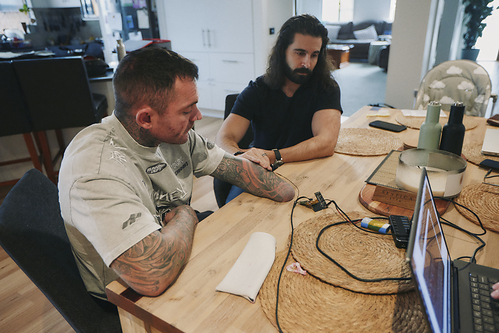
Phantom Neuro has begun human implantation of wireless prosthetic-control sensors. Initial participants in its Australian CYBORG study have received subcutaneous muscle-sensing interfaces, with safety, usability and control performance subject to further evaluation.
-
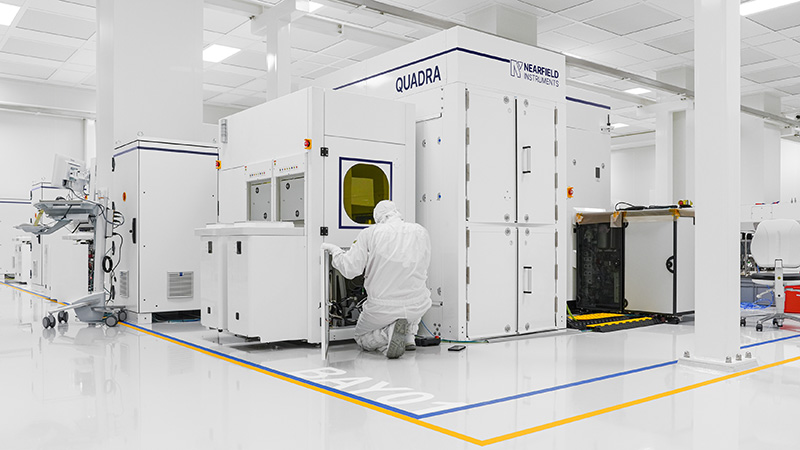
Axcelis has begun expanding semiconductor equipment manufacturing capacity in Korea. Its 20 October Pyeongtaek groundbreaking advances an existing $35 million investment plan, with manufacturing at the enlarged facility scheduled for the second half of 2028.
-
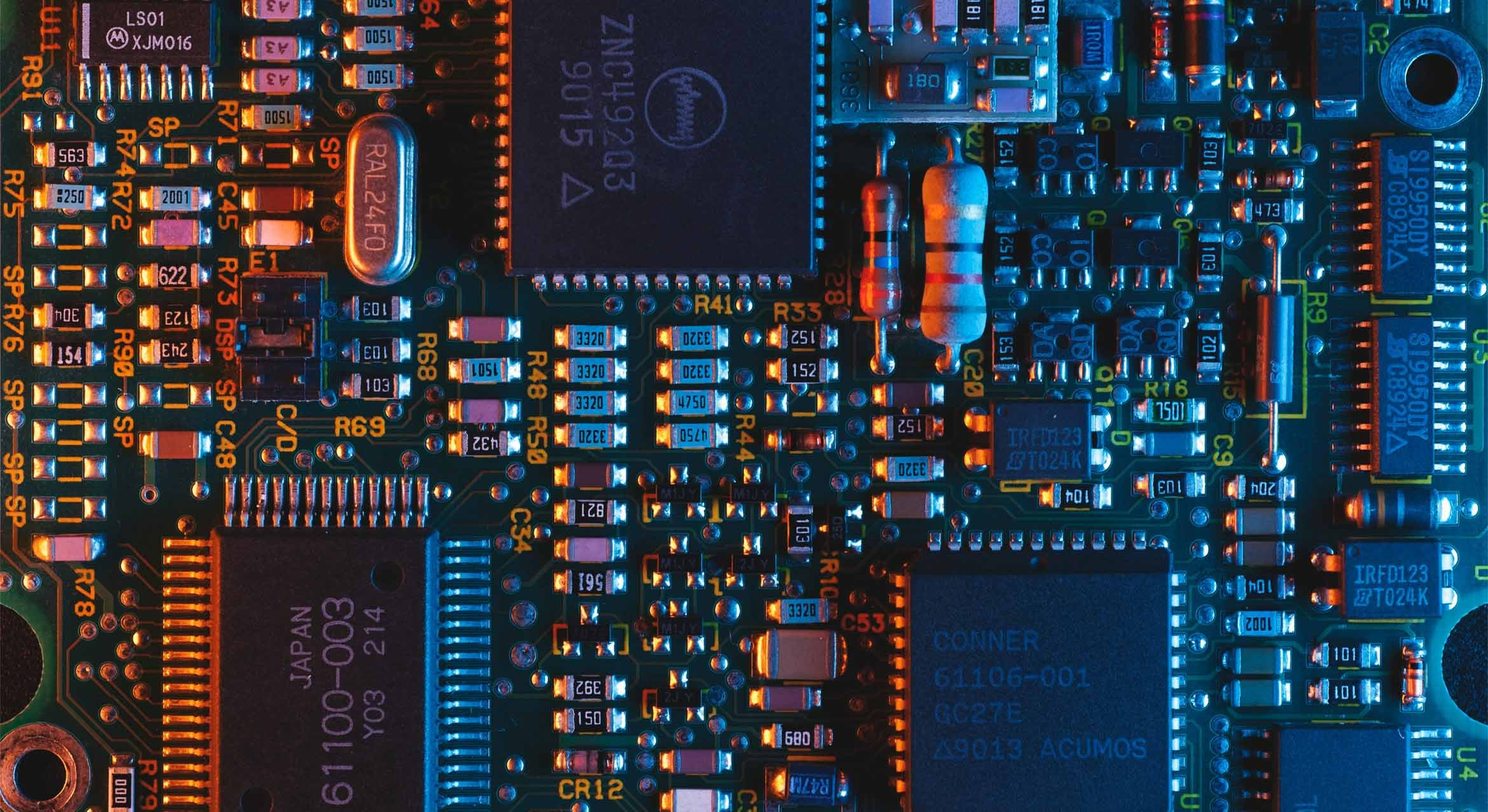
Synaptics has expanded its Coralboard family for embedded AI development. Coralboard SL is now orderable through DigiKey, while the new SR board uses a different processor class and shares the open-source Torq software environment.
-
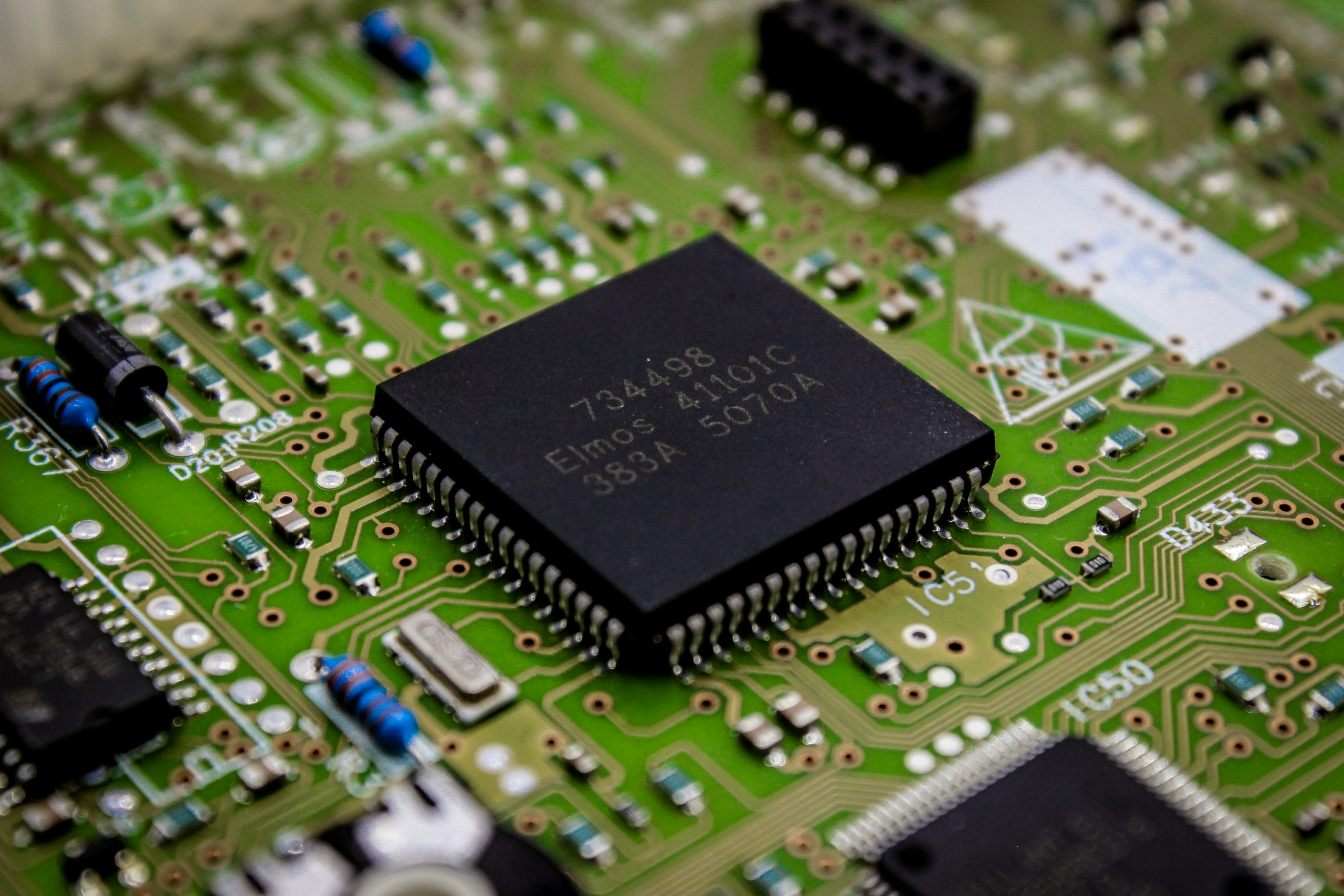
Google has completed its open Coral NPU processor architecture design. Its new 32-bit RTL includes a matrix execution unit; an open compiler and simulator provide development routes for custom silicon.
-
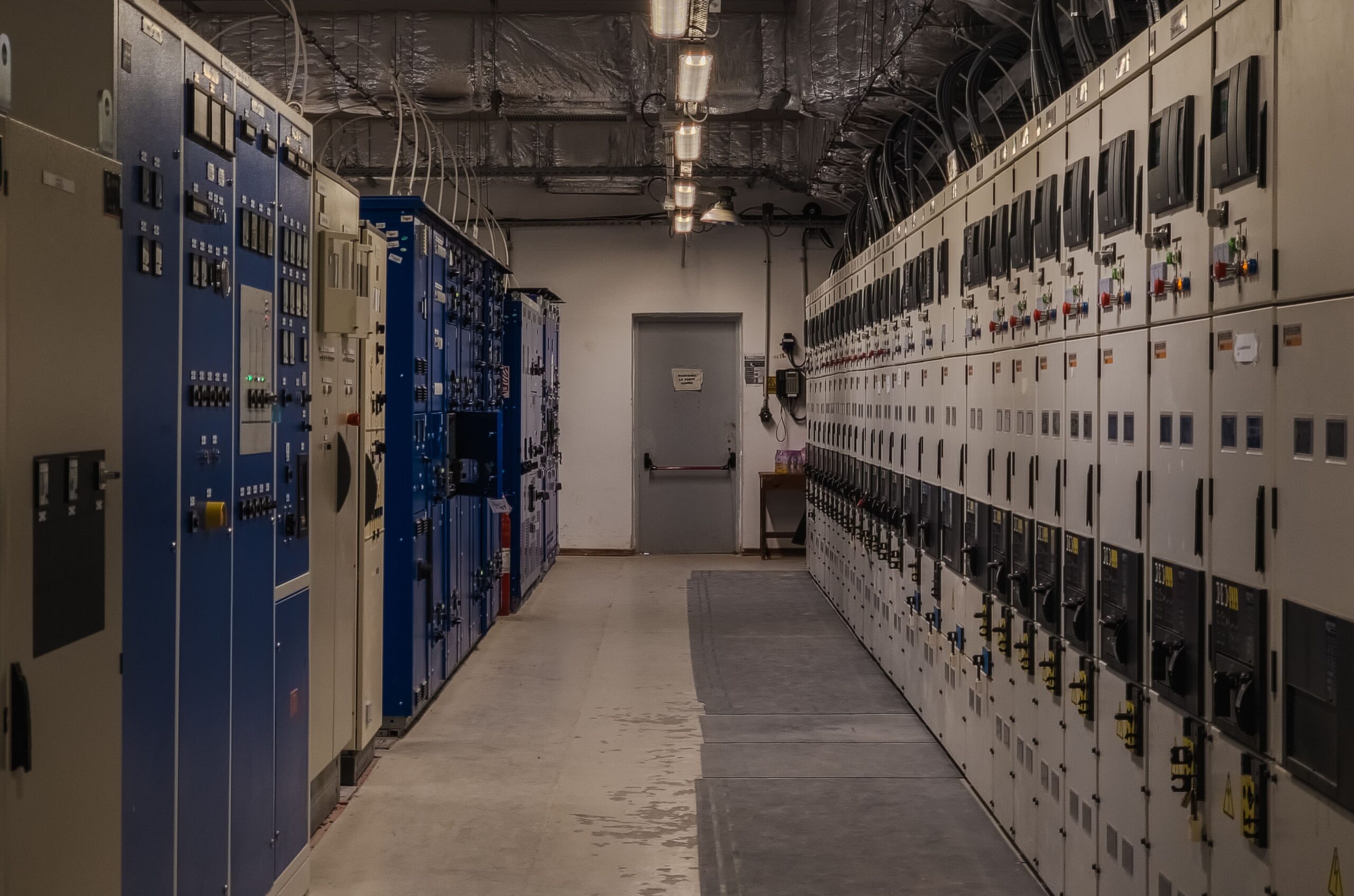
EPC has confirmed its GaN transistors power ADI’s reference converter. The dual-phase EVAL-LT7930-AZ regulates a 48V output from 36–65V input, with up to 4kW output power and manufacturer-reported typical efficiency reaching 98.8%.
-
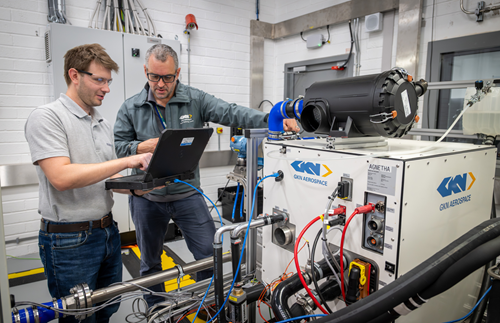
IAAPS and GKN have described completed hydrogen-electric propulsion testing work. The collaboration involved energy storage and fuel-cell generation systems, supported by specialist hydrogen, electrical and cryogenic test infrastructure at the Bristol and Bath Science Park.
-

Algorized and ZHAW are researching predictive sensing for collaborative robots. Their two-year project combines wireless and optical measurements to estimate human movement and provide robot controllers with information about the confidence of those predictions.
-
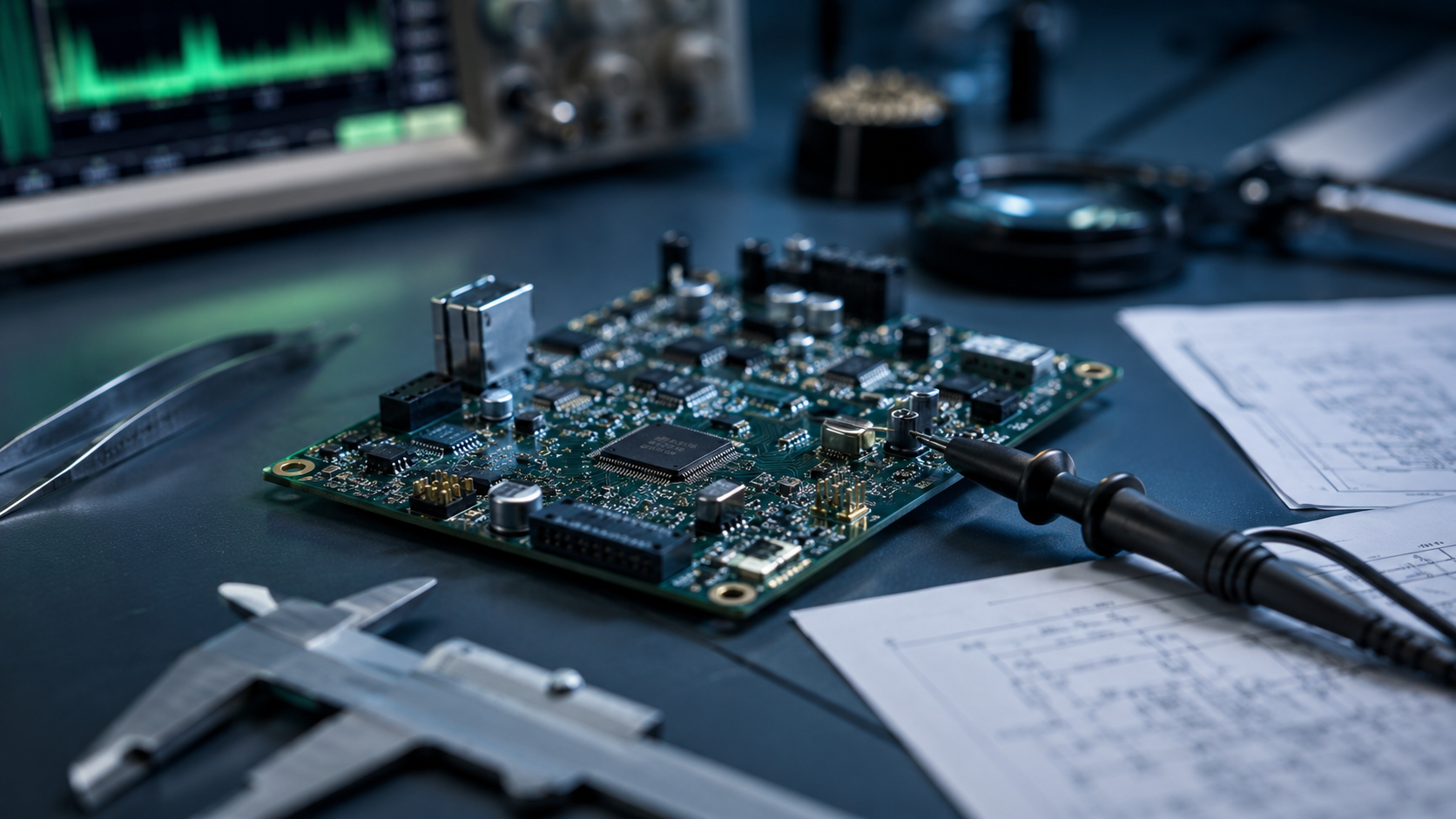
Portuguese researchers have experimentally compared three silicon-carbide power converter topologies. A University of Minho study reports differences in grid-current distortion and ripple, while simulations show how interleaving changes the relative performance of modular fast-charging architectures.