
Category: Electronics
-

PsiQuantum has demonstrated silicon-photonics optical circuit switching for computing networks. Its 8 × 8 prototype achieved typical insertion loss of 1.2dB and reconfiguration below three milliseconds, with evaluation samples being supplied to prospective customers.
-
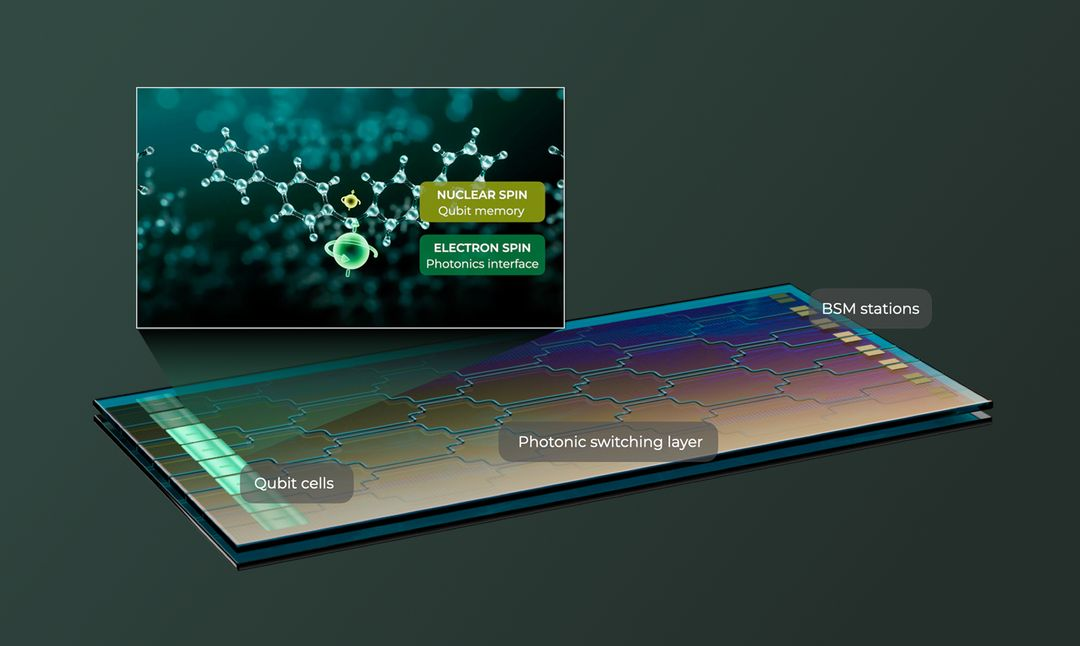
Researchers have controlled individual molecular spins through an optical interface. The Nature study demonstrates spin manipulation and readout at 4.5K, while NVision’s new partnership with HyperLight will investigate integrating molecular qubits onto photonic chips.
-
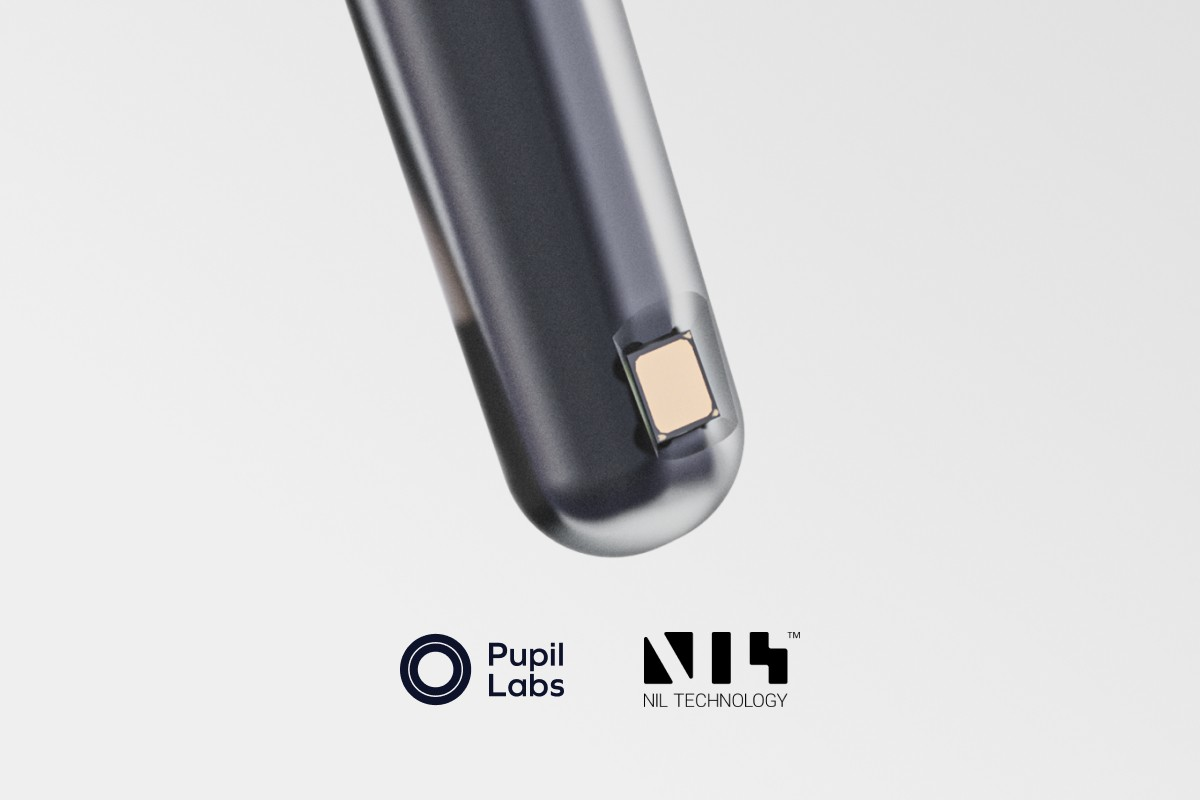
NIL Technology has launched its miniature camera for eye tracking. The metaEye module integrates two flat optical elements with a 400 × 400-pixel CMOS sensor in a package measuring 1.68 × 1.68 × 2.11mm, targeting near-infrared imaging in compact wearables.
-
Applied Materials plans to increase its investment in Dutch Besi. The proposed transaction extends an advanced-chip-packaging relationship and remains subject to a US regulatory waiting period.
-
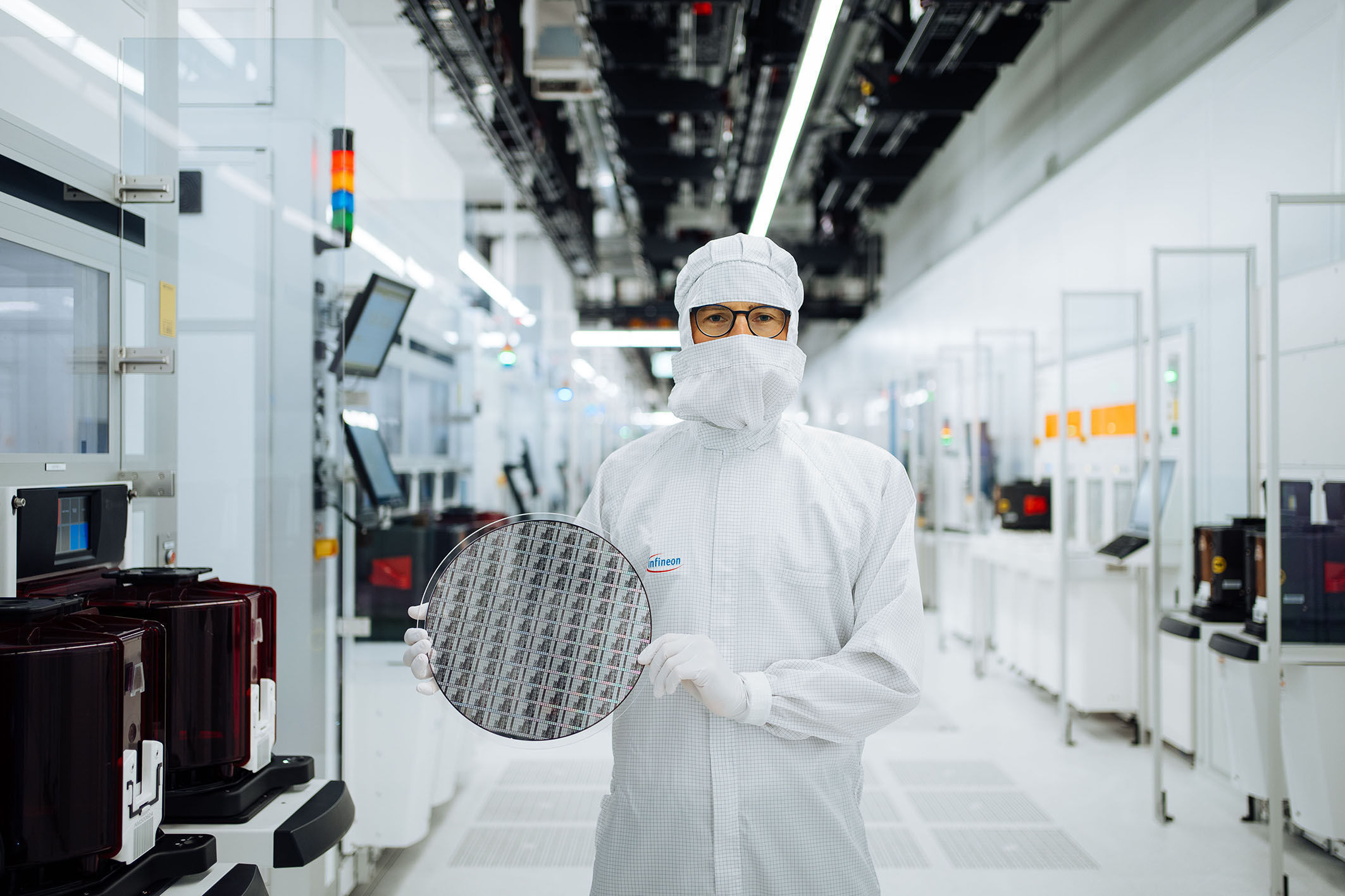
Infineon will substantially expand European gallium nitride production at Villach. The investment runs through 2034, with production expected to begin in late 2027 and €319m in European Chips Act support.
-
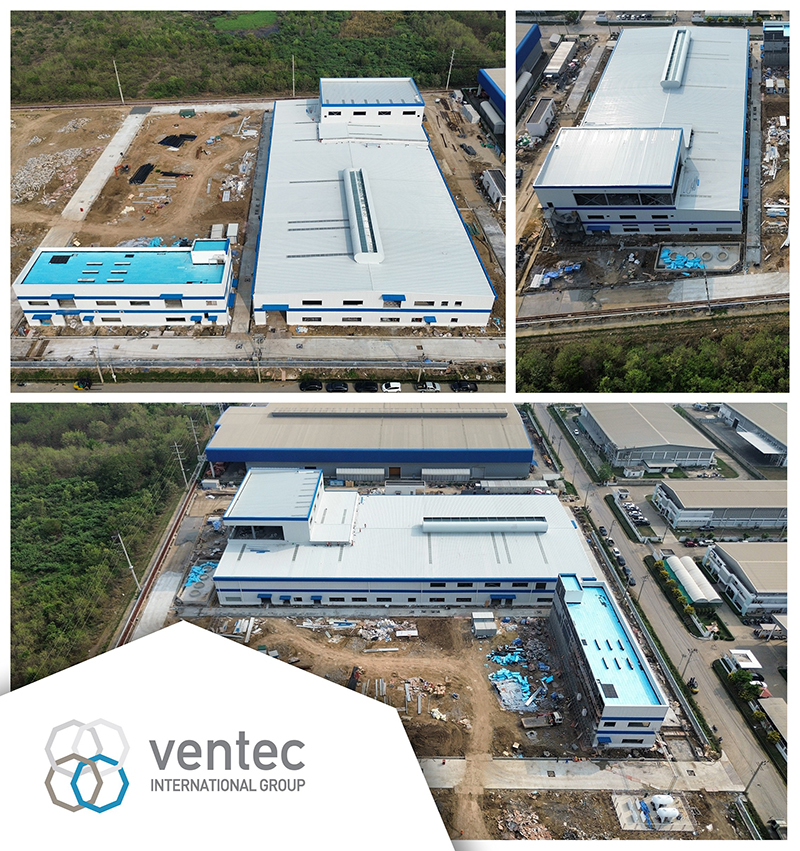
Ventec has opened its first Southeast Asian PCB materials factory. The Thailand operation will progressively expand production of prepreg, bond-ply and laminates, alongside a separate US$50 million investment in Kunshan.
-

CORE-emt is building larger facilities for Nordic electronics manufacturing customers. Its new Aars headquarters will house equipment demonstrations, practical training and service support, with relocation targeted for March 2027.
-
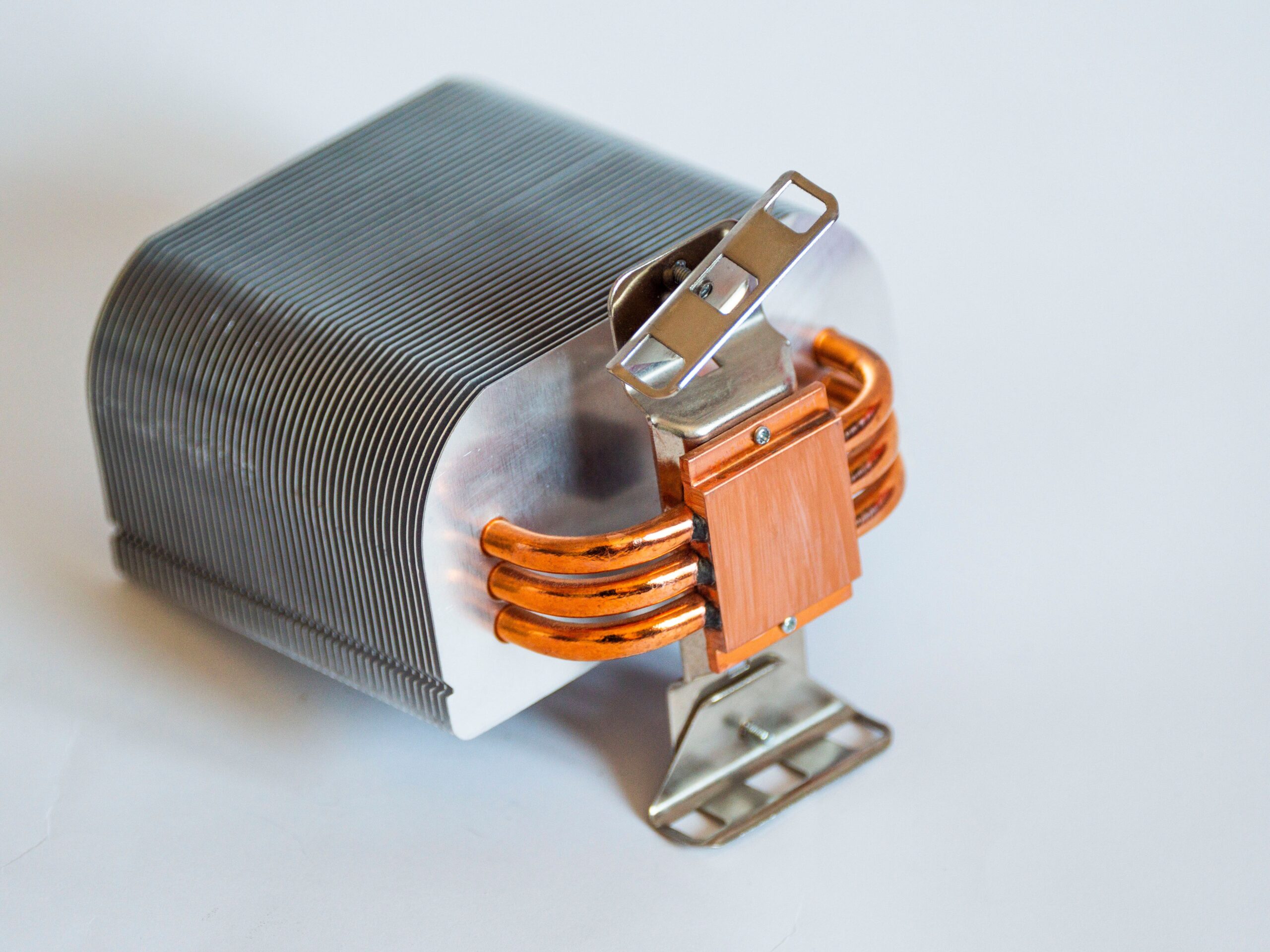
CTX has expanded thermal interface options for electronic cooling assemblies. Its cut-to-size pads, gap fillers and graphite foils can be supplied separately or preassembled with heatsinks.
-
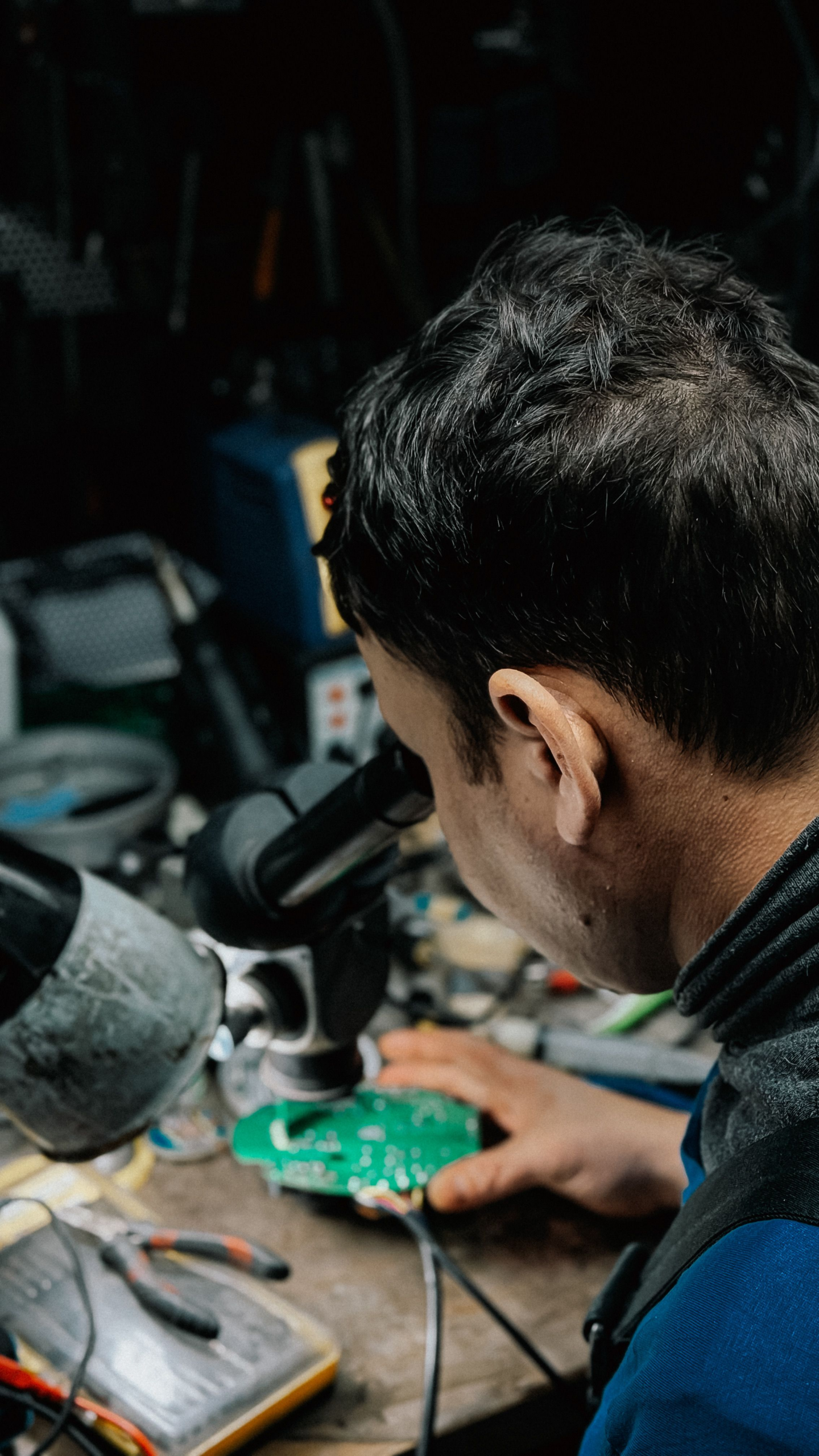
Besi records substantial order growth for advanced semiconductor assembly equipment. Third-quarter orders reached €342.6 million, with hybrid bonding, computing and photonics contributing to the increase.
-
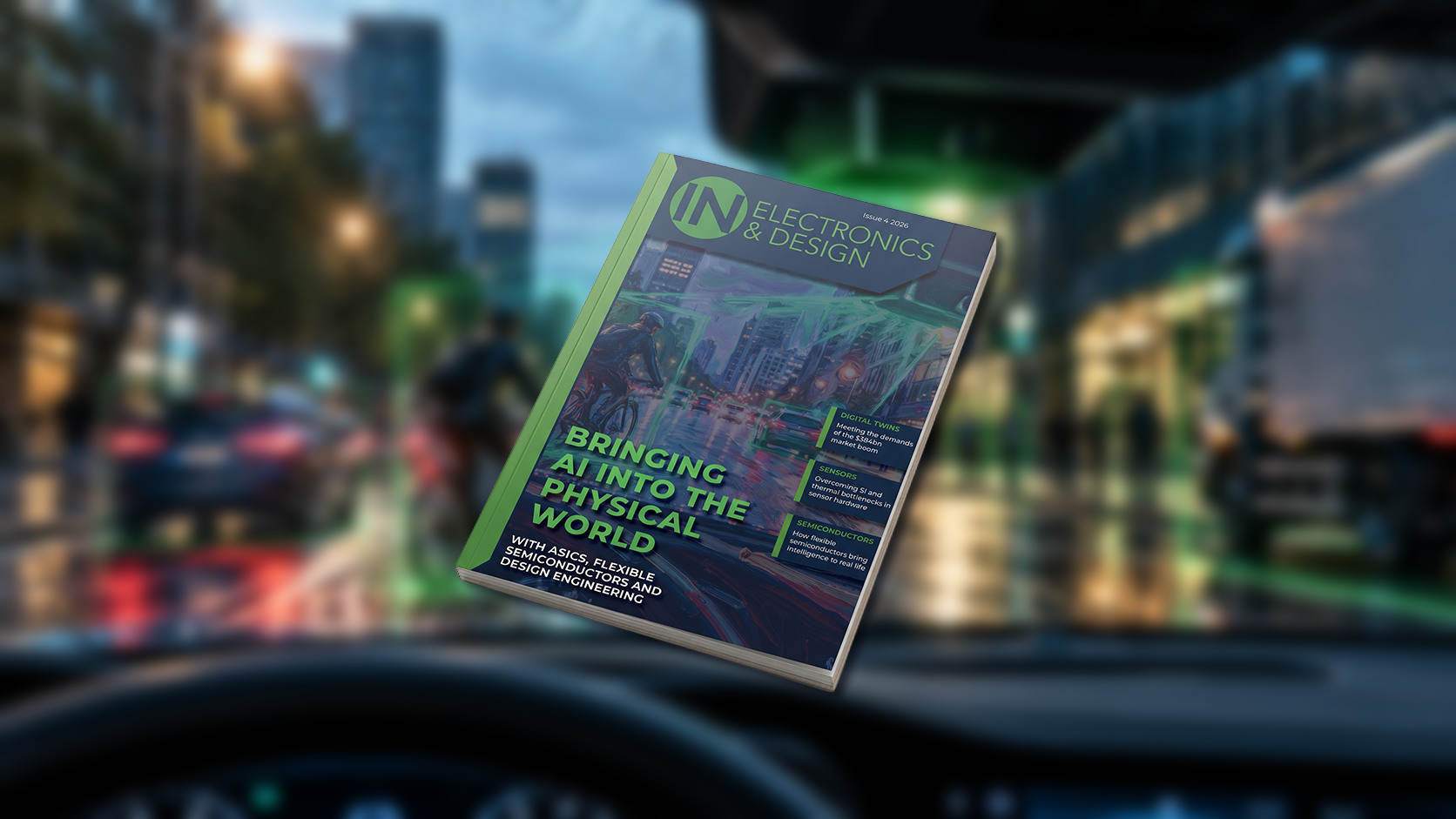
October’s IN Electronics examines where physical AI meets engineering limits. The new issue traces the decisions behind connected products, edge processing, and hardware that must perform under real operating conditions.