
Category: Products
-

Quantum sensing is entering Europe’s semiconductor inspection production chain quickly. QuantumDiamonds will build a Munich test-equipment facility with €76m in German support.
-
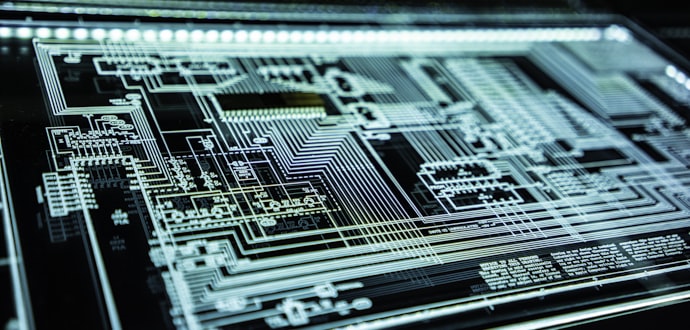
TDK has introduced 3D Hall switches for compact drive applications. HAL 13xy targets motor speed and direction sensing.
-
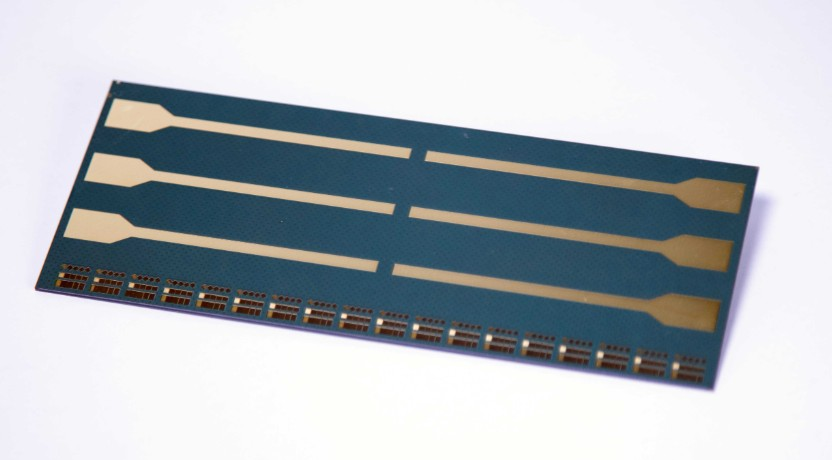
Thintronics has been recognised for low-loss dielectric materials development work. Its materials target boards, packages, and semiconductor interconnect structures.
-
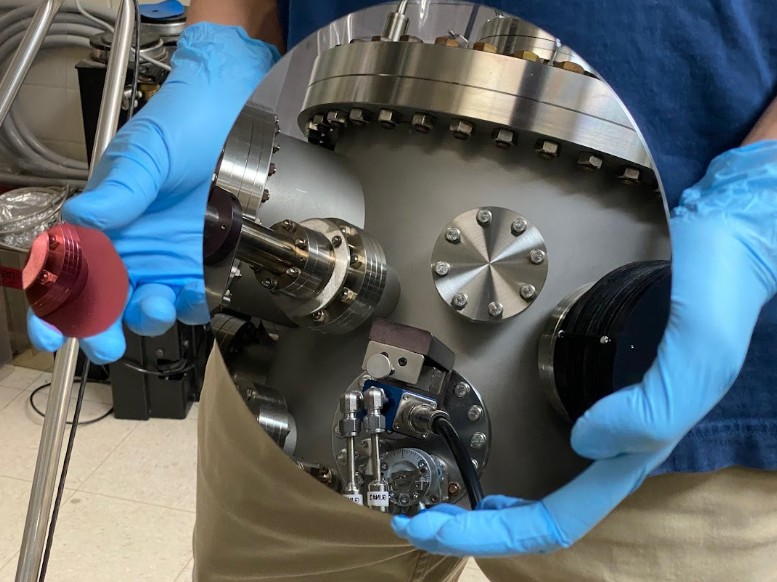
La Luce Cristallina releases beta 200mm wafers for photonics evaluation. The BaTiO₃ platform targets low-voltage electro-optic modulator designs.
-

Ubotica has raised funding to scale orbital maritime intelligence services. Live Maritime Intelligence uses onboard AI and autonomous satellite tasking.
-
Code Metal has expanded its RF engineering capability through acquisition. Signal Processing Technologies adds SDR, spectrum sensing, and DSP expertise.
-
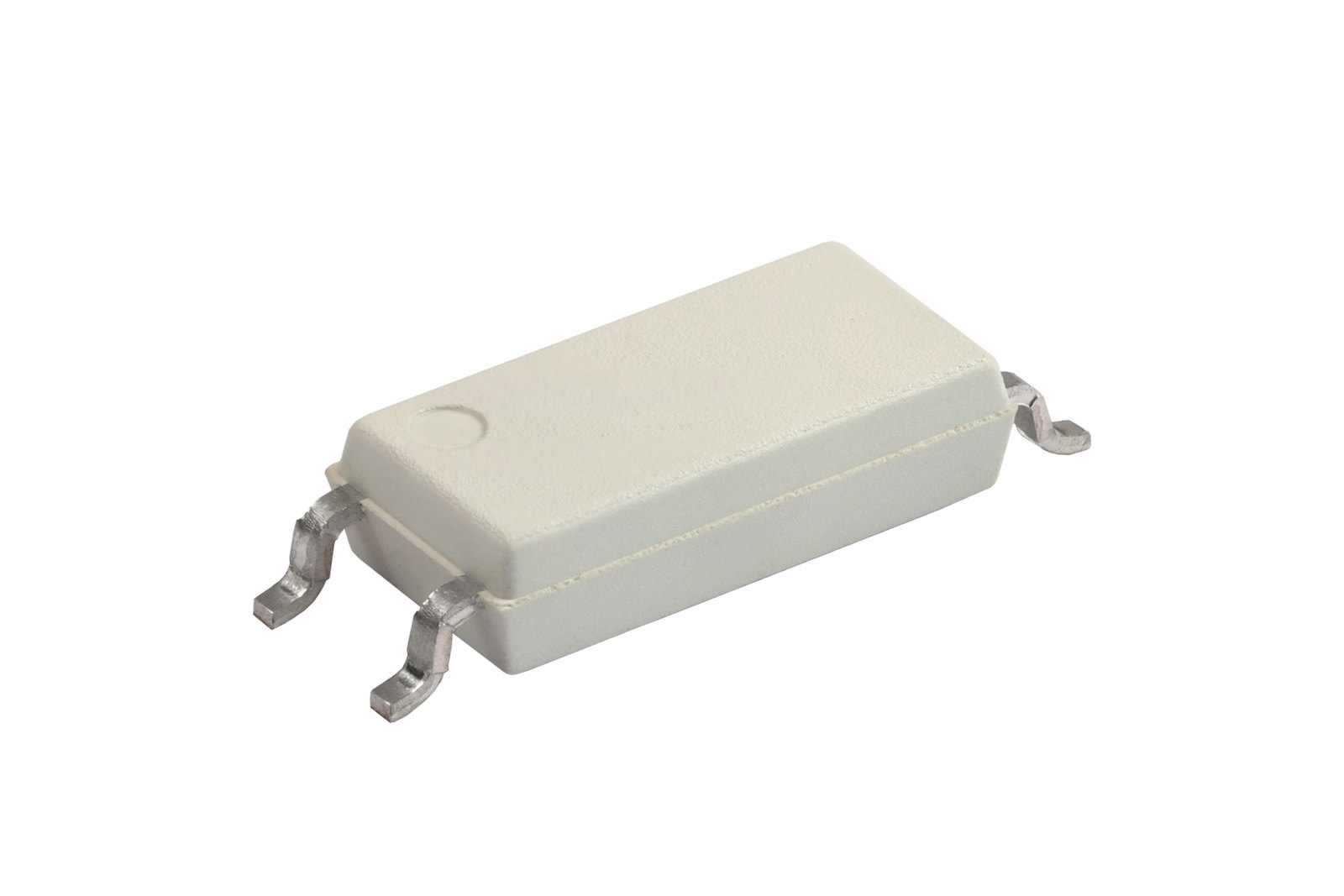
Vishay has introduced high-isolation optocouplers for 800V electric vehicle systems. VOLA617A targets chargers, converters, battery management, and industrial automation.
-
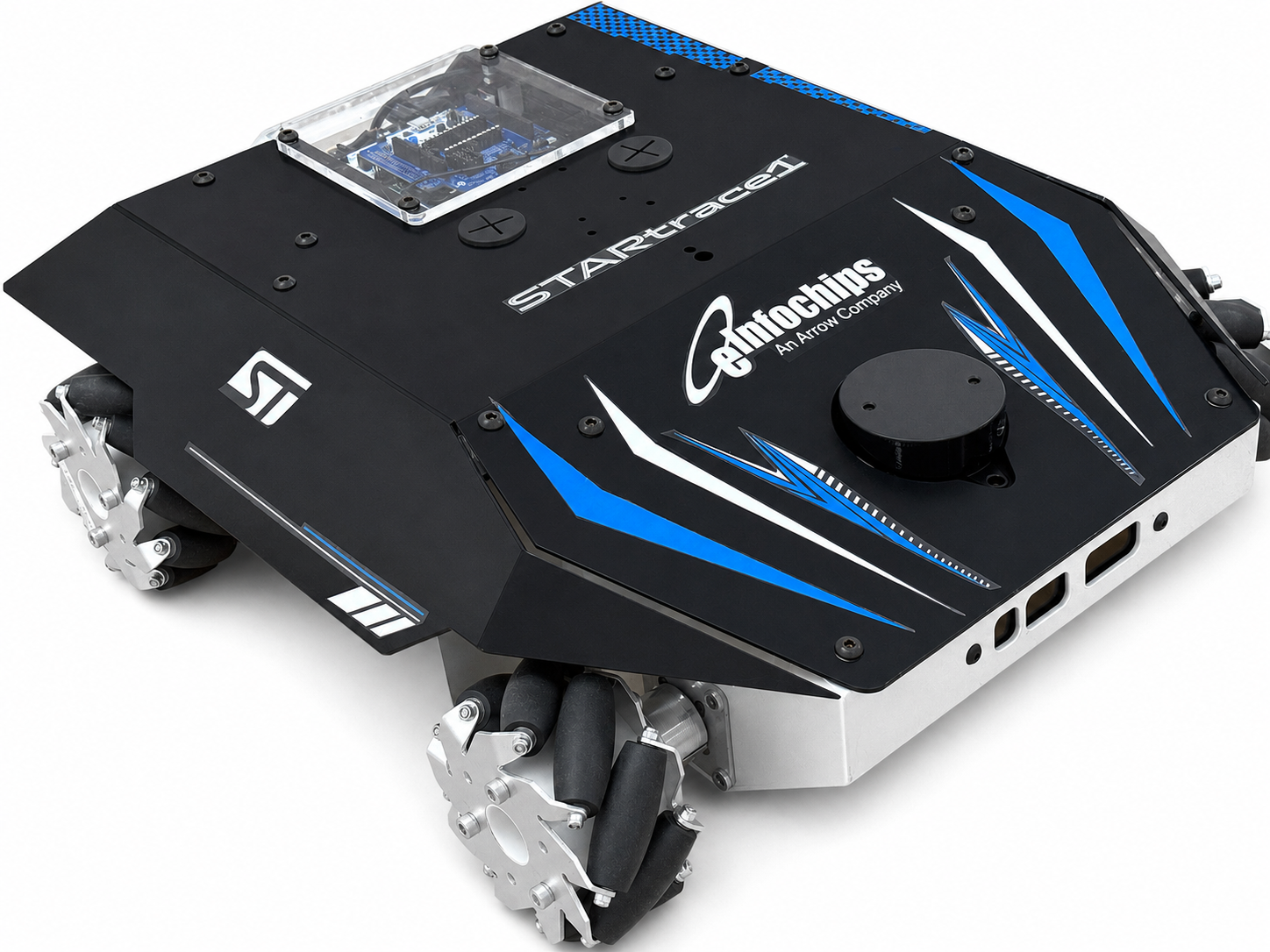
Arrow has introduced an industrial AMR reference design platform package. The system combines ST electronics, NVIDIA compute, and ROS 2 software.
-
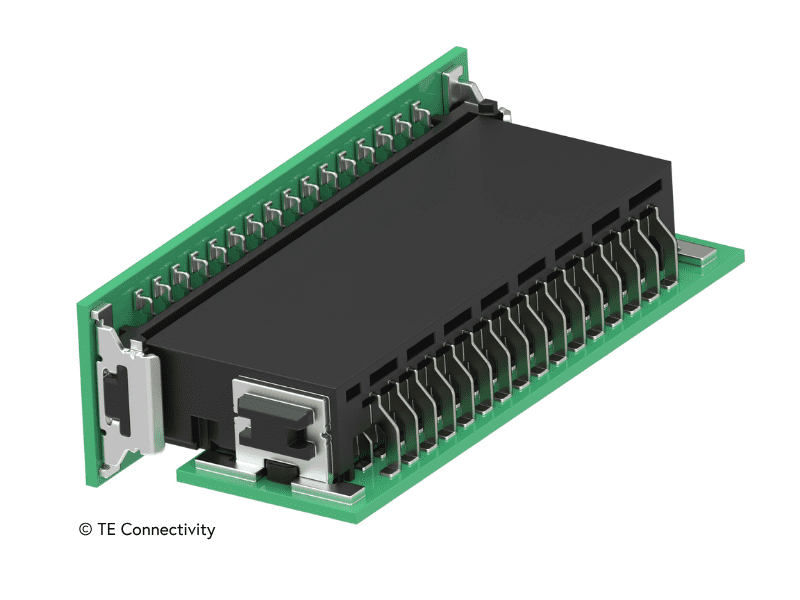
TE Connectivity has expanded compact interconnect options for industrial designs. AMP SMC essential connectors target board-to-board and board-to-wire applications.
-
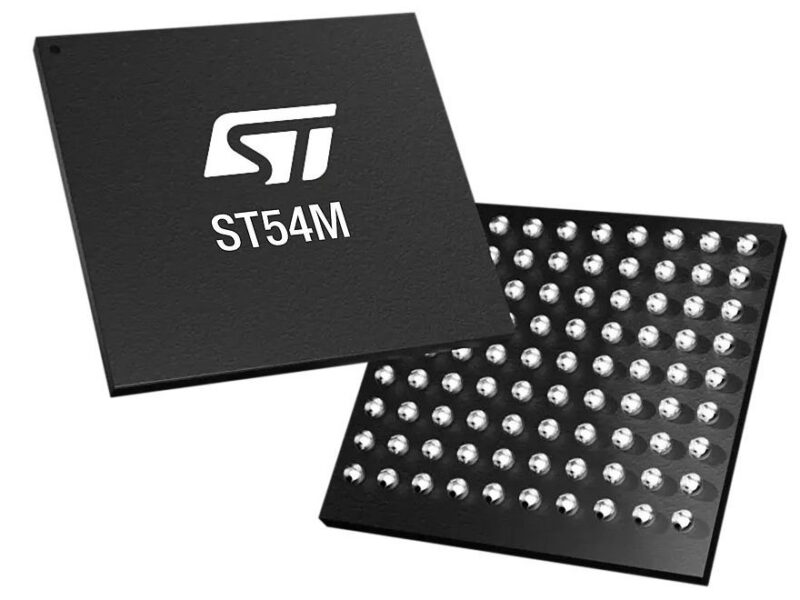
STMicroelectronics has introduced secure silicon for post-quantum mobile services integration. ST54M combines NFC, eSIM, embedded secure element, and cryptographic acceleration in one die.