
Category: Design engineering
-

Europe is keeping advanced chip manufacturing in its policy frame. Chips Act 2.0 links logic, memory, packaging, design, and industrial demand.
-
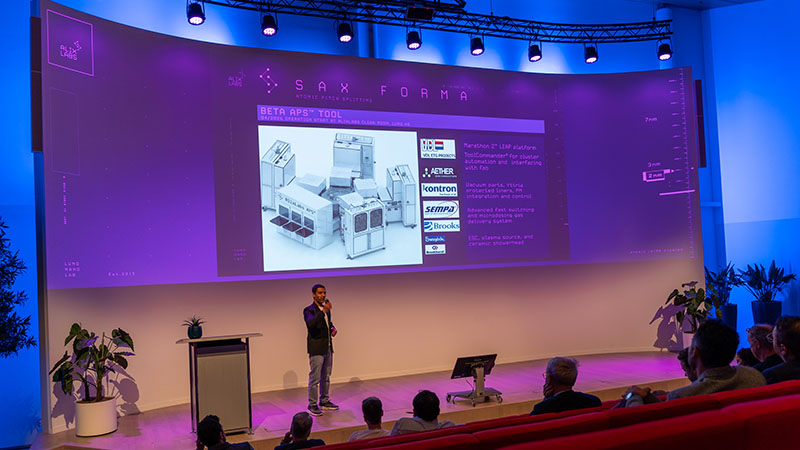
AlixLabs has launched Sax Forma for advanced semiconductor patterning workflows. The platform brings atomic pitch splitting into customer evaluation and process validation.
-

GigaDevice and Qt are tightening industrial embedded GUI development workflows. The partnership brings Qt for MCUs support to the GD32H7 microcontroller platform.
-

Lotus Microsystems is targeting AI processors with vertical power delivery. The vStrata platform moves conversion closer to the load while integrating electrical and thermal design.
-
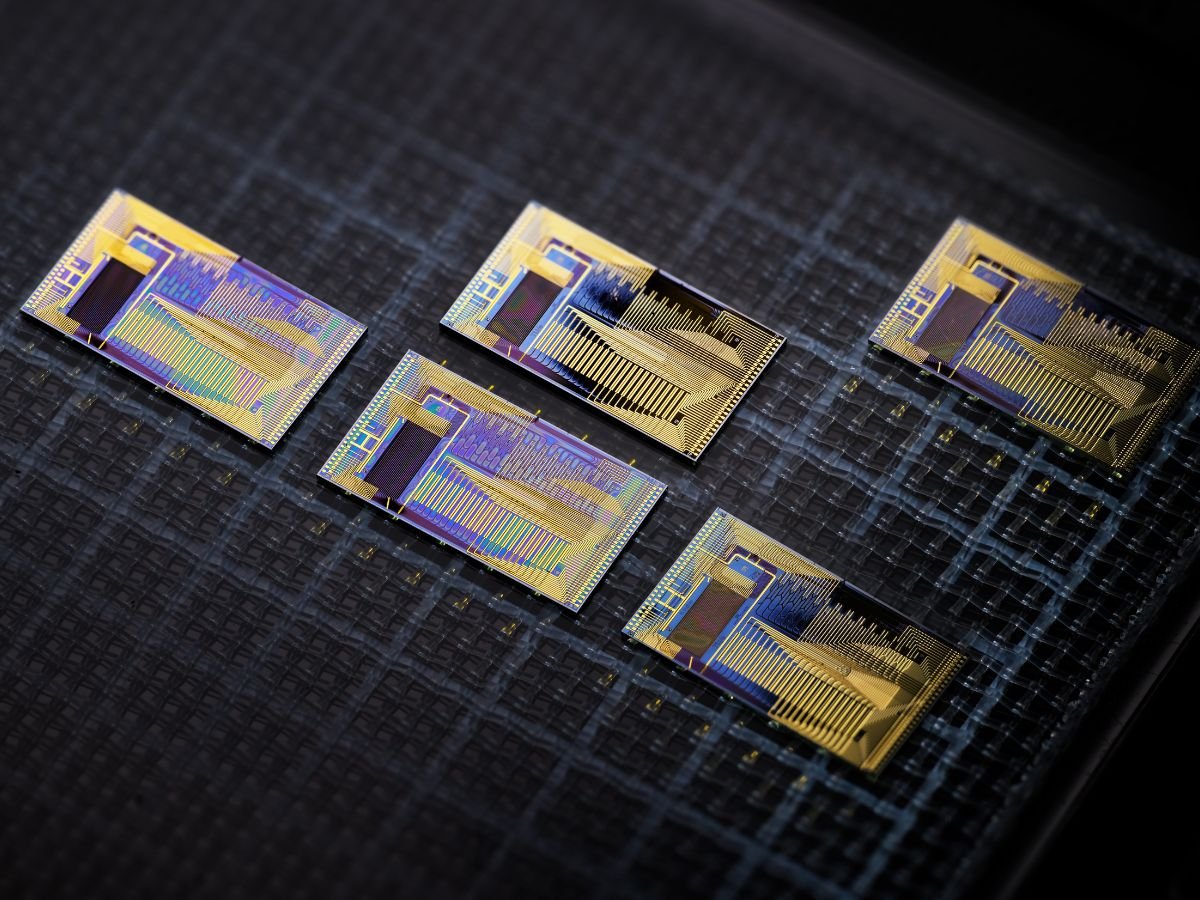
TNO and ASML are scaling Europe’s photonic chip manufacturing base. The Eindhoven collaboration connects InP production, lithography, metrology, and process control.
-

Infineon is virtualising automotive microcontroller evaluation through AWS infrastructure services. The platform supports early RISC-V assessment before physical hardware arrives.
-
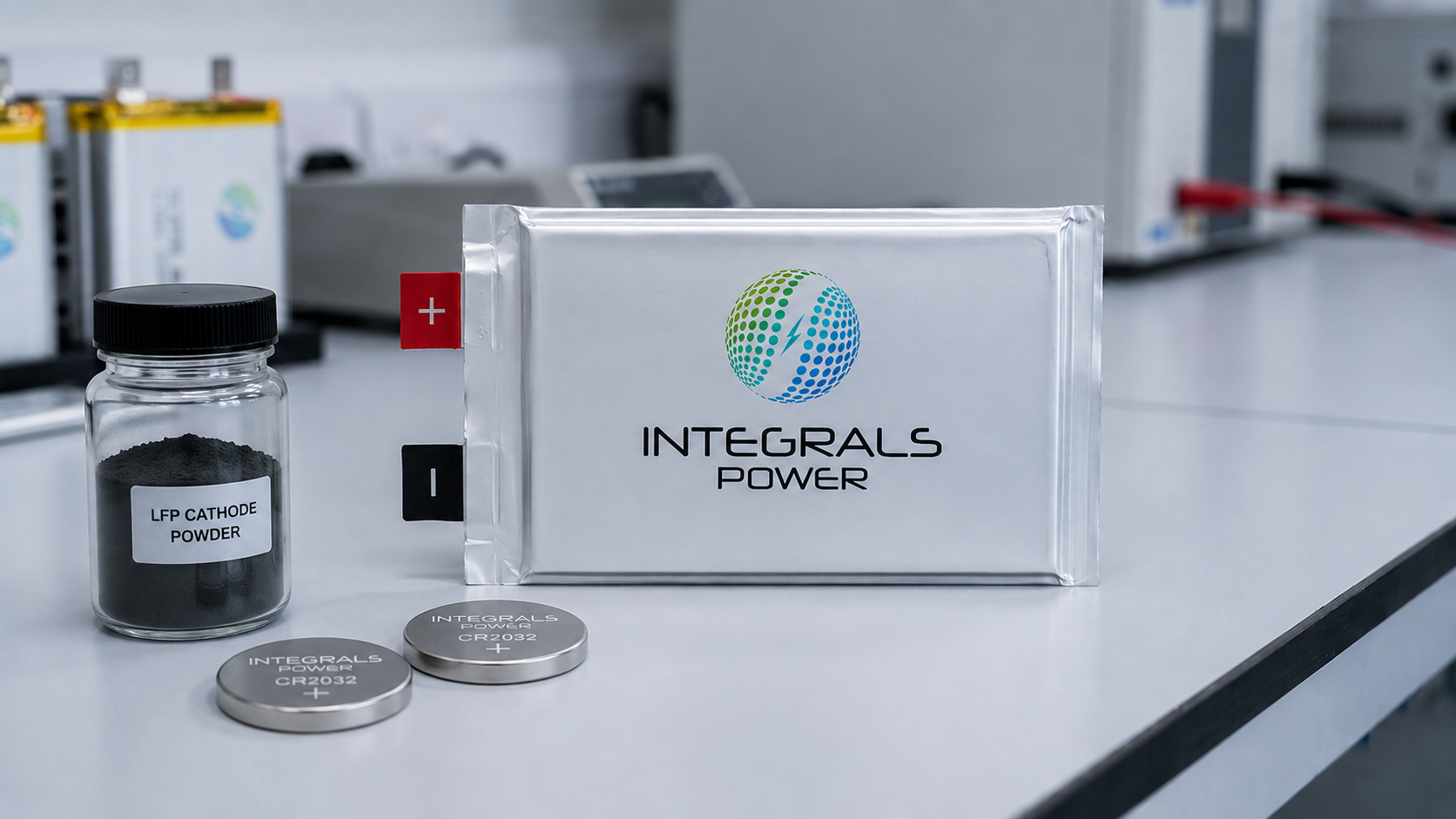
Integrals Power has validated UK-produced LFP material in cell testing. University of St Andrews work shows performance parity with Chinese equivalents.
-

Atom Computing and Nu Quantum are linking quantum processor modules. The collaboration will combine neutral-atom systems with photonic quantum networking.
-

Imagination Technologies is contributing GPU IP to automotive chiplet development. The European CHASSIS project is building a 5nm base die.
-
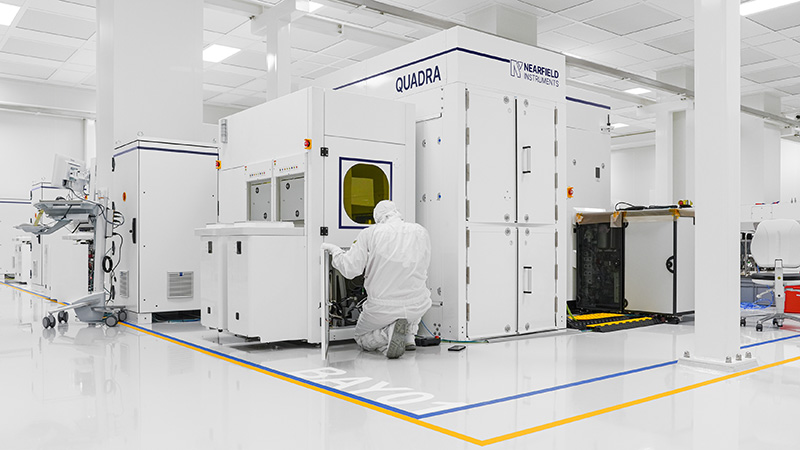
Nearfield Instruments has raised €330m for semiconductor metrology expansion plans. The Dutch company is scaling inspection systems for advanced chip manufacturing.