
Category: Design engineering
-

Mouser has expanded LoRa design resources for industrial IoT deployments. The hub covers LoRaWAN architecture, low-power wireless products, gateways, modules, sensors, eBooks, and technical content for distributed sensing systems.
-
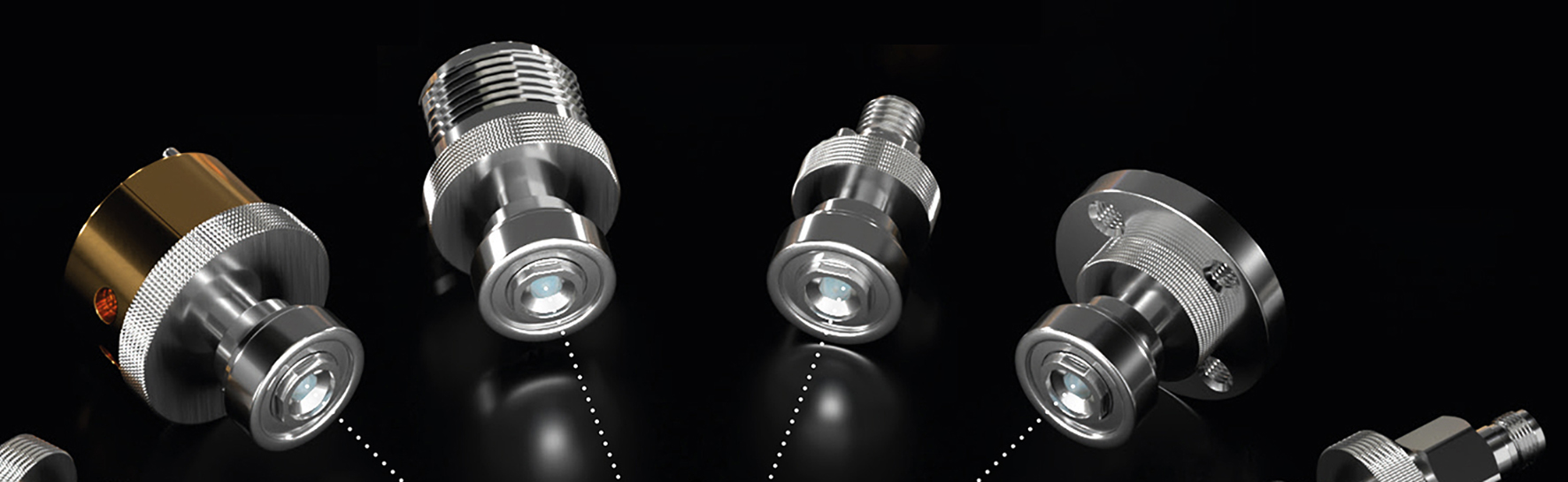
Aaronia has introduced magnetic RF connector systems at IMS 2026. The technology supports tool-free high-frequency connections, adapter sets, calibration workflows, and faster reconfiguration of microwave and millimetre-wave measurement setups.
-

Microchip has opened European MASTERs Conference registration for embedded engineers. The Munich event covers MCU-to-MPU migration, Single Pair Ethernet, software, analogue, FPGAs, motor control, power conversion, and wireless design.
-
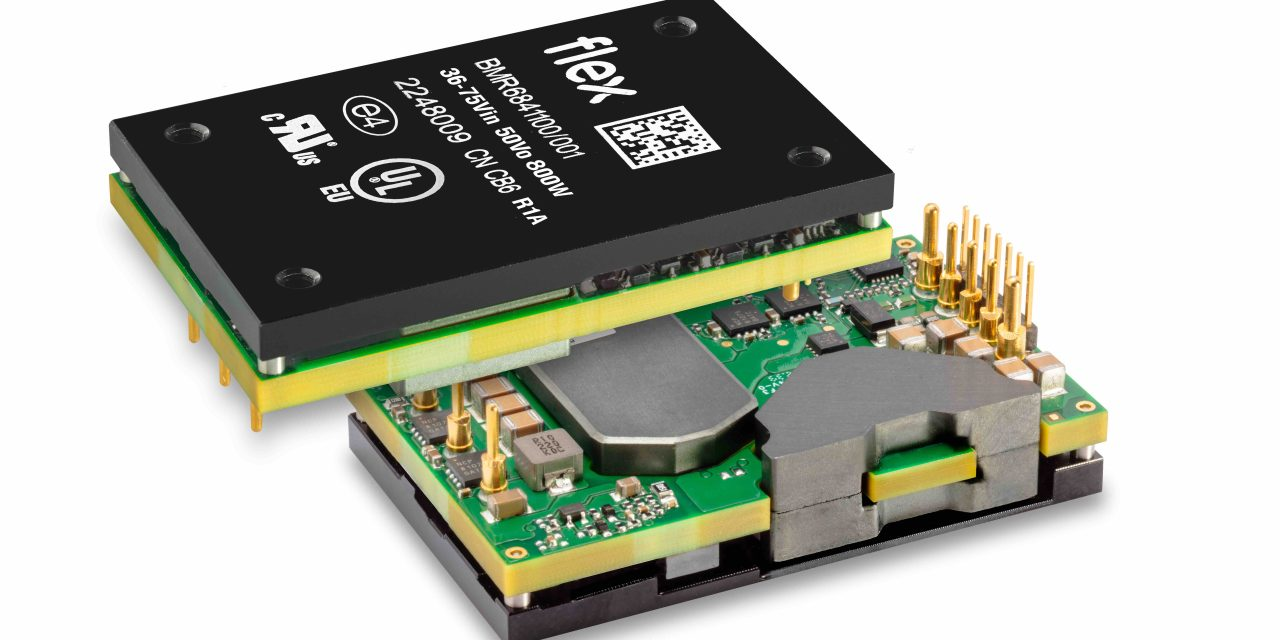
Flex Power Modules has released an 800W BMR684 converter variant. The quarter-brick isolated DC/DC module targets telecom RF power amplifier and datacom applications with 50V output and up to 96% efficiency.
-

SAB Cables is highlighting high-flex cabling for automation system builders. The portfolio covers continuous-motion, drag-chain, compact control, data, and custom cable designs for robotics and machinery applications.
-
Imec has demonstrated ferroelectric memory advances for future AI systems. The work targets density, voltage, endurance, and three-dimensional integration as AI compute architectures increase pressure on memory systems.
-

Rapidus has signed a UK agreement on semiconductor manufacturing collaboration. The MoU links UK semiconductor strategy with Japan’s advanced 2nm logic manufacturing plans.
-

Synopsys has released Multiphysics Fusion tools for chip design closure. The flows integrate timing, power, thermal, electromagnetic, multi-die, analogue, and photonic analysis.
-

Xiphera is joining Finland’s SecureSoC programme for trusted semiconductor systems. The project links hardware cryptography, RISC-V design, AI-assisted verification, and supply-chain resilience.
-

Legacy aerospace and satellite platforms face rising connectivity demands. Filtronic CTO Tudor Williams explains how solid-state power amplifiers can replace travelling wave tube amplifiers, improving reliability, reducing maintenance, and enabling higher-throughput links without the cost and complexity of full platform redesigns.