
Category: Processors
-

Micron and Anthropic are linking AI infrastructure to memory architecture. Their agreement covers HBM, DRAM, SSDs, supply, and workload-level optimisation.
-
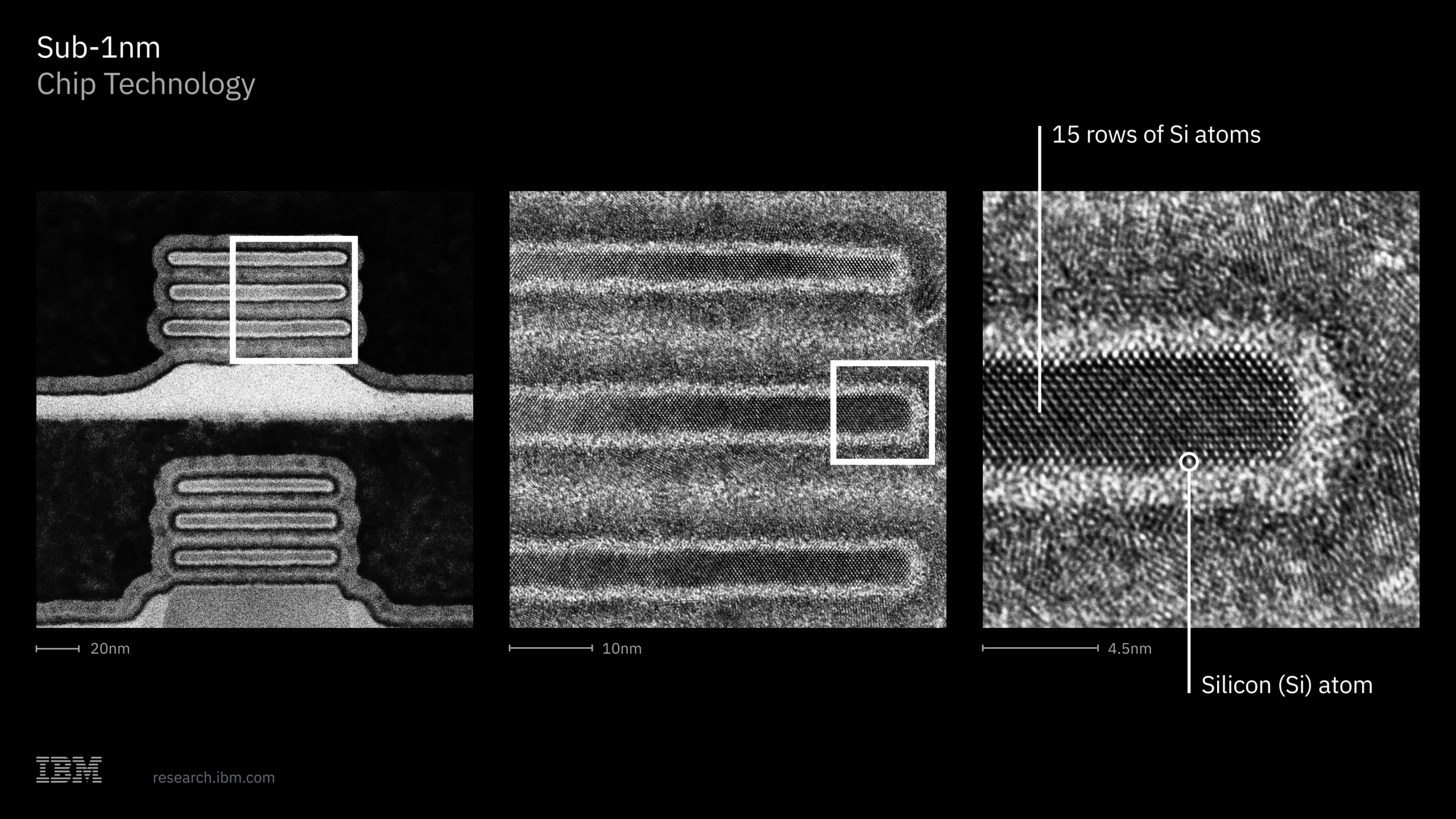
IBM has demonstrated sub-one-nanometre chip technology using a nanostack architecture. The research targets future gains in logic density, SRAM scaling, and energy efficiency.
-

Tytan is advancing AI-guided interceptor drones for European air defence. Its work combines onboard sensing, autonomy, target tracking, and command-network integration.
-
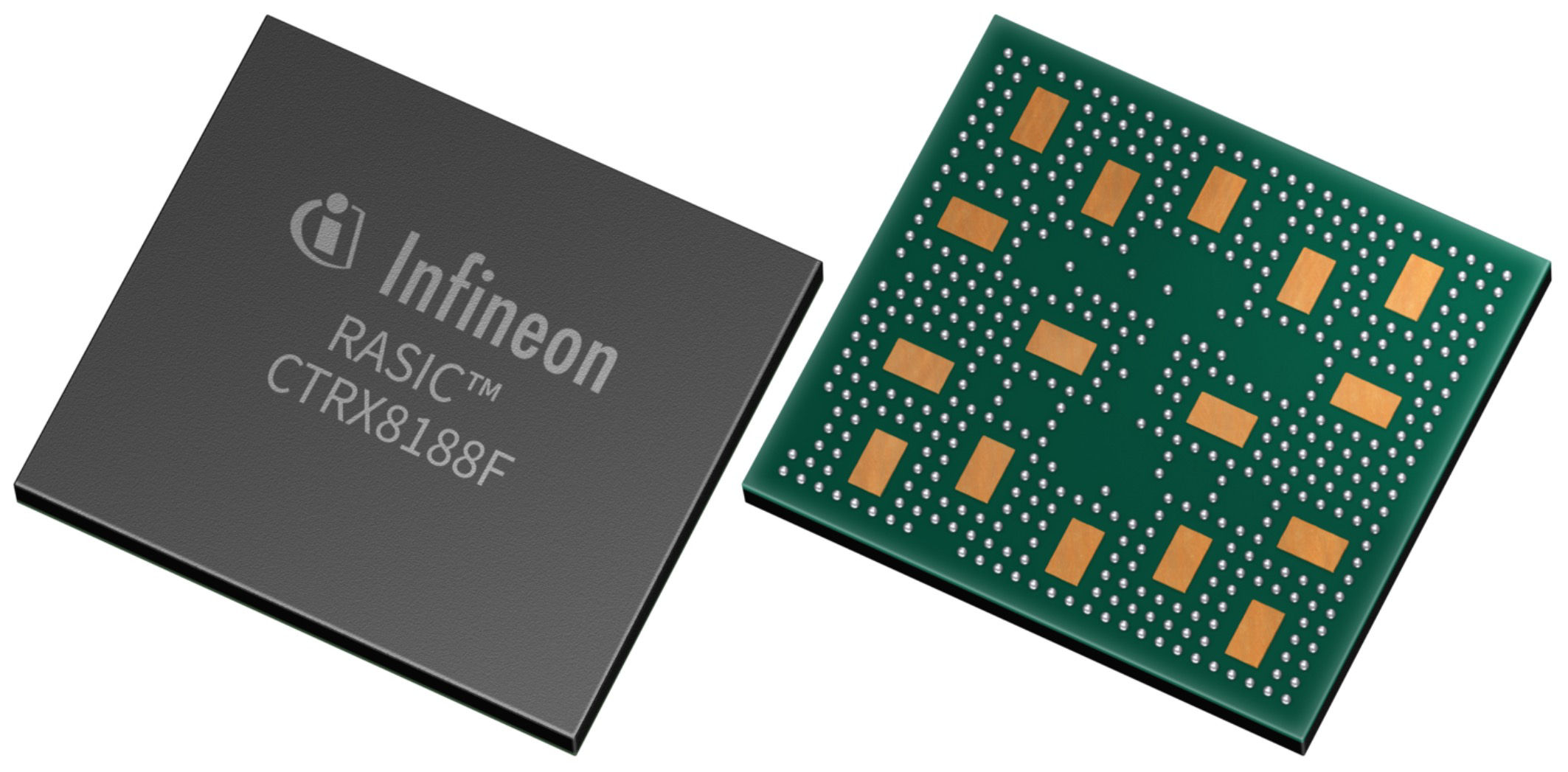
Infineon has started production of its RASIC CTRX8188F radar transceiver. The 8Tx8Rx MMIC supports centralised ADAS architectures, 4D imaging radar, and scalable vehicle sensing platforms.
-

Quantinuum and HPE are linking quantum systems with HPC infrastructure. The collaboration covers architectures, workflows, interoperability, benchmarking, and customer use cases.
-

GigaDevice and Qt are tightening industrial embedded GUI development workflows. The partnership brings Qt for MCUs support to the GD32H7 microcontroller platform.
-

Infineon is virtualising automotive microcontroller evaluation through AWS infrastructure services. The platform supports early RISC-V assessment before physical hardware arrives.
-

Imagination Technologies is contributing GPU IP to automotive chiplet development. The European CHASSIS project is building a 5nm base die.
-
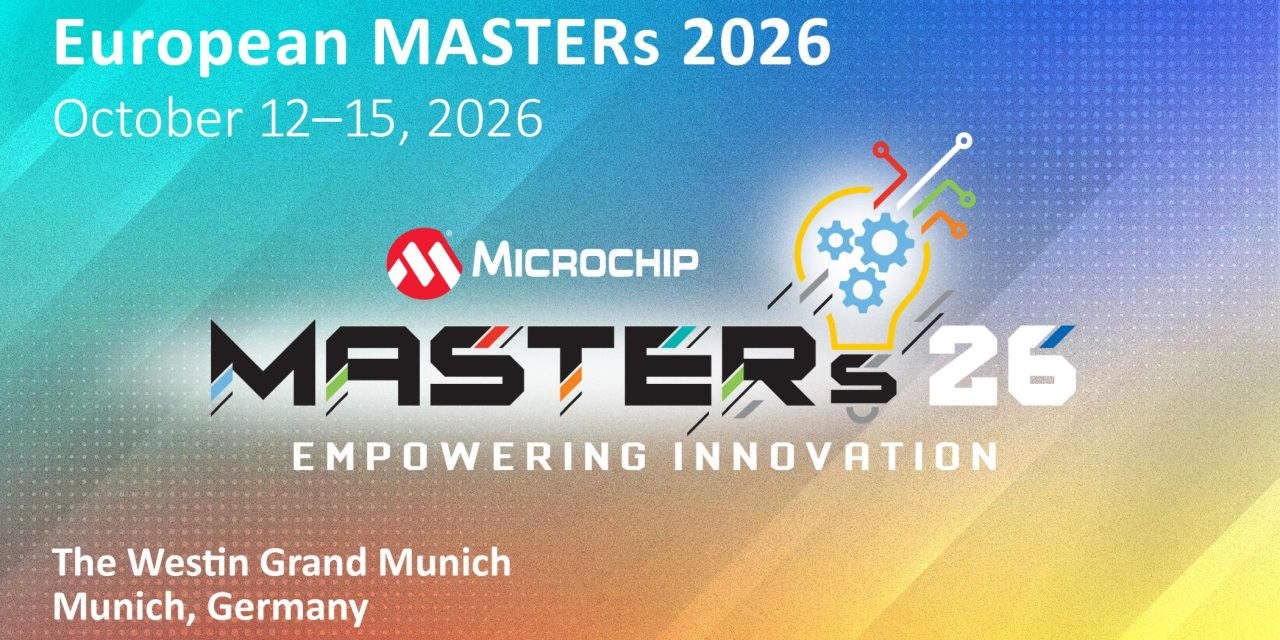
Microchip has opened European MASTERs Conference registration for embedded engineers. The Munich event covers MCU-to-MPU migration, Single Pair Ethernet, software, analogue, FPGAs, motor control, power conversion, and wireless design.
-
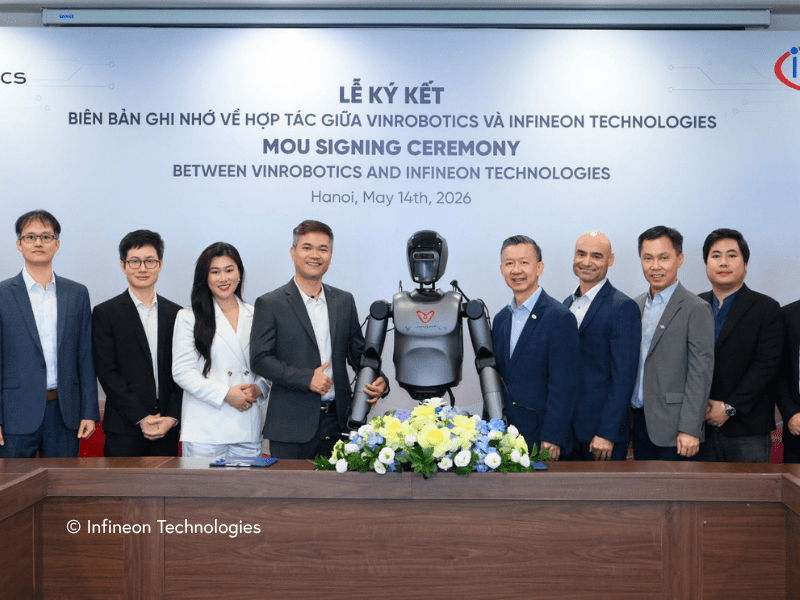
Infineon and VinRobotics will collaborate on humanoid robot platform development. The work combines semiconductor, sensing, power, connectivity, safety, security, and robotics expertise through a joint competency centre in Hanoi.