
Category: News
-
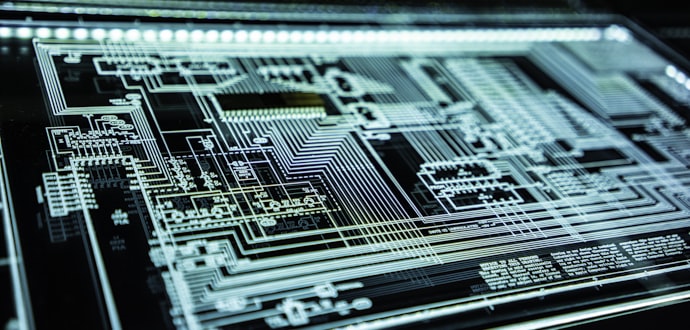
QinetiQ is industrialising laser-source technology developed through the DragonFire programme. HELENA spans mobile counter-drone systems and larger naval configurations.
-
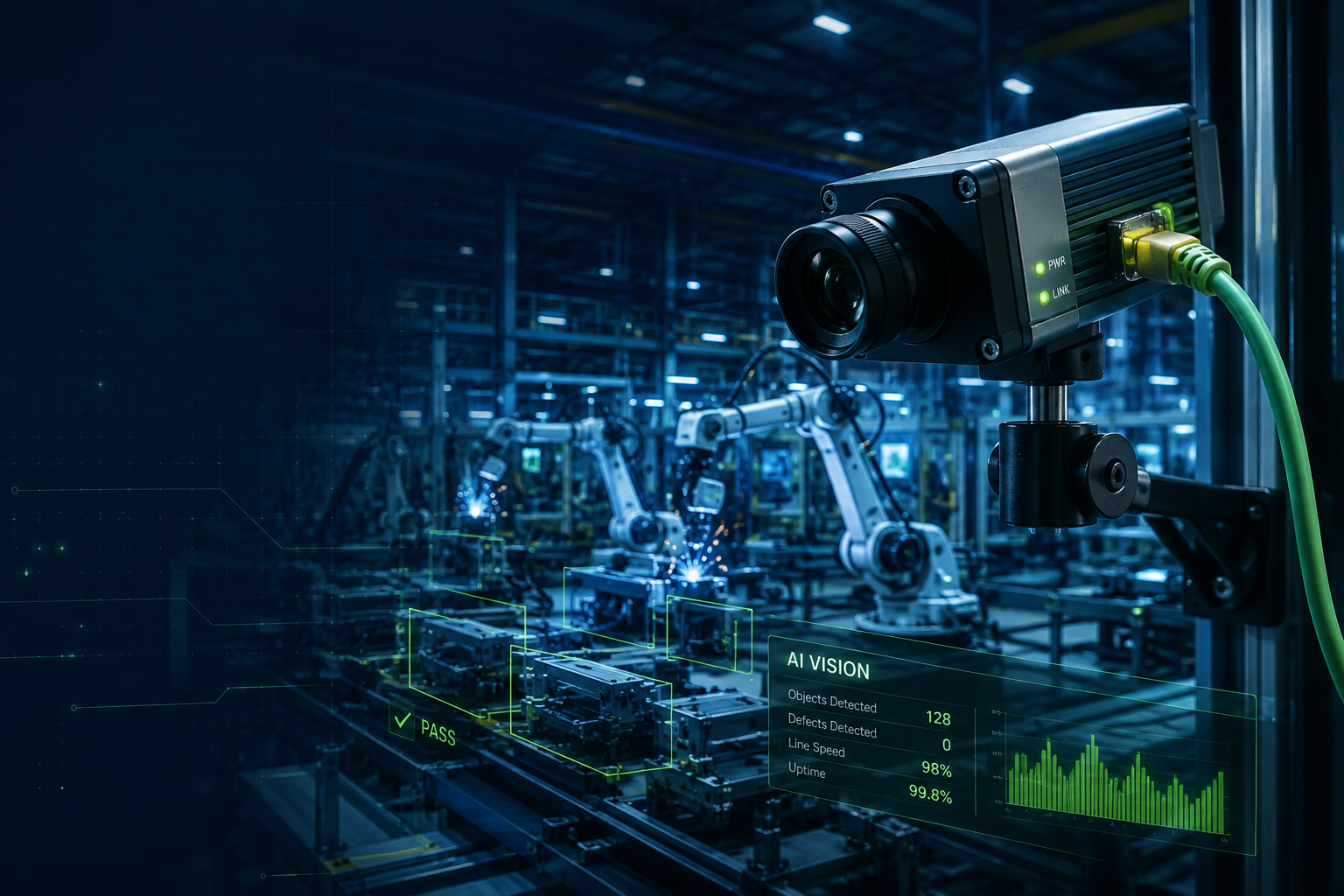
TPL Vision has expanded high-current control for machine-vision lighting systems. The platform coordinates pulsed LED output across sixteen channels.
-

Pramacom-HT has compressed airborne sensing and communications into one pod. D-POD packages electro-optical, RF, computing, and data-link functions.
-

Siemens and Cloudberry are linking European deep-tech developers with industry. The collaboration combines validation environments, engineering support, and specialist capital.
-
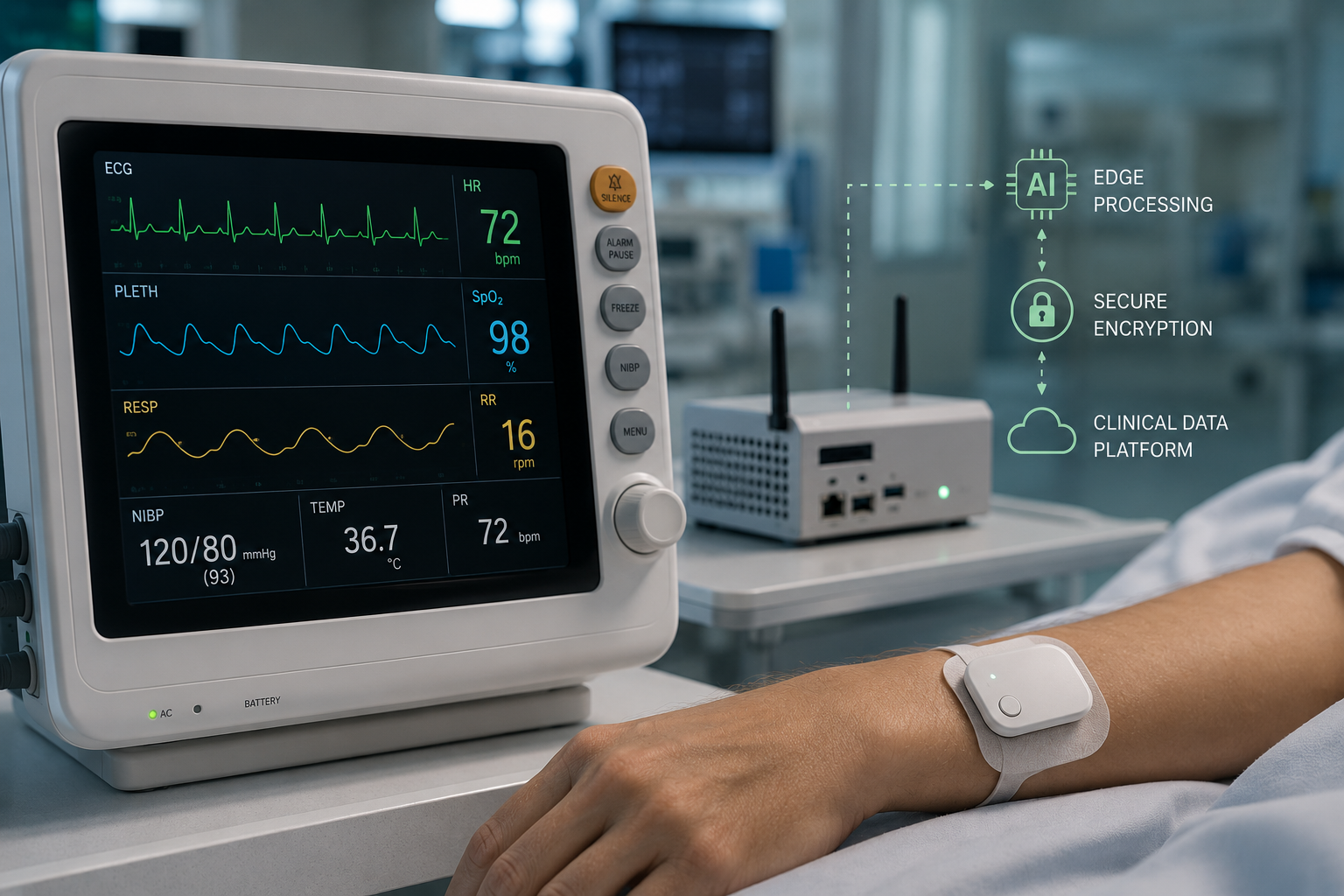
Dolphin and INTERA have combined analogue sensing with neuromorphic processing. The platform targets microwatt-scale, always-on audio and sensor inference.
-
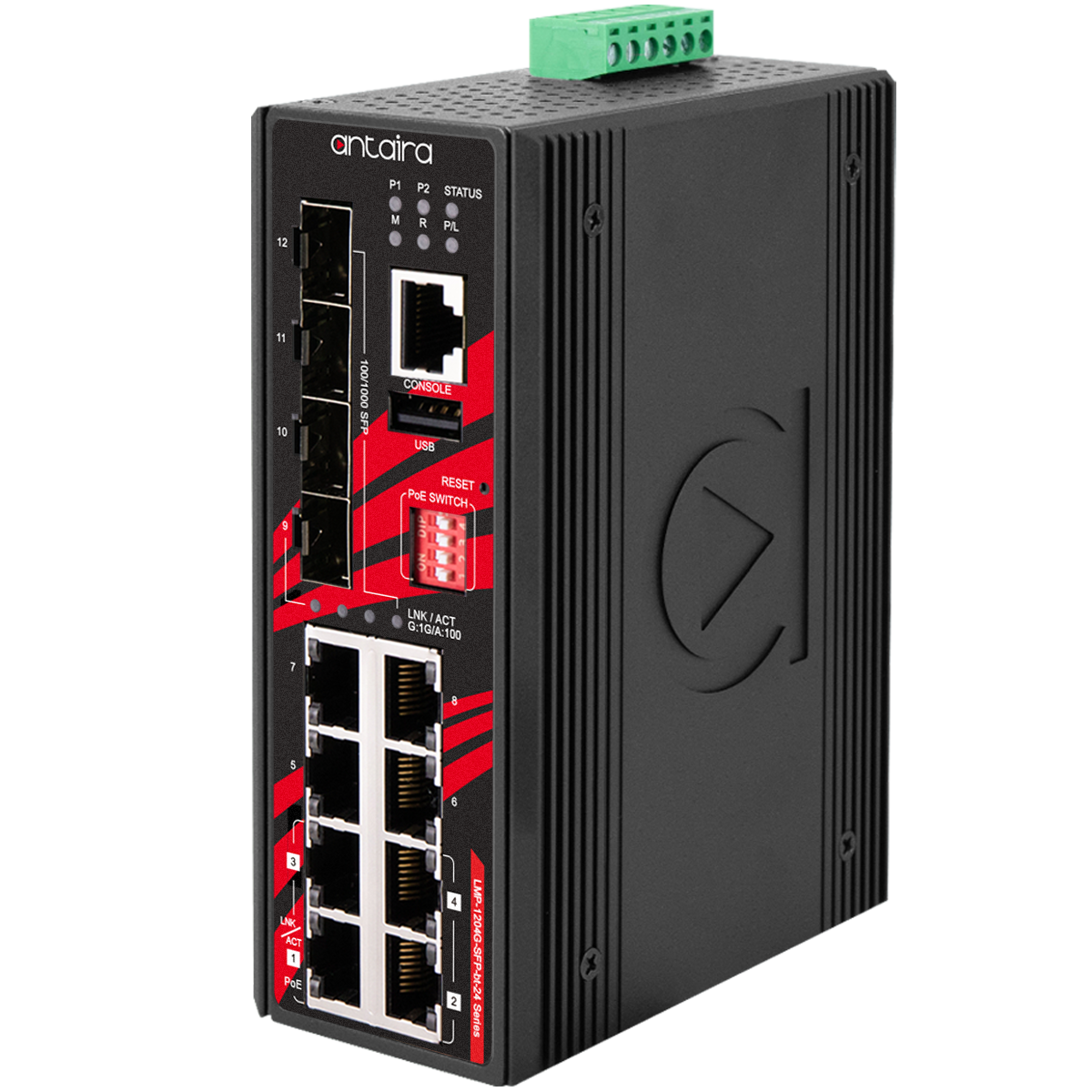
Antaira has combined high-power PoE, fibre, and industrial ring resilience. The 12-port switch supports demanding edge devices and rapid recovery.
-
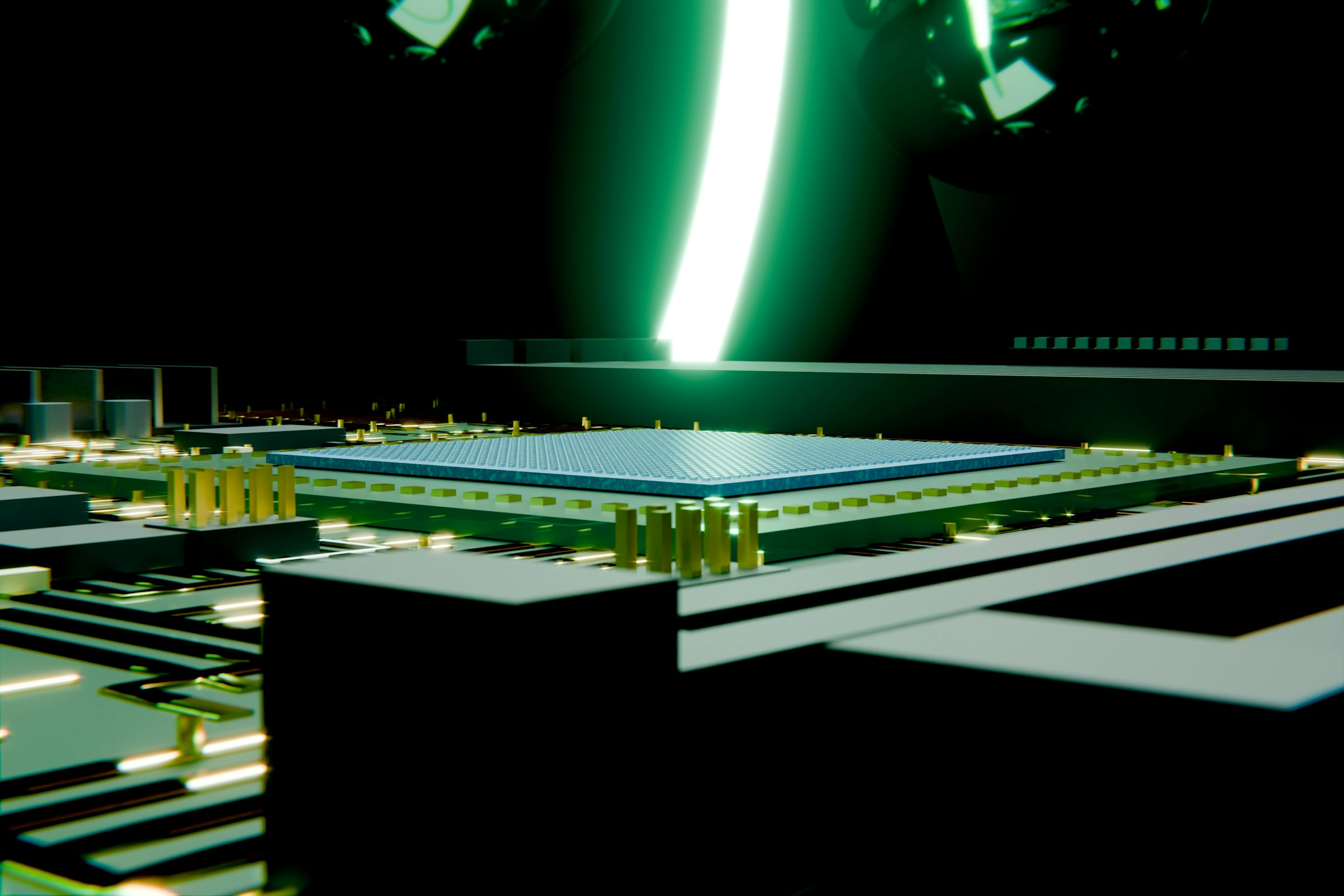
ZeroPoint has brought lossless compression directly into silicon memory paths. ZeroStream targets bandwidth-bound AI accelerators, CPUs, and networking SoCs.
-
HFI is building a consistent pre-boot environment for RISC-V systems. The project adds hardware enumeration, setup, diagnostics, boot selection, and firmware flashing above U-Boot.
-
Custom Electronics has patented safer parallel connection for field power. The architecture supports hot-swappable batteries, solar equipment, and other DC sources without cross-discharge.
-
Cadence has extended agentic automation across PCB and package design. AuraStack coordinates planning, layout, manufacturability, and multiphysics analysis within one engineering environment.