
Category: Power supplies
-
Frore introduces diamond-enhanced liquid coldplate technology for AI processor cooling. LiquidJet Diamond combines a heat-spreading material with the company’s liquid cooling architecture for concentrated thermal loads.
-

Toray has tested heat-resistant film capacitors in a prototype inverter. Joint research with Nagoya University demonstrated operation at 150°C, while thermal modelling indicates that the technology could reduce the size of an inverter’s heat dissipation structure by approximately half.
-

Infineon has introduced a 27 kW server power reference design. The three-phase architecture combines SiC and silicon switches, digital control and an integrated energy buffer, achieving more than 98% peak efficiency under specified test conditions.
-

Solace has moved Nova into volume production for 5G equipment. The module is FCC certified and transfers up to 30W through glass for outdoor customer premises equipment.
-
Navitas has completed its Claros acquisition for processor power delivery. Integrated voltage regulation moves the final conversion stage closer to high current AI processors.
-
RECOM has introduced a 3kW AC/DC supply for industrial systems. RACM3000-M adds CAN control, current sharing and medical isolation alongside planned 400–800VDC input variants.
-
Renesas has extended its GaN portfolio into 100V power conversion. Four enhancement mode FETs target fast converters, robotics and industrial drives where silicon losses constrain density.
-
Murata is expanding SiC gate drive and inertial sensing hardware. MGJ2T2 targets isolated power for SiC switching, while SCI36LT combines 6DoF sensing with local processing.
-

Infineon has completed its acquisition of C2i Semiconductors in India. The Bengaluru engineering team joins its Power Systems division to develop digitally controlled power architectures for AI processors and high performance computing.
-
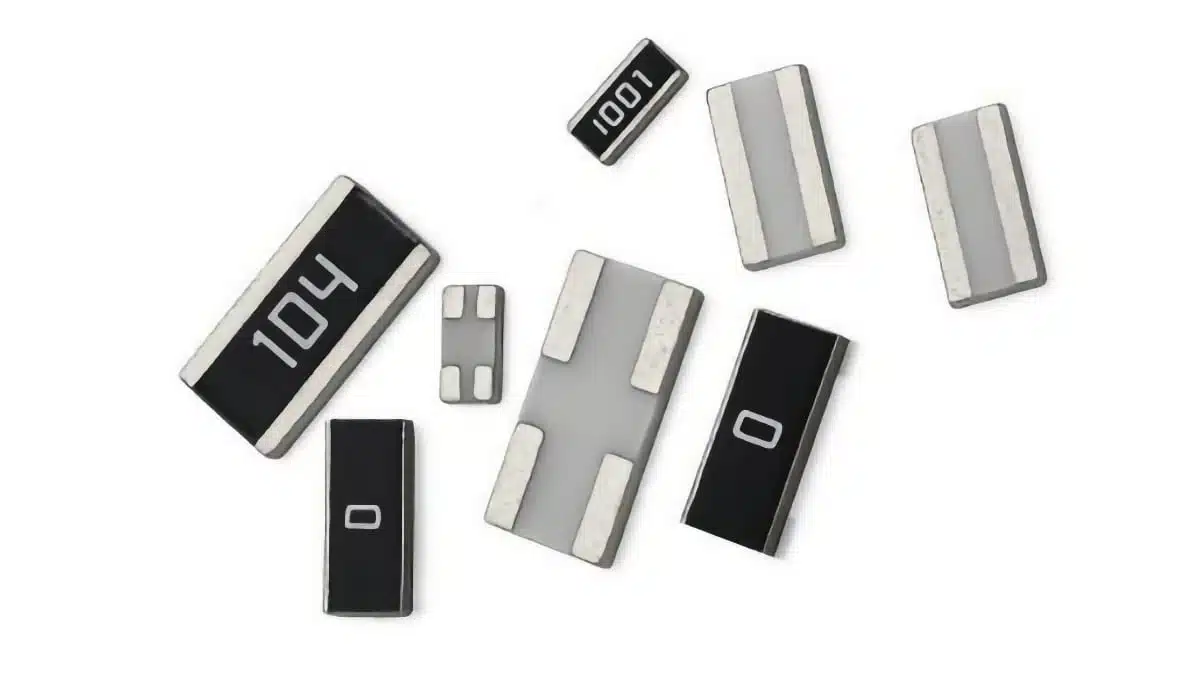
Bourns has launched four CSI2F shunt resistor families for power. The devices span 25 µΩ to 200 µΩ and target high current measurement where insertion loss, thermal behaviour and sensing accuracy must be balanced.