
Category: Electronics
-

TT Electronics has raised expectations after first-half profitability improved sharply. Cleveland is profitable again, Components has returned to profit, and the group expects 2026 adjusted operating profit to beat current market expectations.
-

The UK semiconductor sector now spans 703 active companies nationwide. Dedicated businesses generated an estimated £10.6 billion in revenue and £7.5 billion in GVA during 2025, while skills, scale-up finance, and energy costs remain barriers.
-

Infineon and Skeleton will develop denser AI power delivery systems. Their MoU covers SiC solid-state transformers and GaN peak-shaving sidecars using supercapacitor storage.
-
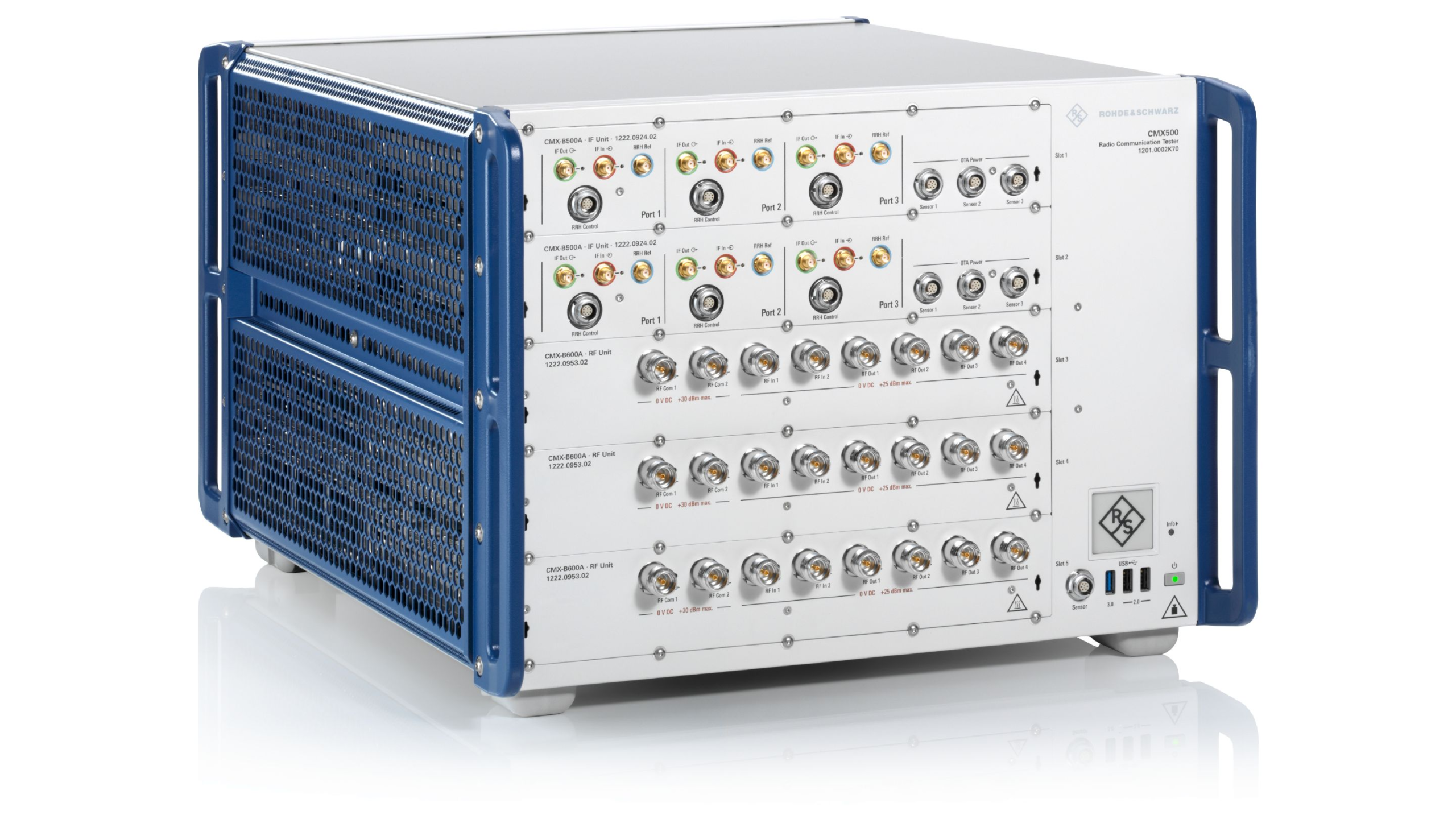
A Release 17 power-saving conformance test has passed initial verification. Rohde & Schwarz and Qualcomm Technologies have moved SSSG closer to formal 5G NR certification.
-
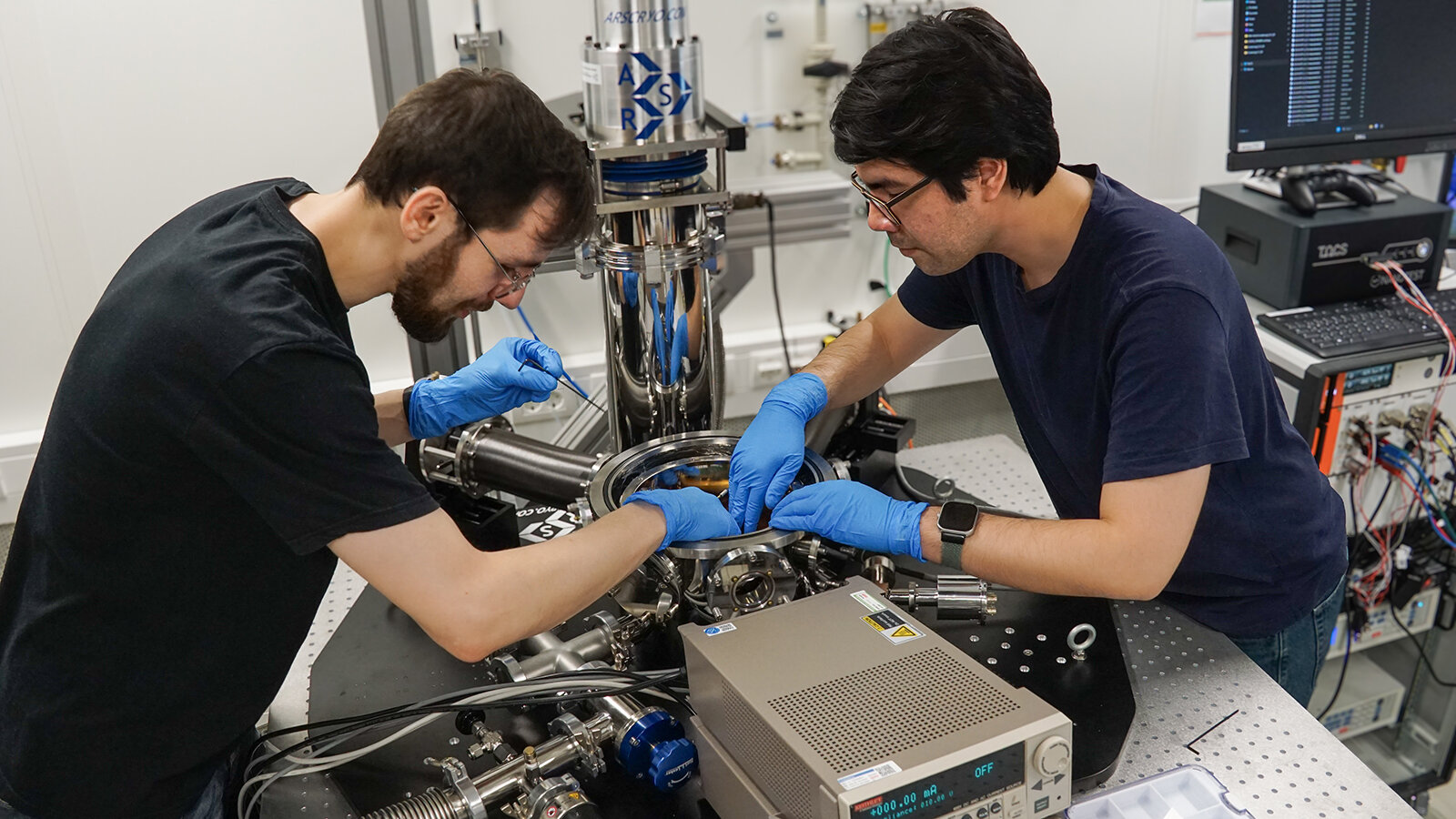
Fraunhofer has opened a cryogenic electronics laboratory in Chemnitz, Germany. CRYME extends semiconductor reliability testing to 4 K for quantum and heterogeneous integration research.
-
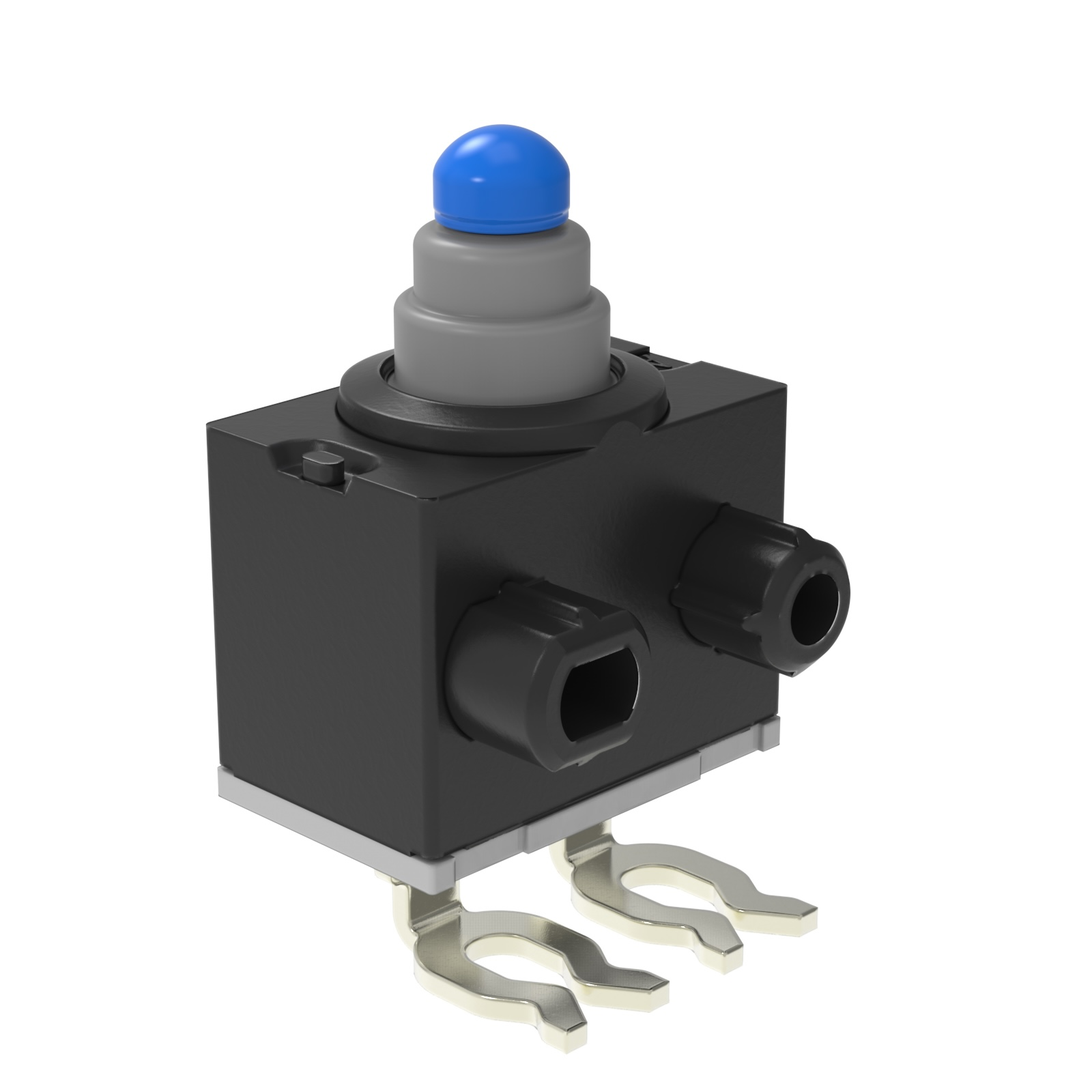
Alps Alpine has introduced a 48V-compatible automotive detector switch series. SPVQK increases inrush-current capability while retaining the existing SPVQ8 mechanical footprint.
-
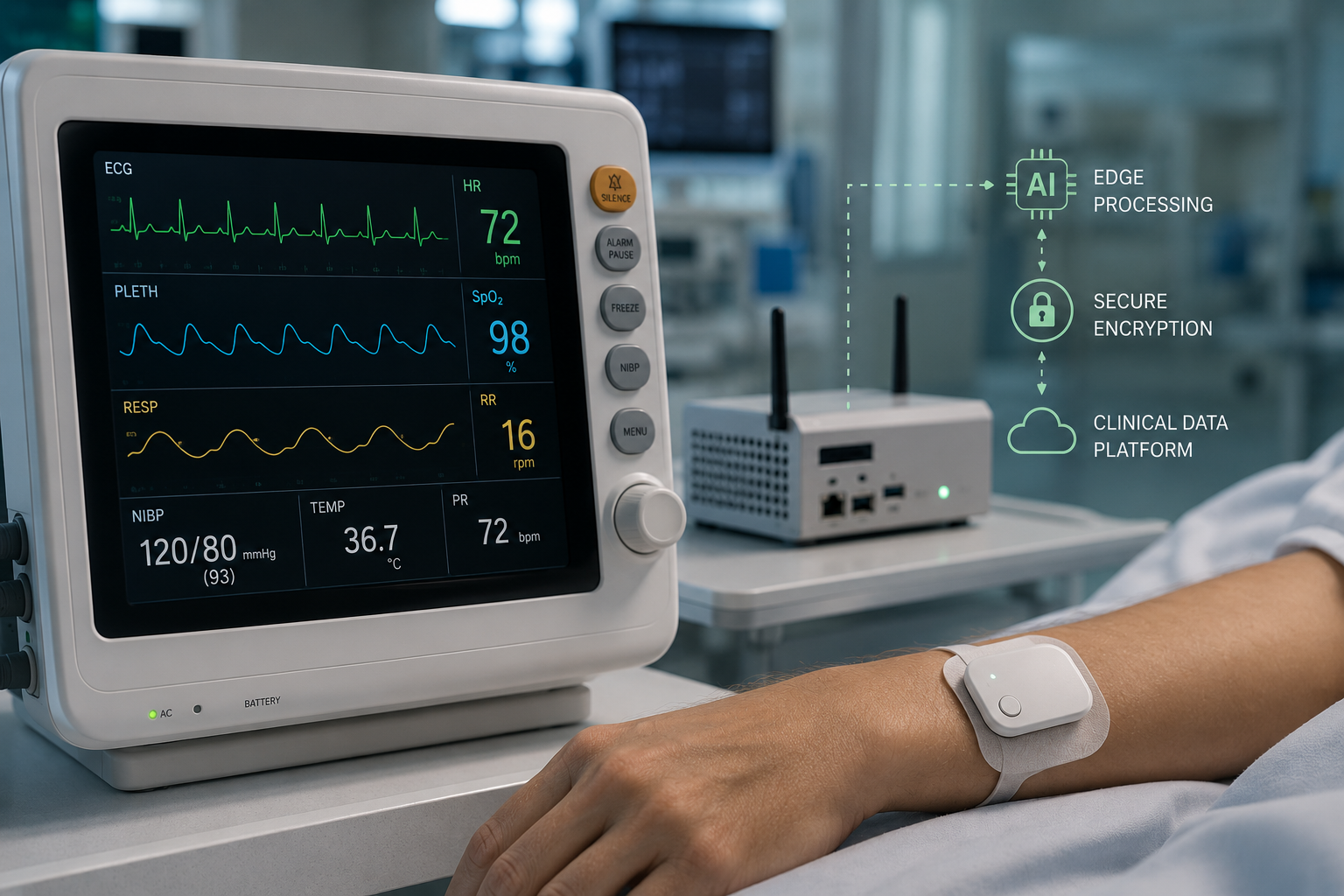
Butterfly is licensing ultrasound-on-chip technology for less-invasive neural interface research. Merge Labs will use the Poseidon family under a multi-year commercial agreement.
-
izmo Microsystems has begun production shipments of 40GHz RF packages. The QFN design uses short wire bonds and an air cavity to limit parasitic effects.
-
XTPL is seeking Taiwanese backing to deepen semiconductor market access. Shareholders will vote on issuing 198,462 shares to a specialist investment fund on 29 September.
-
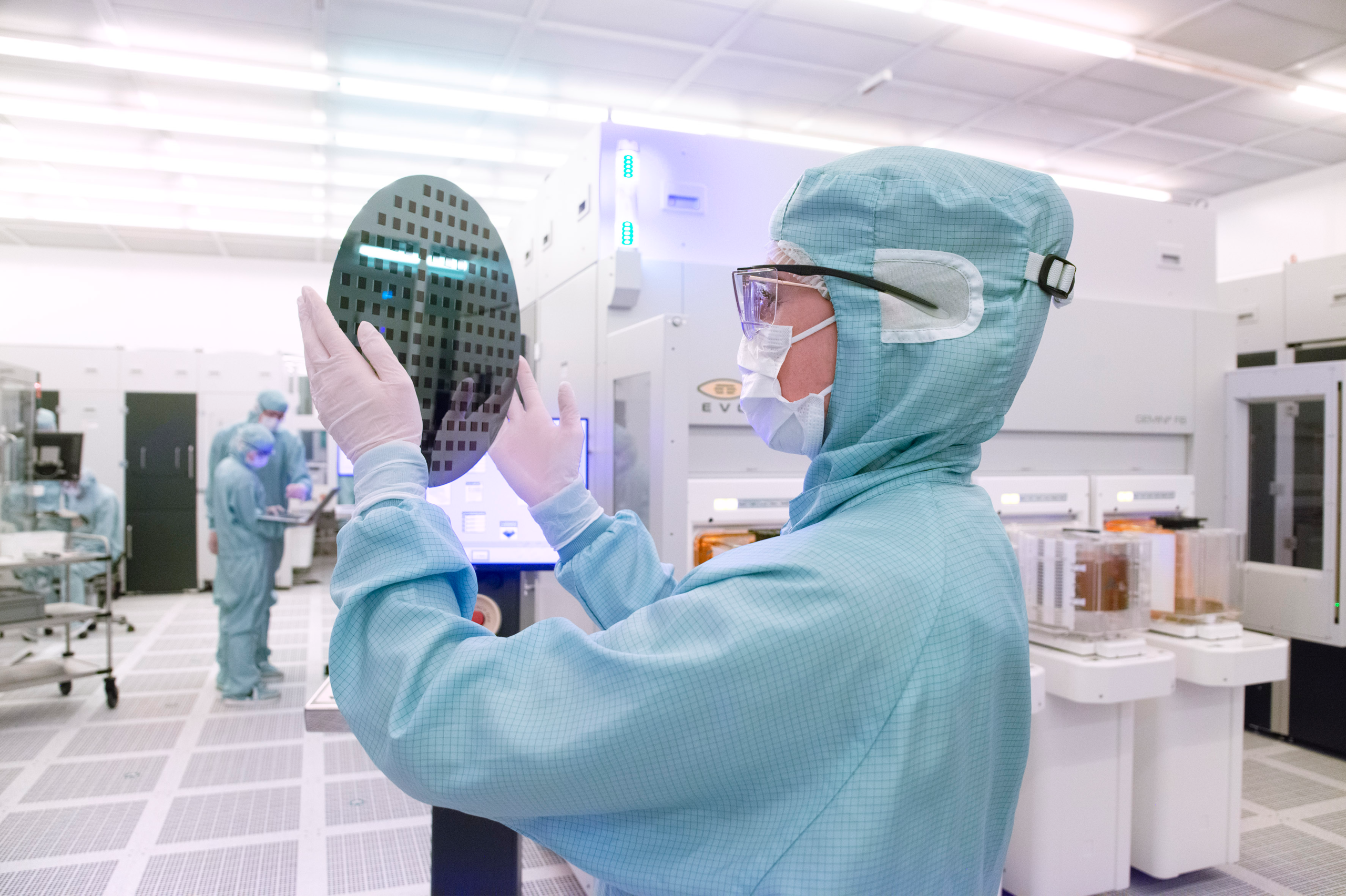
EV Group is expanding process support for co-packaged optics manufacturing. Its bonding, nanoimprint, and thin-wafer technologies target scalable photonic-electronic integration.