
Category: Products
-

Eviden is integrating electronic intelligence with secure battlefield data systems. Its portfolio connects SIGINT sensors, tactical radios, command software, AI-assisted analysis, and protected information exchange.
-
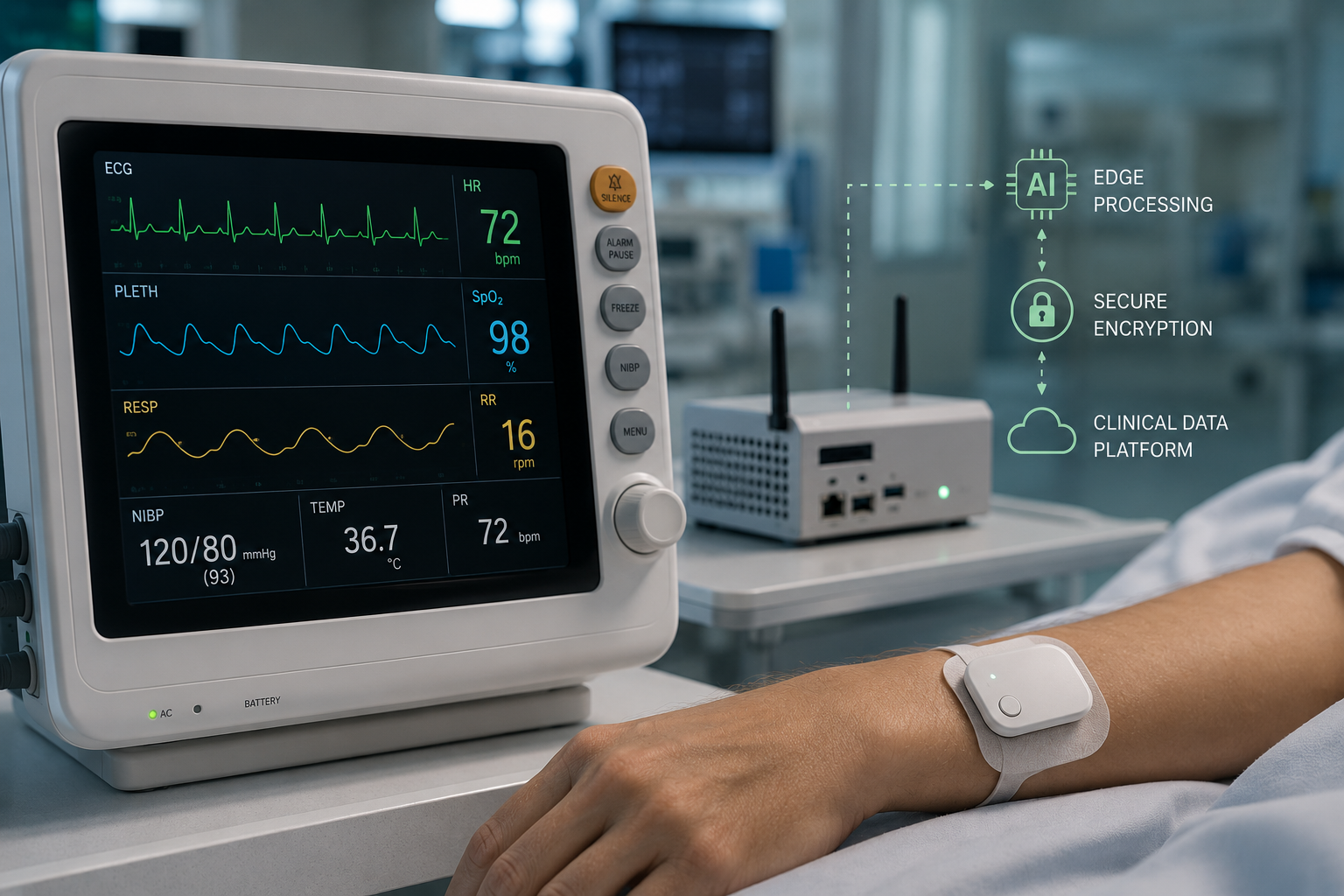
Johnson & Johnson has gained approval for dual-energy cardiac ablation. The catheter platform combines pulsed-field and radio-frequency energy with mapping, imaging, contact-force sensing, and procedural guidance.
-

Hoenle’s bluepoint platform can control twenty LED-UV curing heads centrally. The modular system supports configurable wavelengths, process sequences, safety interlocks, and high-intensity curing for electronics, optics, and medical-device production.
-
Infineon combines UWB ranging and presence sensing within one device. The AIROC TSL100 family targets secure access, industrial tracking, indoor navigation, collision avoidance, and automotive detection.
-
Nokia and NestAI are integrating deployable 5G with battlefield AI. The programme links mission planning, resilient communications, and distributed sensing for operations in contested radio environments.
-

Danisense has strengthened operations leadership for precision current sensing growth. Hjalti Pall Thorvardarson joins as chief operating officer during wider demand for high-accuracy measurement.
-
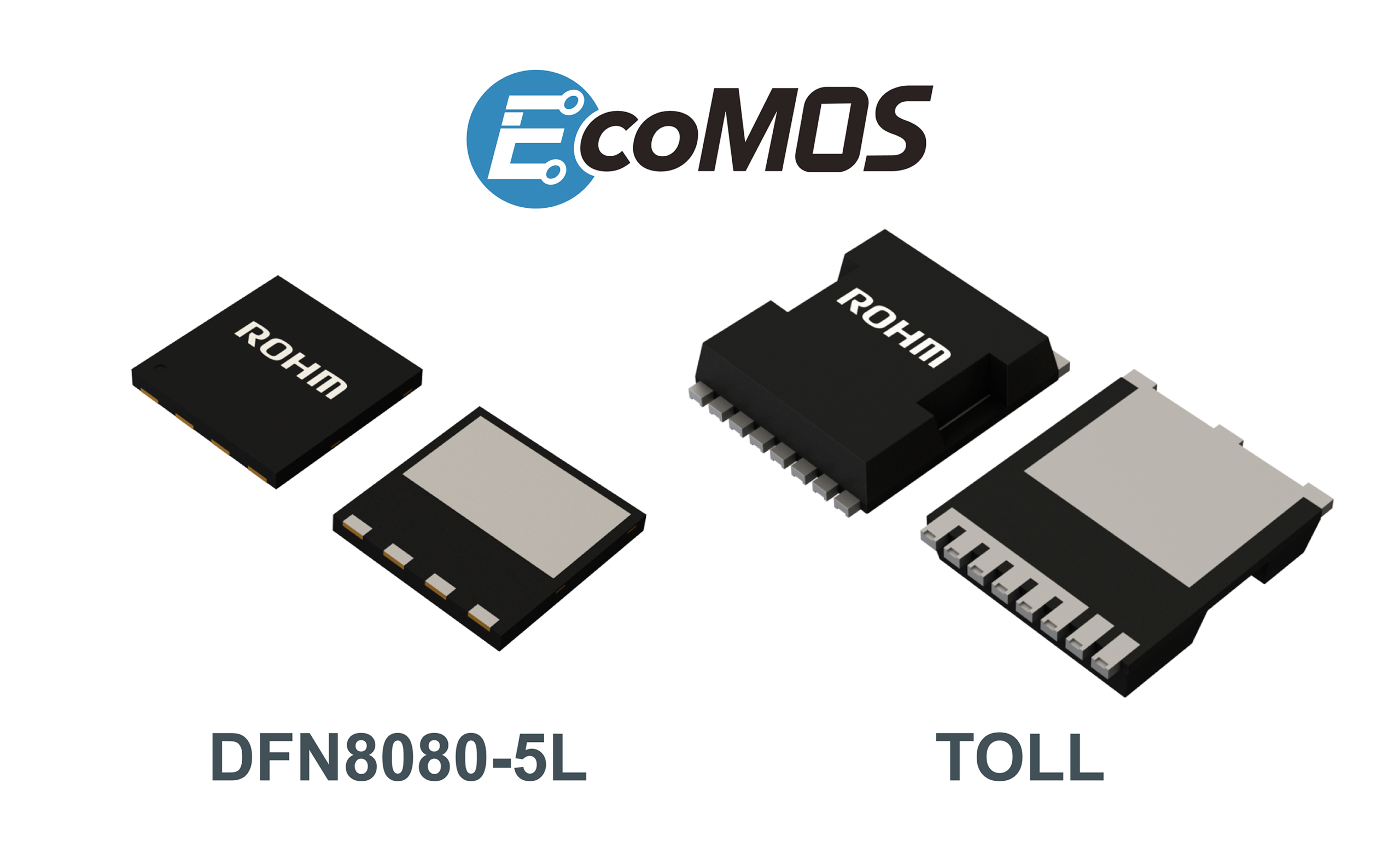
ROHM has expanded its 600V Super Junction MOSFET surface-mount portfolio. The new DFN8080-5L and TOLL package options target high-density power supplies for AI servers and industrial equipment.
-
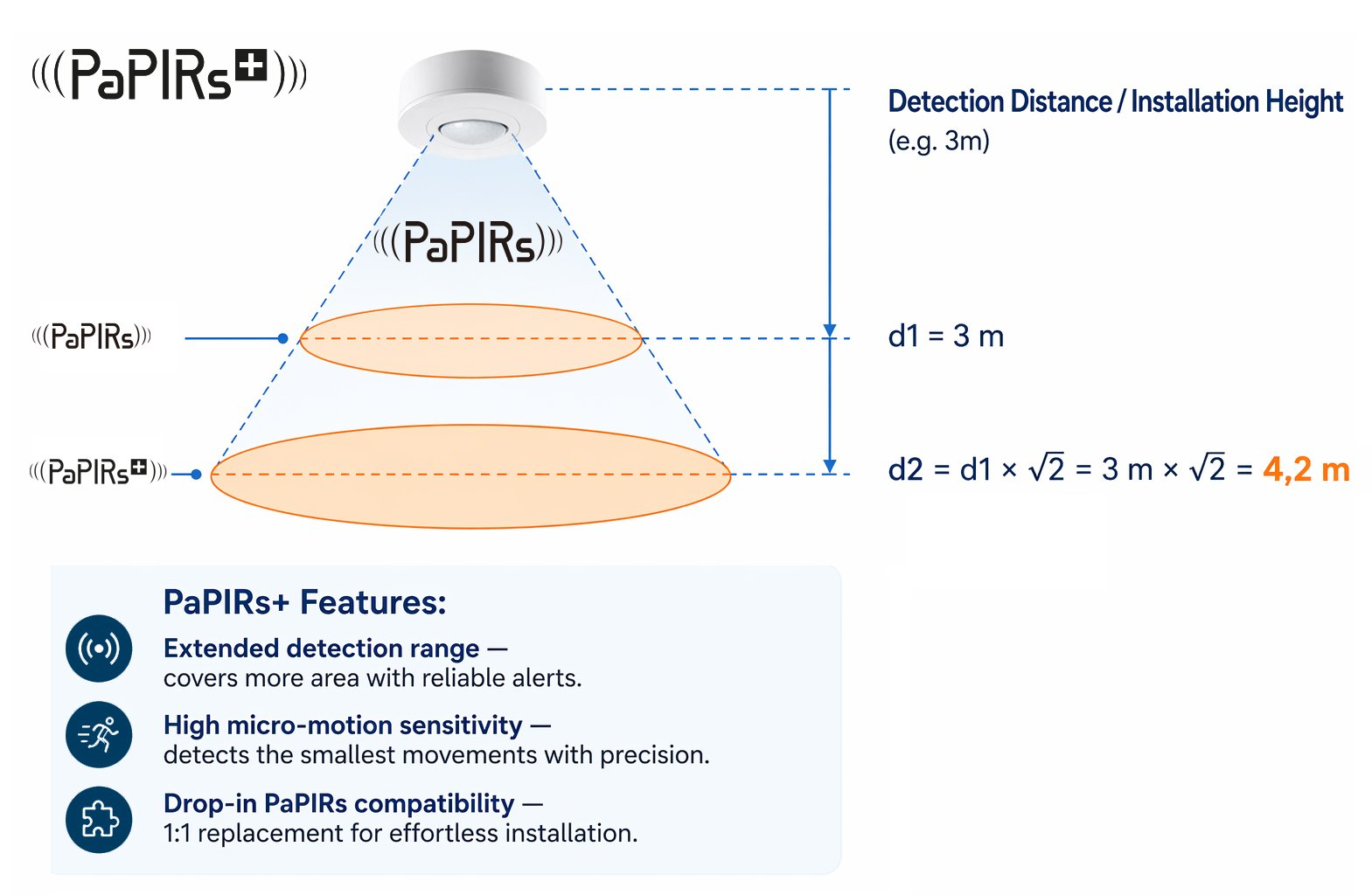
Panasonic has expanded PIR sensing options for automated building systems. PaPIRs+ targets lighting control, HVAC, smart infrastructure, and low-power presence detection.
-

Europe’s RISC-V ecosystem has entered a new leadership transition phase. Quintauris has appointed Pedro Lopez as CEO as it continues work on compatible platforms and reference architectures.
-
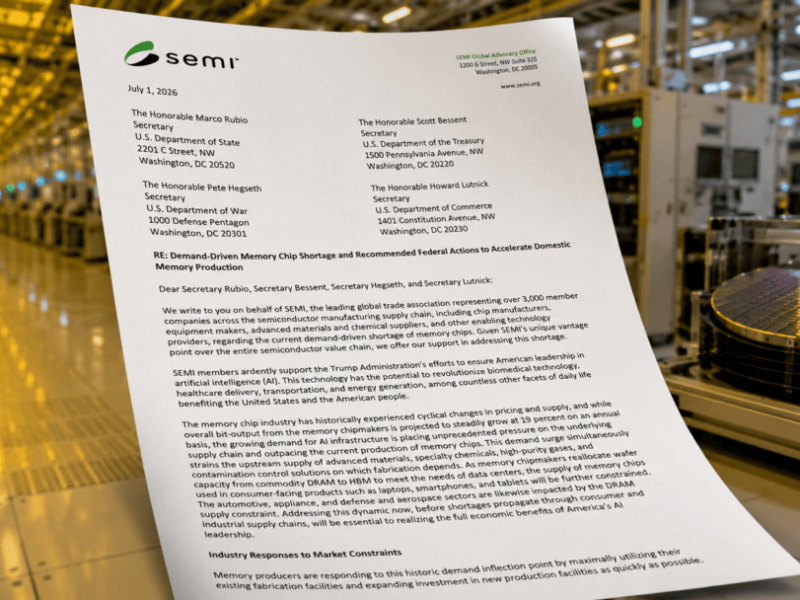
AI demand is reshaping memory allocation across semiconductor markets globally. SEMI has warned that intervention in memory markets could worsen supply pressure as HBM pulls capacity from conventional DRAM.