
Category: Electronics
-

Primemas has detailed rack-scale CXL memory for demanding PNNL workloads. The Abaco project combines high-density controller silicon, Micron DDR5, and memory pooling to exceed 100TB per rack.
-
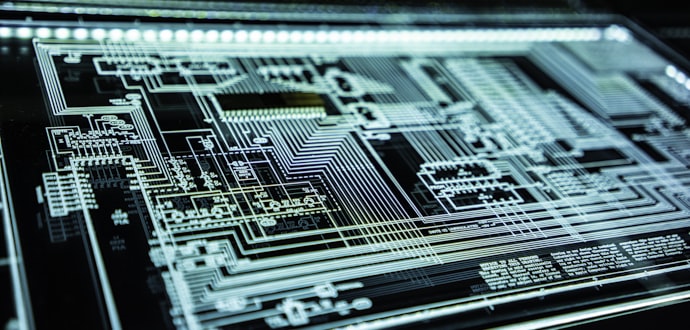
FS has launched its 800G D7070 muxponder for datacentre interconnects. The 1U platform aggregates 100GbE and 400GbE services into coherent optical channels.
-

Skyloom now has 84 optical terminals operating across low-Earth orbit. The latest installations support SDA’s interoperable Proliferated Warfighter Space Architecture communications network.
-

Quintessent has begun sampling its quantum-dot DWDM comb laser platform. The eight-wavelength source targets simpler optical interconnects for expanding AI clusters.
-
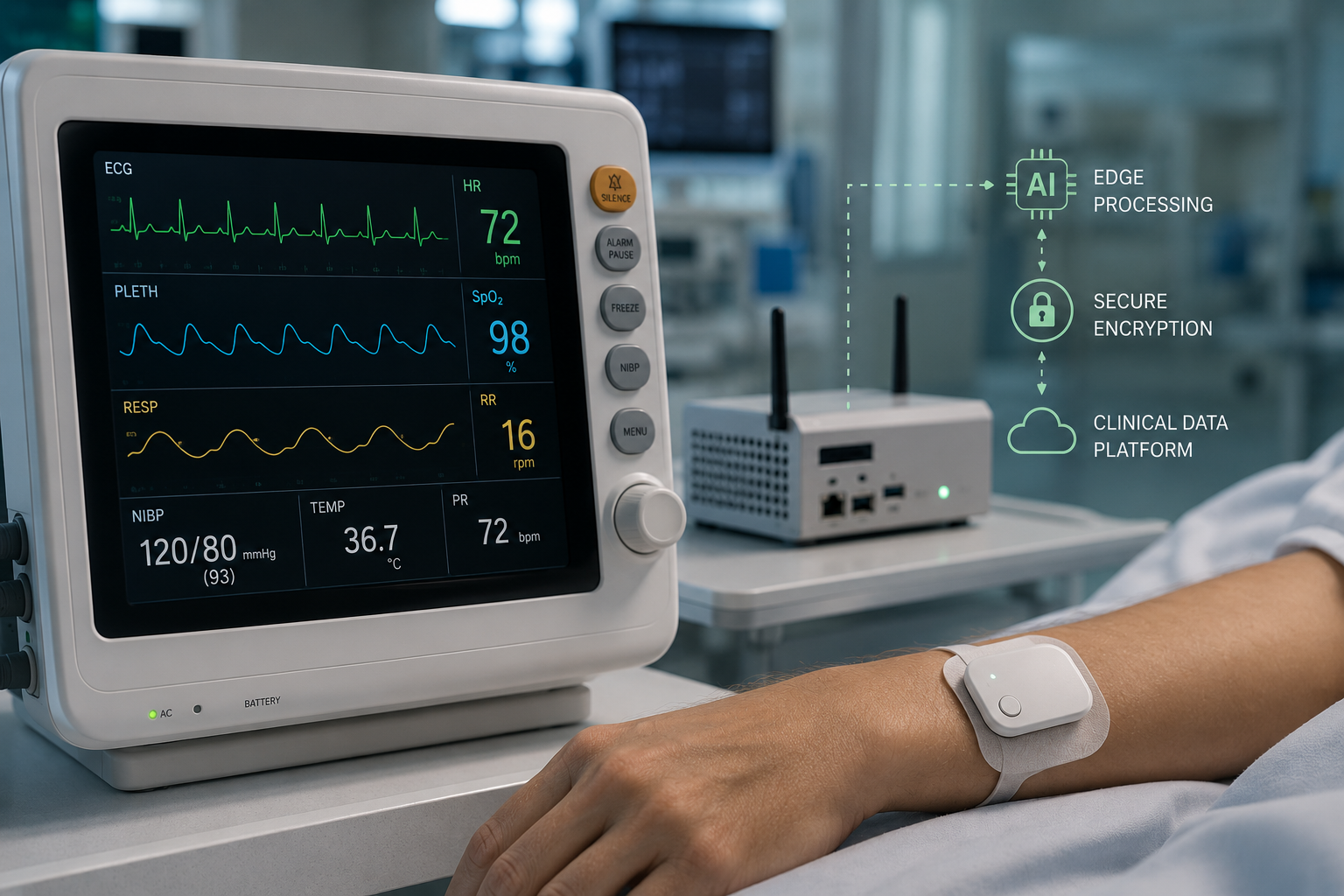
PCB Technologies has secured a major medical electronics manufacturing tender. Estimated sales of $65 million are expected across 2027 and 2028.
-

Renesas has restored Kawashiri wafer input to pre-earthquake capacity levels. The recovery follows a phased restart begun ahead of the company’s original timetable.
-
Canatu has secured another reactor order for semiconductor pellicle manufacturing. The €5m-plus programme expands FST’s capacity for carbon-nanotube membrane production.
-
Infineon is acquiring C2i to expand AI power management capabilities. The deal adds software-defined multiphase control expertise for denser processor power architectures.
-
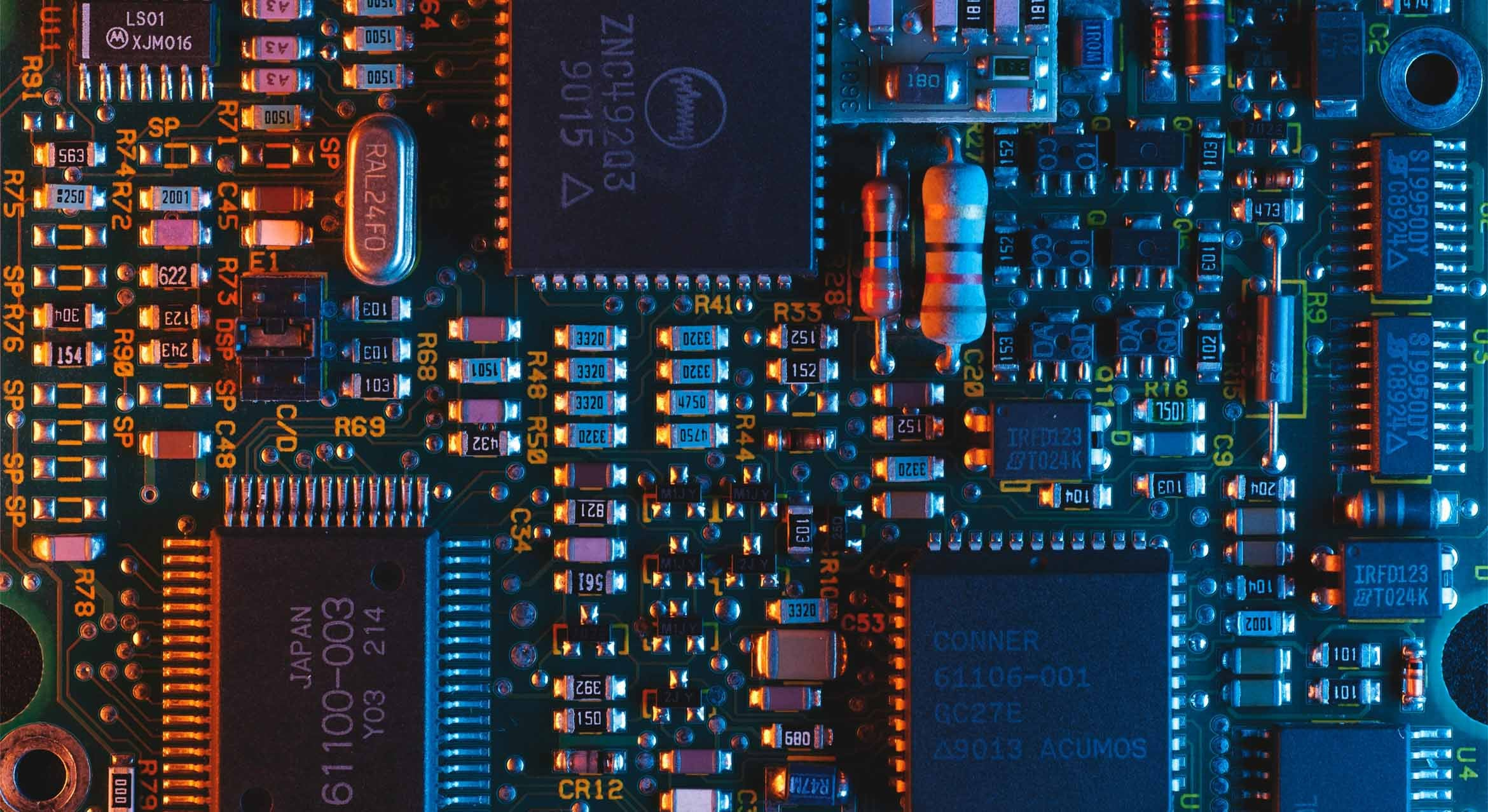
Researchers have modelled silicon-hydrogen bond failure from single electrons directly. The nonadiabatic framework connects transient antibonding states with hot-carrier degradation and long-term device reliability.
-
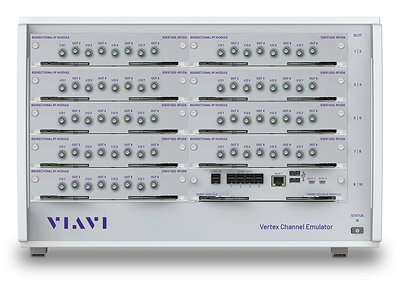
VIAVI has expanded Vertex channel emulation for emerging wireless systems. Version 6.0 adds wider bandwidth, FR3, Wi-Fi 7/8, NTN, and sensing-oriented test configurations.