
Category: Design engineering
-

Comcores is adding scalable security IP to Europe’s RIGOLETTO platform. MACsec and a RISC-V hardware root of trust will support a European automotive computing programme spanning 64 project participants.
-
Mycronic has secured another SLX order from a new customer. The $4m–$6m Asian order broadens the platform’s installed base, with delivery of the semiconductor photomask writer planned for Q1 2027.
-
Sivers and SemiNex target InP light sources for data centres. The $3.4 million programme covers co-packaged optics, DFB laser arrays, and optical amplifiers, with sampling targeted for the second half of 2027.
-

GlobalLogic opens its first Physical AI demonstration zone in Kraków. The engineering-centre deployment combines robotics, digital twins, autonomous operations, AI vision, and infrastructure monitoring for industrial and critical-system use cases.
-

UC Berkeley will join Applied Materials’ EPIC semiconductor research centre. Researchers will gain access to industry-scale process equipment intended to shorten the route between university materials research and chip manufacturing.
-
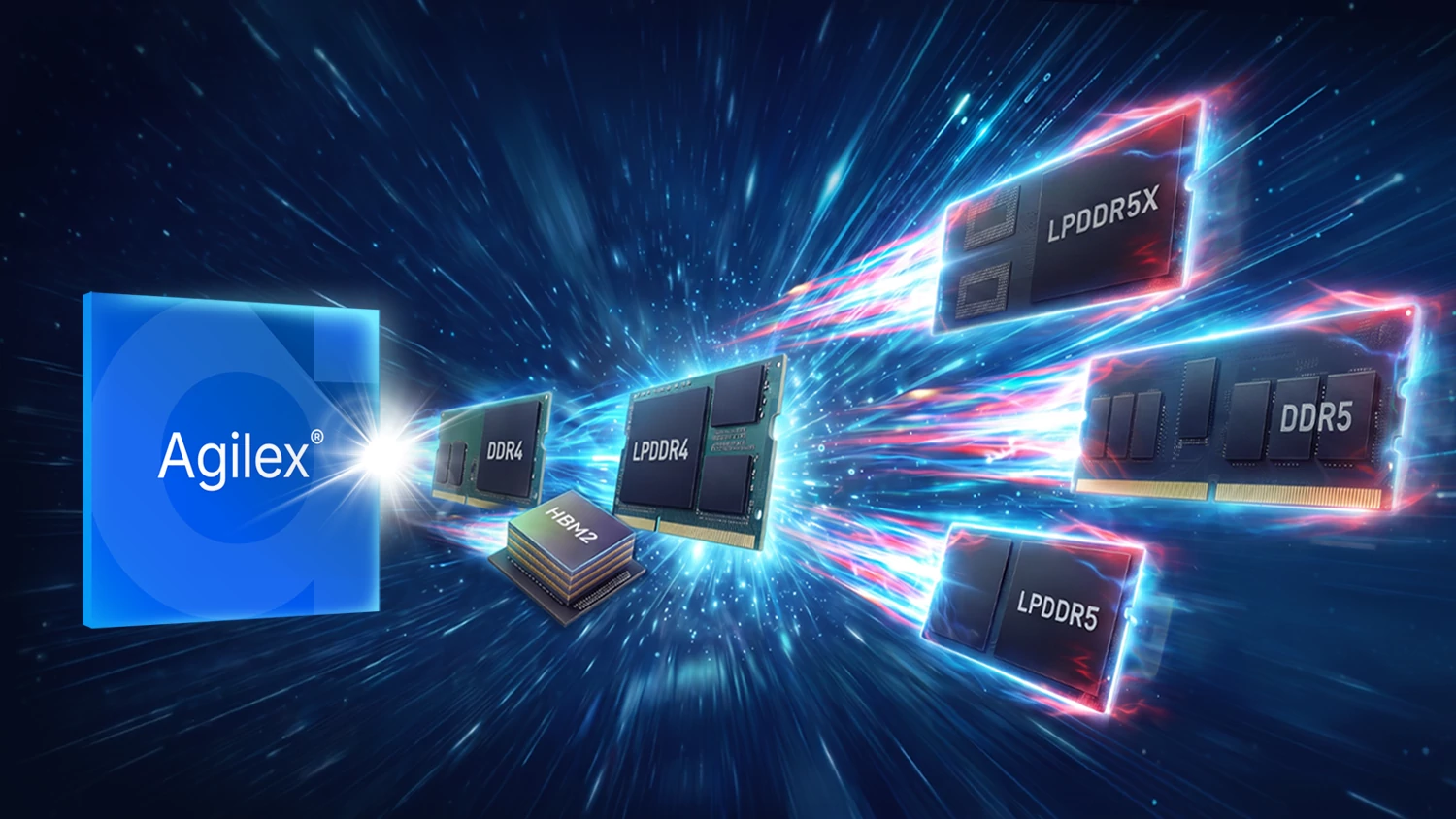
Altera has expanded Agilex memory support through Quartus 26.1.1 software. The update adds DDR5-6400 and LPDDR5-6400 on Agilex 7 M-Series devices, alongside broader low-power memory options elsewhere in the portfolio.
-
OpenLight has brought its PH18DA photonics PDK into Cadence tools. The design kit targets Tower Semiconductor’s InP-on-silicon platform, linking photonic IP, foundry process rules, and mainstream EDA workflows.
-
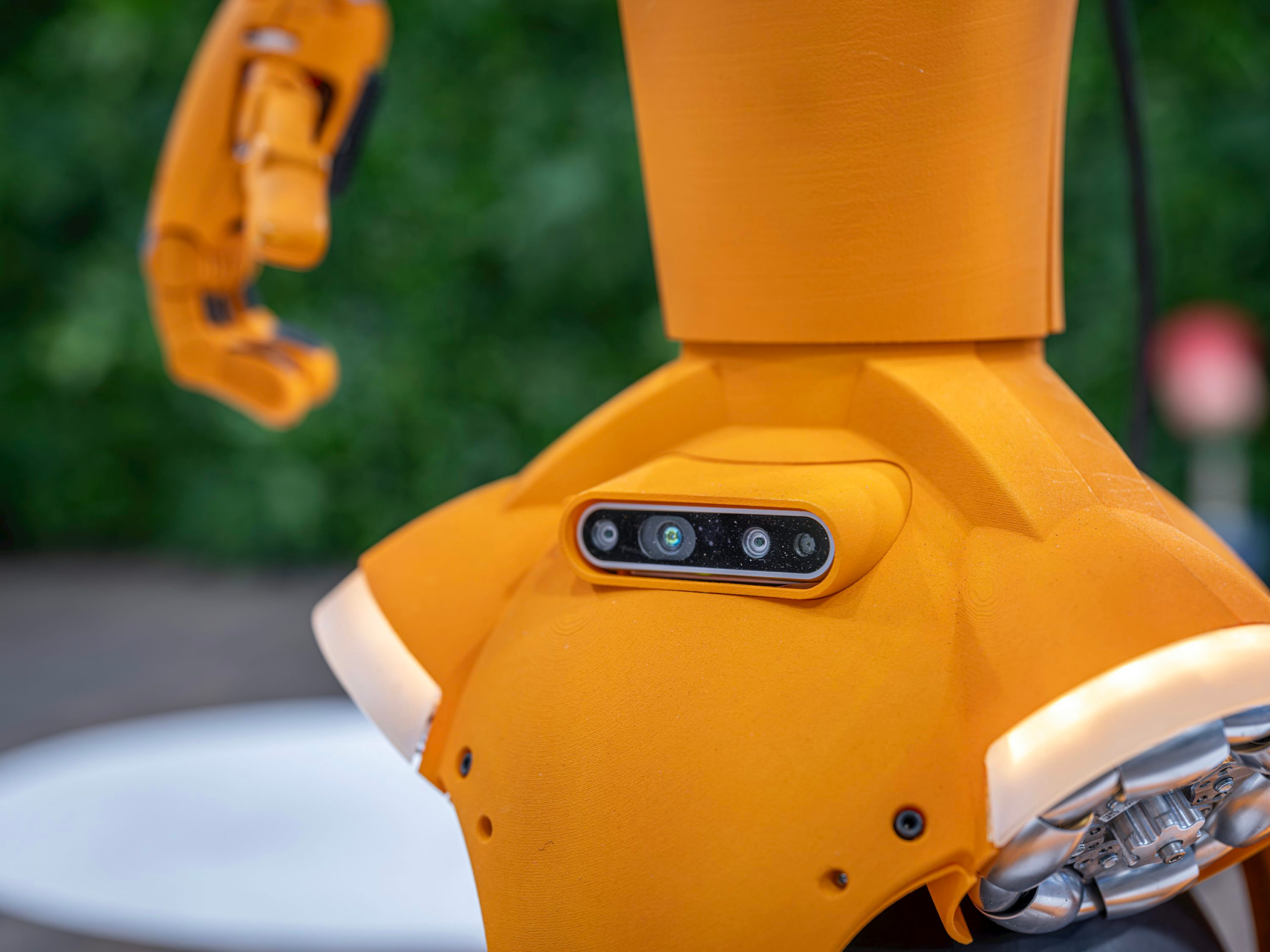
Hanyang researchers have developed a vertically integrated dual-gate tactile transistor. The architecture combines triboelectric sensing with an ITZO thin-film transistor to improve sensitivity control and sensor-array density.
-
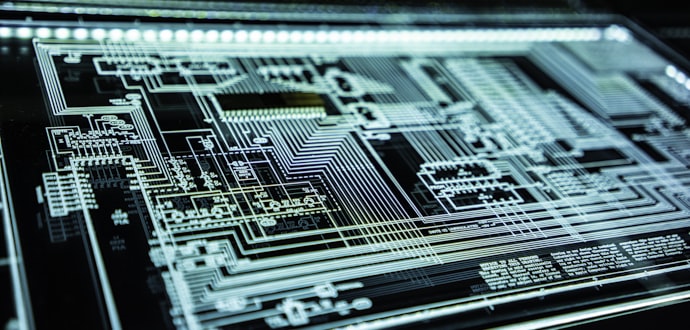
Point2 Technology has expanded Series B funding to $136 million. The company is moving RF-over-plastic-waveguide e-Tube interconnects towards commercial rack-scale AI computing deployments.
-
Onto Innovation has completed its strategic minority investment in Rigaku. The $720 million transaction deepens collaboration on X-ray and optical metrology for increasingly complex semiconductor structures.