
Category: News
-

TIER IV is opening its autonomous-driving AI chip designs publicly. The JST-backed programme combines dedicated Transformer acceleration, open compiler tooling, and formal verification for edge systems.
-
Lightmatter coalition formalises open architecture work for co-packaged optics systems. The 19-company OCP initiative is moving towards shared specifications for large, multi-vendor AI compute clusters.
-
Quanta and Quantinuum bring manufacturing engineering into quantum hardware systems. Joint development targets modular infrastructure capable of supporting future commercially deployable fault-tolerant machines.
-
Lam Research plans $3 billion expansion of semiconductor R&D laboratories. The five-year programme targets more than 50% additional experimental capacity across its global development network.
-
Ampleon adds an 800W GaN transistor for industrial RF systems. The pre-matched device covers 902–928MHz with high continuous-wave output and tolerance for severe load mismatch.
-

Racyics and Cloudberry connect chip design support with European funding. The partnership combines EuroCDP access, semiconductor design infrastructure, and private co-funding for fabless start-ups.
-

Ainos expands electronic-nose deployment across semiconductor manufacturing environments in Taiwan. The company reports 878 million chemical-sensing data points as installation of a planned 1,400-system deployment continues.
-
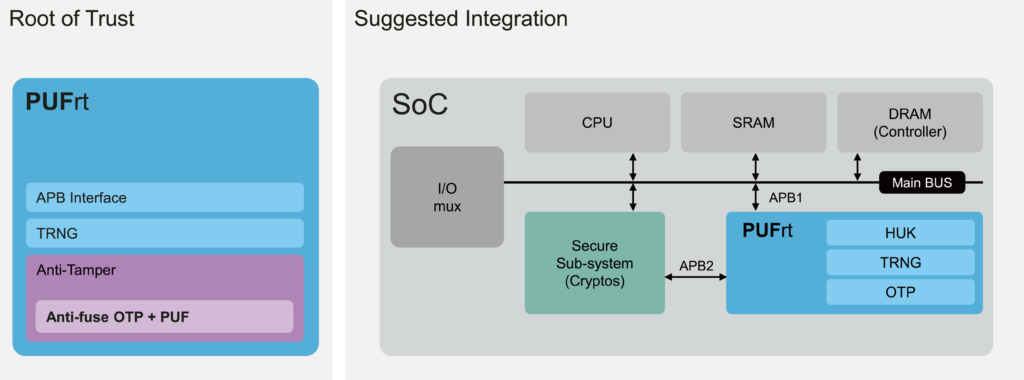
PUFsecurity is extending hardware roots of trust into AI infrastructure. Its Caliptra work links PUF-derived device secrets with protected OTP storage and hardware entropy for semiconductor implementations.
-
Ideal Power has secured new foundry supply for B-TRAN devices. Q2 milestones also include functional first silicon, an 800V circuit-breaker reference design, and further work towards AI data-centre evaluations.
-
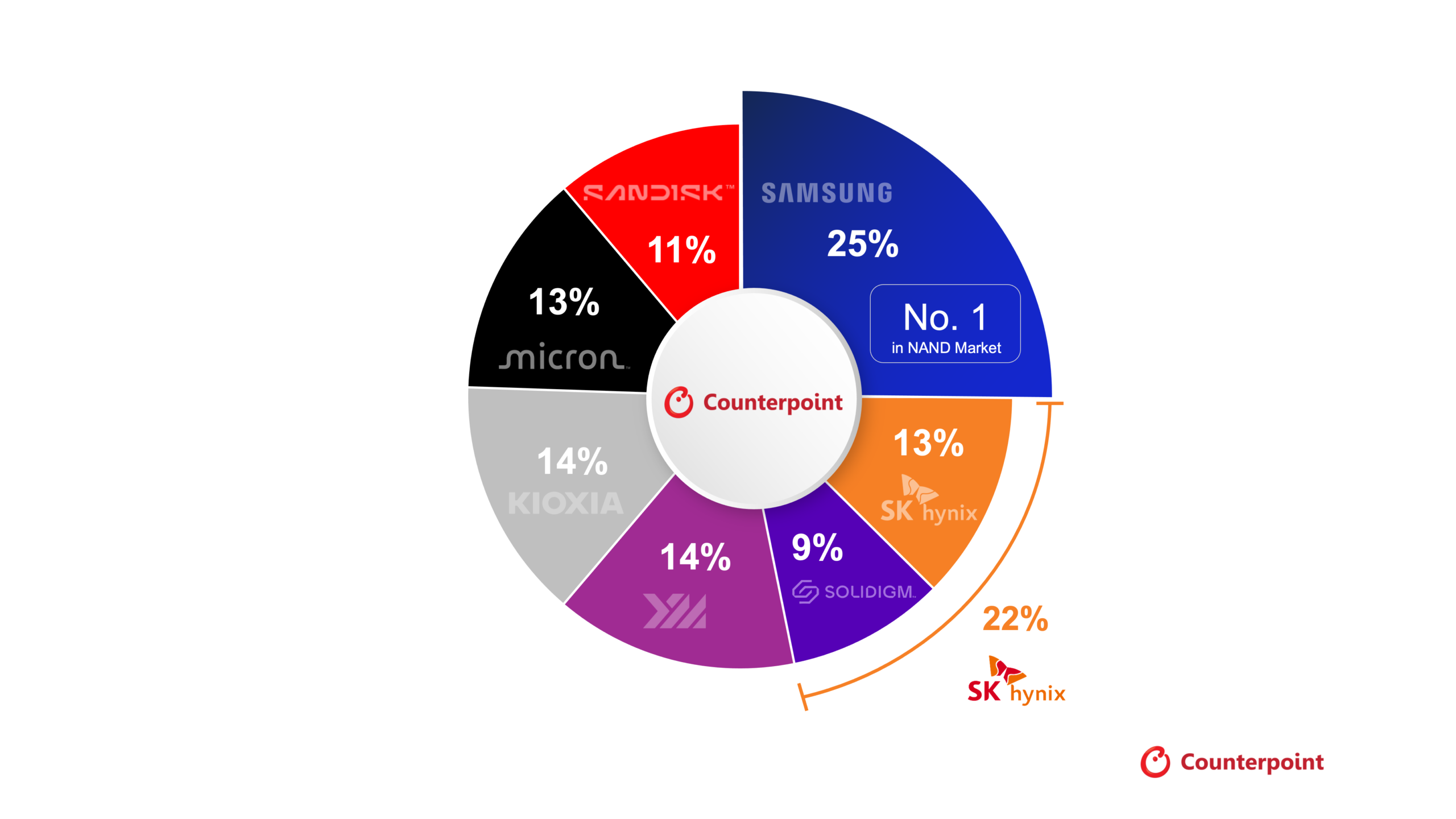
Enterprise SSDs now consume nearly half of global NAND shipments. Counterpoint says AI inference lifted their share to 48% of NAND bits in Q2, while YMTC entered the shipment top three.